Pond Edge Rock Arrangement Design Guide: Natural Beach to Bevelled
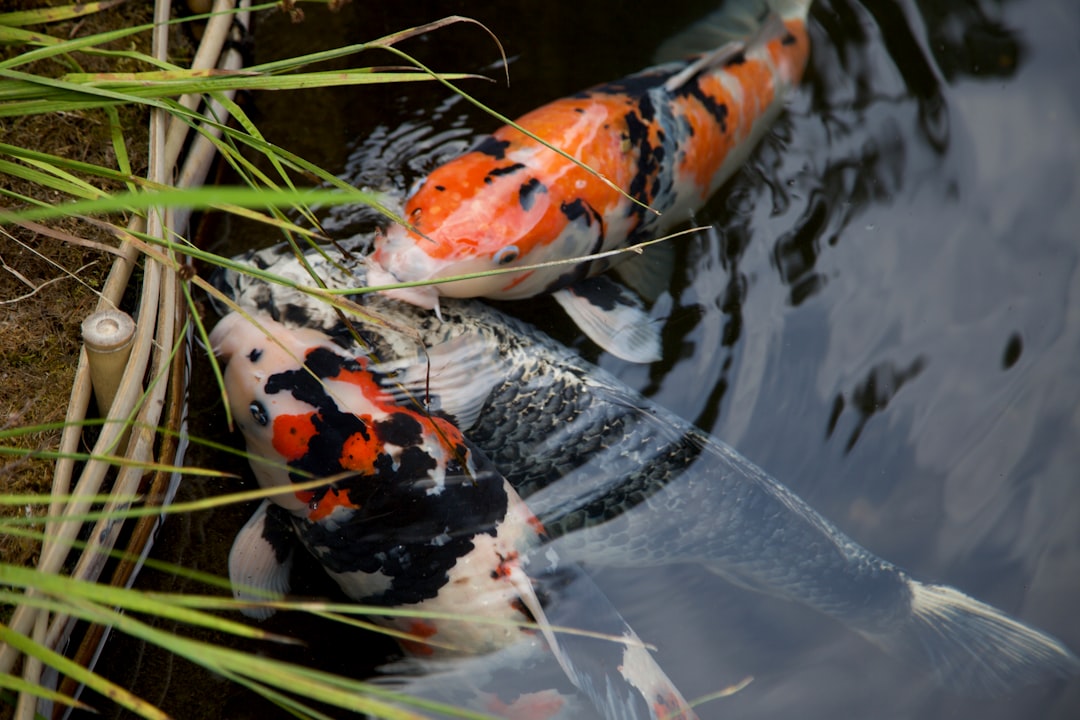
The 30cm band where pond water meets land is the single most important visual zone of any koi or goldfish pond — get the rock arrangement wrong and the build looks amateur regardless of how good the fish or the engineering are. The pond edge rock design choices below from Gensou Aquascaping at 5 Everton Park cover three field-tested edge styles, the rocks suited to each, and the rule-of-thirds composition tips that turn a heap of stones into a considered aquascape.
Style One: Natural Beach
The natural beach edge slopes gravel cobbles 5-10cm in size from the dry surrounding into the water at a 1:3 grade. The visual reading is of a stream pool rather than a built feature. Beaches need a gradual depth transition (no sudden drop-offs) and work best on at least one side of the pond rather than the entire perimeter. Cobbles of mixed sizes look more natural than uniform gravel — combine 5-10cm rounded river cobbles with occasional larger 15-20cm anchor stones.
Style Two: Bevelled Edge
The bevelled edge uses a tile or render cap angling from the rim down into the water, then transitions to cobbles below the waterline. This is the cleanest formal-to-naturalistic hybrid — geometric architecture above water, organic below. Tile caps work well at 30-45 degree bevels with anti-slip texture. Materials: dressed granite, slate or porcelain pool tile, all stocked at SGD 60-150/m² from Singapore tile suppliers.
Style Three: Planting Pocket
Planting pockets are loose rock stacks with soil-filled gaps for marginal plants — papyrus, water iris, dwarf cattail, ferns. The pocket reads as natural riparian planting and the rocks function as both edge structure and root anchorage. Build pockets with rocks 15-30cm in size, stacked in three-rock clusters with 5-8cm soil-filled gaps between. The decoration substrate range stocks aquatic soil and substrate suitable for pocket planting.
Choose Rocks That Match Your Style
Three rock classes dominate Singapore pond design. Seiryu blue-grey (volcanic, sharp edges, SGD 8-15/kg) — best for naturalistic Japanese style. Frodo brown (warm earth-tone, rounded edges, SGD 10-18/kg) — versatile and matches most planting palettes. River cobbles (smooth, mixed colour, SGD 5-12/kg) — for natural beach edges and waterline transitions. Stock by-the-kilogram from the decoration substrate range; a typical 8,000L pond uses 200-500kg total.
Rule of Thirds for Focal Placement
Imagine a 3 × 3 grid over the pond surface. Place the strongest rock or rock cluster on one of the four intersection points, never the centre. The eye reads composition more naturally when focal weight sits off-centre. A second supporting cluster at a different intersection point creates visual rhythm. Avoid symmetric placement (rock at left, mirrored rock at right) unless you are deliberately building a formal pond.
Vary Rock Size in Threes
Group rocks in odd numbers — three or five — and vary the sizes within each group. A typical good cluster: one large anchor rock (40-60cm), one medium supporting rock (25-35cm), one small accent rock (10-20cm). The Japanese aquascaping principle of fubukinoseki — rocks that look as if they emerged from underground rather than placed — depends on this size variation and partial burial.
Bury 30 Per Cent of the Rock
Rocks sitting fully exposed look like decorative items dropped on the surface. Rocks with 30 per cent of their volume below the substrate or below the water line look anchored and natural. Plan rock burial during the build, not after — retro-burying rocks once the pond is full requires draining and re-finishing.
Bedding Plane Alignment
Real boulders carry a bedding plane — the visible stratification line from sedimentary or volcanic origin. Place all rocks with bedding planes oriented in the same direction (typically horizontal or sloping downhill). Random rotation looks chaotic; consistent orientation reads as a coherent geological formation. This single discipline elevates a rock arrangement from amateur to designed.
Avoid Common Mistakes
Three patterns to skip. Volcano-cone arrangements (one rock on top of another centred above the pump) — the most amateur look possible. Soldiers (rocks of identical size in a row along the rim) — reads as a wall, not nature. Ring-of-rocks (uniform rocks circling the entire pond perimeter) — the dreaded “ring of doom” of low-budget pond design. Vary size, vary spacing, leave gaps for planting.
Edge Tools and Adhesive
Stone-on-stone friction does most of the work, but key rocks at risk of shifting (children’s play areas, narrow walkways) need polyurethane sealant for stability. Sikaflex 521 UV holds rocks for 10+ years under water and tropical sun. Skip generic silicone — it fails within months. The aquascaping tools range stocks adhesives and rock-handling tools.
Planting Around the Rocks
Rocks set the structure; plants soften it. Marginal plants in 1L baskets tucked between rocks blur the rock edges and add seasonal interest. Vertical accent (papyrus, umbrella palm, horsetail reed) goes on the back third of the composition. Low-growing fillers (creeping jenny, dwarf cattail) drape over rock edges at the front. The pond equipment range stocks aquatic plant baskets in 1L through 5L sizes.
Related Reading