
Saltwater Aquascaping for Beginners in Singapore: First Reef Layout
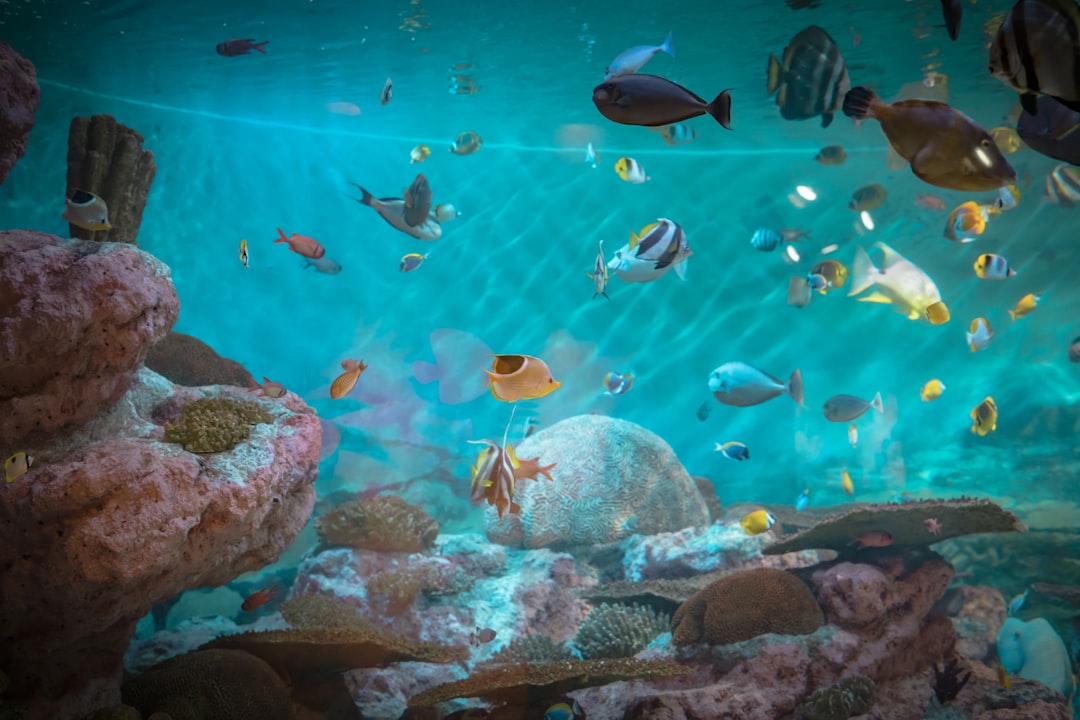
Your first reef tank is exciting and intimidating in equal measure, but a solid saltwater aquascape beginners Singapore guide makes the layout process far less daunting. At Gensou Aquascaping, we have helped hundreds of first-time marine hobbyists across Singapore turn empty glass boxes into thriving underwater landscapes over the past two decades. The principles below will give you a strong foundation — no prior aquascaping experience required.
Start With the Right Tank Size
For beginners, a 60–100 litre tank hits the sweet spot between stability and manageability. Smaller tanks amplify mistakes, while larger ones increase cost and maintenance. A 60 cm cube or a standard 90 cm tank fits comfortably on a sturdy stand in most HDB living rooms and bedrooms. Ensure your stand is level — even a slight tilt causes uneven water pressure on the silicone seams. Budget $150–$400 SGD for the tank and stand combination, depending on whether you buy new or second-hand from Carousell.
Picking Your Rock
Dry rock is the best starting point for beginners. It is pest-free, affordable ($8–$15 SGD per kg) and available at every marine shop in Singapore. Buy 1–1.5 kg per 10 litres of tank volume. Select a variety of shapes — some flat pieces for shelves, some vertical pieces for height and one or two feature pieces with natural holes or arches. Avoid uniformly round rocks that stack poorly and look unnatural.
Your First Layout: The Simple Island
An island scape is the most forgiving layout for beginners. Place your rock formation slightly off-centre, leaving open sand on all sides. Build upward rather than outward, creating a structure that fills about one-third of the tank’s footprint. Bond pieces together with reef-safe epoxy outside the tank, let it cure overnight, then place the completed formation in the tank as a single unit. This approach prevents loose rocks from shifting during water changes or fish activity.
Height, Depth and the Rule of Thirds
Imagine your tank divided into a three-by-three grid. Position the tallest point of your rock at one of the four intersections — not dead centre. Let the structure taper downward toward the opposite side. This asymmetry creates visual movement and a natural sense of flow. The highest point should reach roughly 60–70 per cent of the tank’s water height, leaving room above for coral growth and surface ripple effects from your wavemaker.
Sand Bed Basics
A 2–3 cm layer of fine aragonite sand (1–2 mm grain) provides a clean, natural base. Rinse the sand in a bucket of RO/DI water before adding it to remove dust — skip this step and your tank will be cloudy for days. Slope the sand slightly higher at the back for depth perception. Leave the sand bed undisturbed during cycling; beneficial bacteria colonise the upper layer within weeks.
Planning for Coral Placement
You will not add corals for several weeks after cycling completes, but plan their placement now. Create flat ledges on your rock structure where frag plugs can sit securely. Position shelves at different heights to offer varying light levels — high shelves for future SPS frags, mid-level platforms for LPS and lower crevices for mushrooms and zoanthids. Thinking ahead about coral placement during the aquascaping stage prevents disruptive rearrangements later.
Beginner Mistakes to Avoid
Overcrowding the tank with rock is the most common error. If you cannot see the back glass through at least two gaps in the structure, you have used too much. Placing rock flat against the back panel traps detritus and blocks water flow — leave 3–5 cm clearance. Using unsuitable rock types (limestone with sharp edges, beach-collected stone with unknown mineral content) risks water chemistry problems. Stick with aquarium-specific dry rock from a reputable supplier and you eliminate this risk entirely.
Local Resources and Next Steps
Visit the marine shops at Serangoon North Avenue 1 to hand-pick your rock pieces — seeing and handling rock in person is far better than ordering online when you are learning what shapes work. Join local aquarium communities on Facebook and Telegram where experienced Singapore reefers share their aquascaping progress and offer advice. Most importantly, take your time. Your first layout does not need to be perfect. Aquascaping is an iterative process, and every reefer’s second attempt looks dramatically better than their first.
Related Reading



