
Zoanthid Coral Care Guide: Colourful and Hardy for Beginner Reefers
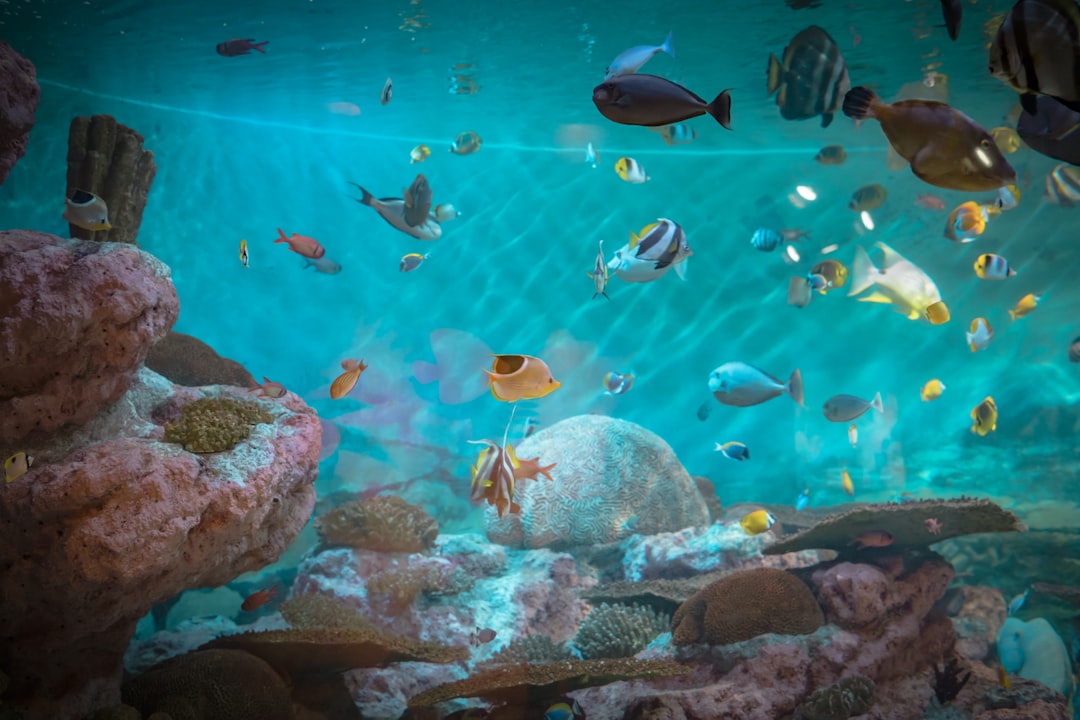
Few corals deliver the sheer variety of colour that zoanthids do, and even fewer are as forgiving to new reefers. If you have been searching for a reliable zoanthid coral care guide for beginners, you are in the right place. Here at Gensou Aquascaping Singapore, we have helped countless hobbyists across the island start their reef journey with zoas — and with good reason. These small colonial polyps tolerate a wide range of conditions, multiply steadily, and come in hundreds of named colour morphs that can turn a modest tank into a living palette.
What Makes Zoanthids So Beginner-Friendly
Zoanthids belong to the order Zoantharia and are sometimes grouped with palythoa under the casual label “zoas and palys.” They encrust rock surfaces, spreading by budding new polyps from a shared mat of tissue called coenenchyme. Because they host symbiotic zooxanthellae, they produce much of their own energy through photosynthesis and demand far less feeding than LPS or SPS corals. For a beginner operating a nano reef in an HDB flat, that low-maintenance profile is a genuine advantage.
Water Parameters for Zoanthids in Singapore
Singapore’s PUB tap water is soft and slightly acidic, which means your salt mix does most of the heavy lifting for alkalinity and calcium. Aim for a salinity of 1.024–1.026, temperature between 25–27 °C (use a chiller or fan during our warmer months), alkalinity of 7–9 dKH, and calcium around 400–440 ppm. Zoanthids are not especially sensitive to minor swings, but stability matters more than hitting a single perfect number. Test weekly with a reliable marine kit and adjust gradually.
Lighting and Placement
Moderate PAR — roughly 80–150 — suits most zoanthid varieties. Place frags on the lower to middle portions of your rockwork, where light is present but not intense enough to bleach the polyps. Under popular LED units like the AI Prime or Radion XR15, that usually means the bottom third of a 45 cm tall tank. If your zoas stay closed for days after introduction, they may be receiving too much light; move them lower and give them a week to adjust.
Flow Requirements
Gentle, indirect flow keeps detritus off the polyp mat without forcing the tentacles flat. A small wavemaker set to pulse mode works well in nano setups. You want enough movement to see the polyps sway lightly — if they are pinned sideways or refusing to open, redirect the powerhead. Stagnant water, on the other hand, encourages film algae that can smother a colony, so do not err too far in the other direction.
Feeding Zoanthids
While zoas photosynthesise effectively, occasional target feeding accelerates growth and enhances colour. Tiny portions of reef roids, powdered coral food, or even freshly hatched brine shrimp can be delivered with a turkey baster once or twice a week. Turn off your return pump for ten minutes so the food settles onto open polyps. Overfeeding fouls water quickly in small tanks, so less is more — a pinch per colony is plenty.
Common Problems and Pests
Zoanthid-eating nudibranchs are the number-one pest. These tiny, often camouflaged slugs rasp tissue from polyps overnight, leaving bald patches on the mat. Always dip new frags in a coral dip solution before adding them to your display — a ten-minute bath in Coral Rx or Bayer insecticide diluted to reef-safe concentration dislodges most hitchhikers. Spider-like zoanthid pox, visible as small white bumps, can also appear; improved flow and manual removal with tweezers usually resolve mild cases.
A word on palytoxin: palythoa species (and some zoanthids) contain palytoxin, a potent irritant. Never boil, scrub, or break live rock covered in palys without gloves and eye protection. The risk is manageable with basic precautions, but it deserves respect.
Buying Zoanthids in Singapore
Local reef shops around Serangoon North Avenue 1 and Clementi regularly stock zoa frags ranging from $10 for common morphs to well over $100 for high-end designer varieties. Carousell and local reefer forums are also good sources — just inspect photos carefully and ask about lineage. Start with affordable, proven growers like Eagle Eye, Bam Bam, or Radioactive Dragon Eye before chasing pricier names. At Gensou Aquascaping, we are always happy to advise on selecting healthy frags that suit your tank’s conditions.
Related Reading



