
Shrimp Moulting Physiology Deep Guide: Hormonal Cascade Calcium
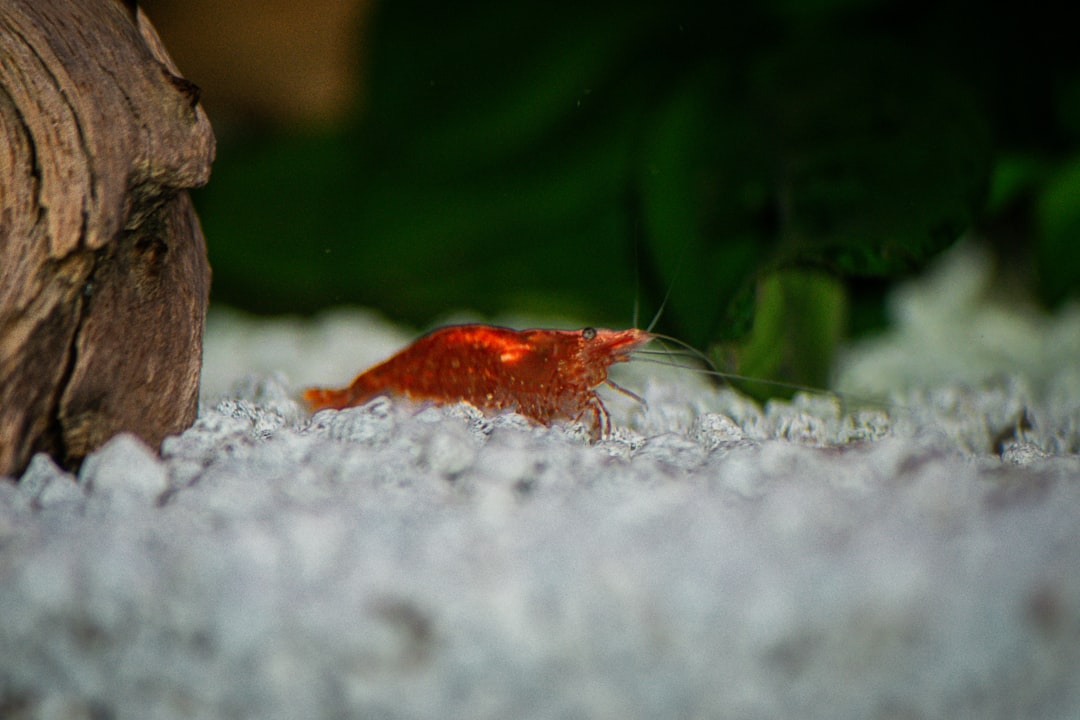
The discarded translucent ghost on the substrate every few weeks is not a dead shrimp — it is the most critical event in the animal’s life cycle, controlled by a hormonal cascade that has remained essentially unchanged for 400 million years. Understanding shrimp moulting physiology in detail explains why mineral supplementation matters, why mortality clusters around moult days, and why a sudden water change can stall the entire process. This deep dive from Gensou Aquascaping at 5 Everton Park covers the ecdysone trigger, the calcium recycling pathway, and the trace-element requirements that decide whether a shrimp emerges or dies inside its old shell.
The Ecdysone Hormone Trigger
Moulting is initiated by ecdysone, a steroid hormone produced by the Y-organ at the base of each antenna. Ecdysone secretion is itself controlled by moult-inhibiting hormone (MIH) released from the X-organ in the eyestalk — when MIH drops, ecdysone rises. The cascade typically runs on a 3-6 week cycle in adult Neocaridina and Caridina at 24-26°C, accelerating to roughly weekly cycles in juveniles still growing.
The Pre-Moult Calcium Withdrawal
Seven to ten days before the actual shed, the shrimp begins reabsorbing calcium and other minerals from the inner layer of its old exoskeleton, storing them in a tissue mass called the gastrolith located near the stomach. This salvage operation recovers 30-50 per cent of the mineral content of the shell — a critical adaptation in low-mineral environments where building a fresh shell from scratch would be impossible. The pearly white spots sometimes visible behind the head of mature females are gastroliths.
The Actual Shed Mechanism
On moult day, the shrimp absorbs water rapidly to swell its body, splits the exoskeleton at a pre-formed weak line behind the carapace, and reverses out backwards through the gap in 30-90 seconds. The new soft shell underneath was already secreted during the apolysis phase and hardens over the next 24-72 hours through calcium deposition from the gastrolith plus uptake from the surrounding water.
Calcium and KH as Limiting Factors
Singapore PUB tap is soft (GH 2-4, KH 1-2), which is too low for unaided shrimp moulting. Neocaridina davidi needs GH 6-10 with calcium dominant; Caridina cantonensis tolerates softer water (GH 4-6) but still needs adequate calcium. Without remineralisation from the aquarium additive range, soft-water shrimp tanks see chronic moult failures and slow reproduction. Bee shrimp keepers in Singapore typically remineralise RO water with bee shrimp salts to GH 6, KH 0-1.
Iodine for Successful Shed
Iodine is required for ecdysone synthesis and proper exoskeleton hardening. Crustacean nutrition research shows clear improvements in moult success at supplemental iodine concentrations of 0.06-0.1 mg/L. Tap water typically supplies inadequate iodine, especially after RO filtration. Many advanced shrimp keepers dose potassium iodide weekly at trace levels, or use commercial blends from the aquarium additive range that include iodine alongside calcium and magnesium.
Incomplete Shed Mortality
The most common moult-related death is incomplete shed — the shrimp gets stuck halfway out, often with the new exoskeleton trapped at the head or the swimmerets. Stuck shrimp are usually dead within hours because they cannot feed and the new shell hardens over the trapped old shell. Causes include insufficient calcium, sudden temperature or pH swings during the critical window, bacterial damage to the cuticle, or trauma from netting in the days before moult.
Water Change Timing Around Moult
Large water changes during the pre-moult or shed phase can trigger premature moulting through osmotic shock, leading to incomplete sheds. Experienced shrimp keepers limit changes to 10-15 per cent during normal weeks and avoid changes entirely during the 48 hours after a visible group moult. The filtration range sponge filters with low flow rates support stable conditions between water changes.
Post-Moult Vulnerability
For 24-48 hours after a moult, the new shell is soft and the shrimp is vulnerable to predation, including by tankmates of its own species. This is also when mating in Neocaridina happens — males detect pheromone release from freshly-moulted females and pursue immediately. Provide hiding cover with mosses or fine-leaved plants from the decoration and substrate range to give freshly-moulted individuals refuge.
Temperature and Moult Frequency
Higher temperatures accelerate metabolism and moult frequency. Neocaridina at 26°C moult roughly every 4-5 weeks; at 22°C the interval stretches to 6-8 weeks. Singapore ambient at 28-29°C pushes moulting to 3-4 week intervals, which means a colony of 100 produces several visible moults per day on average. Consistent old shells in the tank are a sign of a healthy actively-growing colony.
Related Reading



