Shrimp-Safe Fish: Which Species Won’t Eat Your Shrimp
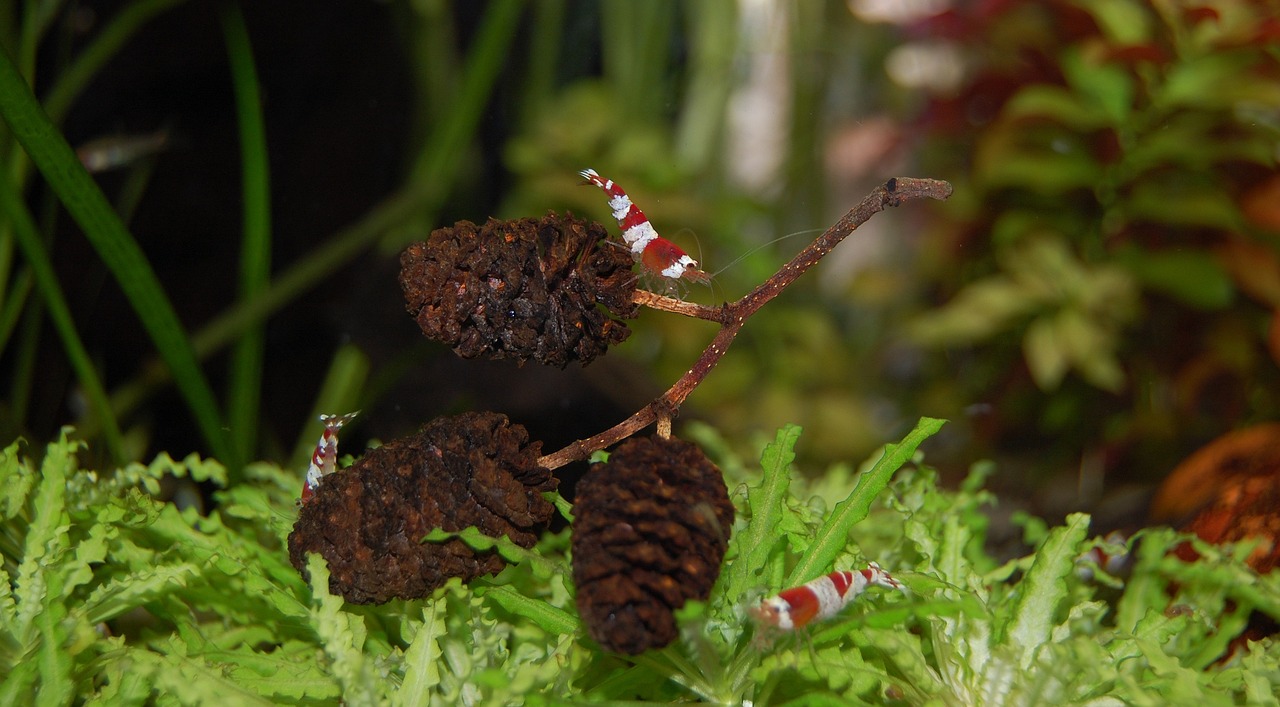
Table of Contents
- The Challenge of Keeping Fish with Shrimp
- Safe: Fish That Leave Shrimp Alone
- Risky but Usually Fine
- Unsafe: Known Shrimp Predators
- Compatibility Summary Table
- Protecting Shrimplets in a Community Tank
- Tank Setup Tips for Mixed Shrimp-Fish Tanks
- Frequently Asked Questions
Dwarf shrimp — cherry shrimp, crystal reds, blue dreams and their many colour variants — have become enormously popular in Singapore’s aquascaping community. Their vibrant colours, peaceful nature and algae-eating habits make them ideal tank inhabitants. The question nearly every shrimp keeper eventually asks is: which fish can I keep with them safely?
The honest answer is nuanced. Very few fish species will never touch a shrimp. Most fish will eat a shrimplet if given the opportunity. The goal is to choose species whose adults are too small-mouthed or too disinterested to prey on adult shrimp, and to provide enough plant cover for juveniles to survive. After twenty years of building community tanks at our shop at 5 Everton Park, we have tested countless combinations. Here is what works.
The Challenge of Keeping Fish with Shrimp
The fundamental problem is simple: shrimp are small, slow and nutritious. From a fish’s perspective, they look like food. Even “peaceful” community fish will snap up a shrimplet that drifts past their mouth. The key factors determining compatibility are:
- Mouth size — a fish cannot eat what it cannot fit in its mouth. Micro fish with tiny mouths are inherently safer than fish with large gapes.
- Temperament — some fish are active hunters; others are passive grazers that ignore moving prey.
- Hunger and territory — well-fed fish in spacious tanks are less likely to hunt shrimp than underfed fish in cramped quarters.
- Individual variation — even within the same species, some individuals are shrimp-safe and others are not. Temperament varies.
Safe: Fish That Leave Shrimp Alone
These species are highly unlikely to prey on adult dwarf shrimp. Some may still eat very young shrimplets, but adult shrimp are generally safe.
Otocinclus
The gold standard for shrimp-safe fish. Otocinclus are obligate algae grazers with tiny, sucker-like mouths designed for scraping biofilm and algae from surfaces. They have zero interest in shrimp of any size. Keep in groups of six or more. They thrive in Singapore’s warm water and are widely available at local fish shops.
Chili rasbora (Boraras brigittae)
At barely 1.5 centimetres fully grown, the chili rasbora has one of the smallest mouths in the hobby. It cannot physically eat an adult cherry shrimp. Shrimplets in dense plant cover have good survival rates alongside this species. Stunning red colouration makes them a visual complement to blue or green shrimp.
Least rasbora (Boraras urophthalmoides)
Another micro rasbora with an impossibly small mouth. Peaceful, schooling and beautifully marked. Pair with shrimp in nano tanks of 20 litres and above.
Strawberry rasbora (Boraras naevus)
Shares the same tiny proportions and peaceful disposition as its Boraras cousins. Excellent for nano shrimp tanks.
Ember tetra (Hyphessobrycon amandae)
Slightly larger than Boraras species at around 2 centimetres, but still small-mouthed and peaceful. Embers school beautifully and their warm orange colour contrasts well with planted tanks. Generally safe with adult shrimp. May eat the smallest newborn shrimplets but survival rates remain high with adequate plant cover.
Pygmy corydoras (Corydoras pygmaeus)
These tiny catfish (2–3 centimetres) are bottom-dwellers that spend their time scavenging the substrate. Their downward-facing mouths are adapted for sifting sand, not chasing shrimp. They may eat shrimp eggs or the smallest shrimplets they happen to encounter, but they do not actively hunt. Keep in groups of eight or more.
Small snails
Nerite snails, Malaysian trumpet snails, ramshorn snails and bladder snails are completely shrimp-safe. They make excellent tank mates and contribute to the cleanup crew.
Risky but Usually Fine
These species generally coexist with adult shrimp but will eat shrimplets more actively. If you want a self-sustaining shrimp colony, these fish will slow population growth. If you want shrimp as a visual element and are willing to accept some predation on juveniles, they work.
Neon tetra (Paracheirodon innesi)
Adults typically ignore adult shrimp. However, neons are larger than embers (3–4 centimetres) and have wider mouths. They will eat shrimplets readily. In a densely planted tank, enough shrimplets survive to maintain the colony, but growth will be slower than in a fish-free tank.
Cardinal tetra (Paracheirodon axelrodi)
Similar to neons in behaviour and size. Cardinals are slightly more predatory toward small invertebrates in some keepers’ experience, but the difference is marginal. Plenty of plant cover is essential.
Harlequin rasbora (Trigonostigma heteromorpha)
A larger rasbora at 4 to 5 centimetres. Harlequins are peaceful community fish and typically leave adult cherry shrimp alone. They will eat shrimplets they encounter. The larger mouth compared to Boraras species means even some juvenile shrimp are at risk. Dense planting mitigates this significantly.
Corydoras (standard species)
Corydoras aeneus, Corydoras paleatus and similar mid-size species (5–7 centimetres) are substrate scavengers that do not hunt shrimp. However, their constant sifting through the substrate can disturb shrimp and they will consume shrimplets they stumble upon. Adult shrimp are safe. A good choice if you are not counting on maximum shrimplet survival.
Endler’s livebearer (Poecilia wingei)
Smaller than guppies, Endlers are colourful and active. Males are generally fine with adult shrimp. They will eat newborn shrimplets but their small mouths limit predation on anything larger. Females are bigger and slightly more predatory. Provide plenty of moss and floating plants for shrimplet refuge.
Unsafe: Known Shrimp Predators
These species will actively hunt and eat adult shrimp. Do not house them with dwarf shrimp unless you intend the shrimp as live food.
- Angelfish — will eat adult cherry shrimp whole. Their large mouths and predatory instincts make them one of the worst choices for a shrimp tank.
- Bettas — many bettas hunt shrimp relentlessly. Some individuals coexist, but it is a gamble. In a heavily planted 40-litre tank with plenty of hiding spots, some shrimp may survive, but the betta will eat any shrimp it catches.
- Gouramis — dwarf gouramis, honey gouramis and larger gourami species all hunt shrimp. They are methodical hunters that probe plant cover looking for prey.
- Tiger barbs and other barb species — active, nippy and predatory toward invertebrates.
- Cichlids — nearly all cichlids eat shrimp. Even dwarf cichlids like Apistogramma, while sometimes kept with shrimp, will actively hunt shrimplets and often adult shrimp too.
- Pufferfish — shrimp and snails are a pufferfish’s primary diet. They will decimate any invertebrate population.
- Any fish with a mouth larger than an adult shrimp — this is the general rule. If the fish can physically fit a 2-centimetre cherry shrimp in its mouth, assume it will try eventually.
Compatibility Summary Table
| Species | Adult Size | Adult Shrimp Safe? | Shrimplet Safe? | Overall Rating |
|---|---|---|---|---|
| Otocinclus | 3–4 cm | Yes | Yes | Excellent |
| Chili rasbora | 1.5 cm | Yes | Mostly yes | Excellent |
| Ember tetra | 2 cm | Yes | Some predation | Very good |
| Pygmy corydoras | 2–3 cm | Yes | Some predation | Very good |
| Neon tetra | 3–4 cm | Usually yes | Will eat | Good |
| Harlequin rasbora | 4–5 cm | Usually yes | Will eat | Good |
| Corydoras (standard) | 5–7 cm | Yes | Will eat some | Good |
| Endler’s livebearer | 2–3 cm | Usually yes | Will eat | Good |
| Betta | 5–7 cm | Risky | Will eat | Poor |
| Angelfish | 12–15 cm | No | No | Unsafe |
| Dwarf gourami | 5–8 cm | No | No | Unsafe |
Protecting Shrimplets in a Community Tank
Even with shrimp-safe fish, shrimplet survival depends heavily on the tank environment. Dense plant cover is the single most important factor. Here is how to maximise shrimplet survival:
- Java moss — the best shrimplet sanctuary. Dense moss clumps provide hiding spots too small for any fish to enter. Drape generously over driftwood and rocks.
- Floating plants — dangling roots of Salvinia, Frogbit or Water Lettuce create a protected zone near the surface where shrimplets graze on biofilm out of reach of bottom-dwelling fish.
- Dense stem plants — thickets of Rotala, Hygrophila or Ludwigia provide mid-water cover.
- Moss walls and moss pads — attach moss to stainless-steel mesh and lean against the back glass or lay on the substrate. Creates additional safe zones.
- Cholla wood — the internal cavities of Cholla wood provide perfect shrimplet hiding spots. Available at most aquarium shops in Singapore.
In a densely planted tank with shrimp-safe fish, you can expect a self-sustaining cherry shrimp colony where births consistently outnumber predation losses. For more on keeping a thriving colony, see our cherry shrimp care guide.
Tank Setup Tips for Mixed Shrimp-Fish Tanks
- Cycle before stocking — shrimp are sensitive to ammonia and nitrite. Ensure the tank is fully cycled before adding any inhabitants.
- Add shrimp first — introduce the shrimp colony and let it establish before adding fish. This gives shrimp time to find hiding spots and begin breeding.
- Feed adequately — well-fed fish are less inclined to hunt shrimp. Do not overfeed, but ensure all inhabitants receive appropriate nutrition.
- Avoid medications with copper — copper-based medications are lethal to shrimp. If treating fish diseases, move fish to a hospital tank rather than medicating the community tank.
- Singapore water considerations — PUB tap water contains chloramine. Always use a dechlorinator. Shrimp are more sensitive to chloramine than most fish, so this step is critical.
Frequently Asked Questions
Will my shrimp colony grow if I keep fish with them?
With shrimp-safe species (otocinclus, Boraras, ember tetras), yes. The colony will grow, though slightly slower than in a shrimp-only tank due to some shrimplet predation. With fish in the “risky” category (neons, harlequins), the colony will sustain itself but growth will be slow. With unsafe species, the colony will eventually be wiped out.
Can I keep Amano shrimp with larger fish?
Amano shrimp are significantly larger than cherry shrimp (4–5 centimetres) and are safe with most community fish. Even angelfish and gouramis typically leave adult Amano shrimp alone. However, Amano shrimp do not breed in freshwater (their larvae require brackish water), so any losses are permanent.
My fish was labelled as shrimp-safe but it ate my shrimp. Why?
Individual variation matters. Within any species, some individuals are more predatory than others. Hunger, tank size, the number of hiding spots and the fish’s previous experience with shrimp all influence behaviour. If a particular fish is hunting shrimp despite being a “safe” species, remove that individual — do not assume all members of the species will behave the same way.
Are there any fish that actively protect shrimp?
No fish species protects shrimp. The best you can hope for is peaceful coexistence. The shrimp’s primary defence is always their environment — dense plant cover, hiding spots and a well-structured aquascape that provides refuge.
Building a Community Tank with Shrimp?
Getting the balance right between fish and shrimp takes planning. Visit us at 5 Everton Park to discuss your stocking plans. We carry a wide range of micro fish and dwarf shrimp, and we can advise on combinations that work based on your tank size, plant density and goals. With over twenty years of experience, we have seen which combinations thrive and which lead to empty shrimp colonies.
Get in touch or come by the shop — we love building balanced community tanks.
Related Reading