
Singapore Aquarium Fish Farms: Where the Hobby Begins Locally
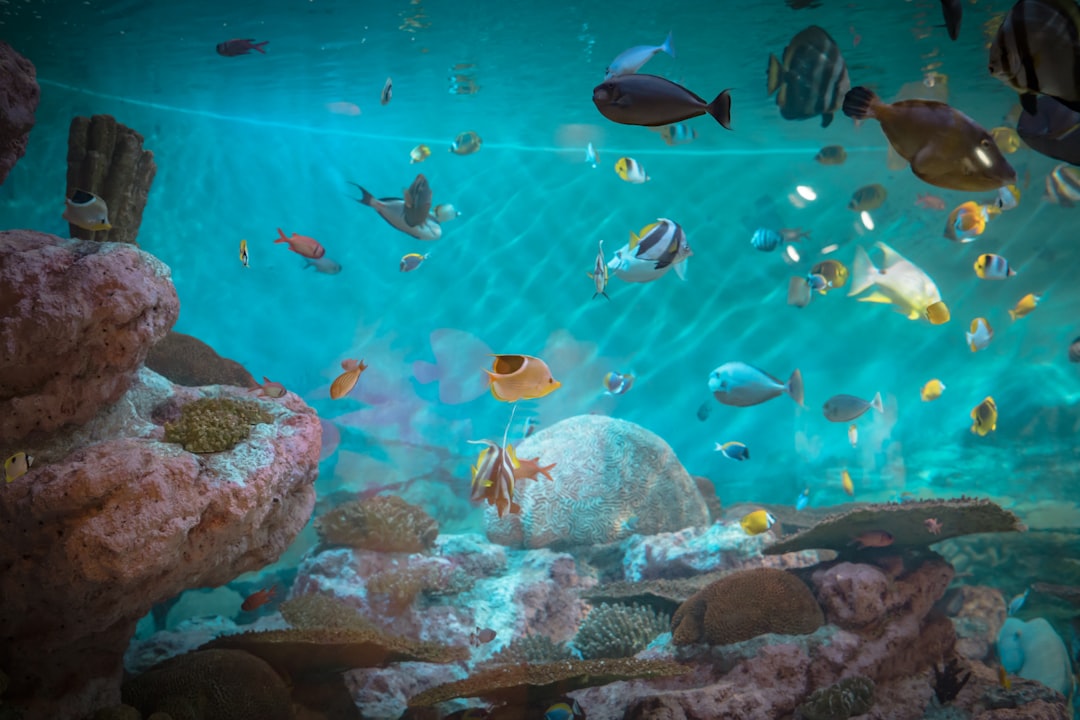
Before aquarium fish reach the display tanks at your local shop, many pass through Singapore’s network of ornamental fish farms, a crucial link in the supply chain that most hobbyists never see. This Singapore aquarium fish farms guide from Gensou Aquascaping at 5 Everton Park, Singapore explores where these farms are located, what species they breed, and how visiting them can save you money while giving you access to healthier, locally acclimatised stock. Singapore has been a global hub for ornamental fish breeding and export since the 1960s, and the industry continues quietly today.
The History of Fish Farming in Singapore
Singapore’s ornamental fish industry traces its roots to small-scale backyard breeding in the kampong era. By the 1970s and 80s, the country had become one of the world’s largest exporters of tropical aquarium fish, shipping to Europe, the United States and Japan. While land scarcity and urbanisation have reduced the number of active farms, the remaining operations are highly specialised. The National Parks Board (NParks) and the Agri-Food and Veterinary Authority oversee licensing and biosecurity standards, ensuring that farms meet health and welfare requirements for both domestic sale and export.
Where the Farms Are Located
Most ornamental fish farms in Singapore cluster along Pasir Ris Farmway and Lim Chu Kang, within the designated agricultural zones in the north and northeast. Some farms along Seletar and Neo Tiew also maintain ornamental fish operations alongside food fish production. Not all farms are open to walk-in visitors. Many operate as wholesale suppliers to retail shops and export clients. However, a growing number welcome hobbyists, particularly on weekends. Call ahead to confirm visiting hours and whether retail sales are available.
What You Can Find at Fish Farms
Farms typically specialise in specific categories. Some focus on livebearers like guppies, swordtails and mollies. Others breed cichlids, arowanas or ornamental koi. A few maintain diverse stock covering community fish, shrimp and aquatic plants. Prices at farm gates are generally 20 to 40 per cent lower than retail shops, particularly for bulk purchases. A bag of 20 neon tetras might cost $8 at a farm versus $15 at a shop. Quality can be excellent, as you are purchasing directly from the breeder before the stress of multiple transport stages.
Visiting Tips for Hobbyists
Wear comfortable closed-toe shoes, as farm environments are often wet and uneven. Bring your own transport containers, such as styrofoam boxes and battery-powered aerators, if buying in quantity. Cash is preferred at most farms, though some accept PayNow. Arrive early in the morning when fish are calmest and staff have more time to help you select stock. Ask questions about the fish’s diet, breeding history and water parameters. Farm operators are typically passionate hobbyists themselves and share knowledge generously when approached respectfully.
Benefits of Locally Bred Stock
Fish bred in Singapore are already acclimatised to local water conditions and tropical temperatures. They have not endured the stress of international shipping, extended quarantine or dramatic water parameter changes. This translates to higher survival rates and faster settling when introduced to your home tank. Locally bred strains of common species, such as Singapore-bred fancy guppies or locally raised Betta splendens, often display robust health and vibrant colour that rivals or surpasses imported stock.
Speciality Farms Worth Knowing
Several farms have earned strong reputations within the local hobby. Qian Hu Corporation, publicly listed and headquartered in Neo Tiew, operates one of the largest ornamental fish operations in Asia, with a retail arm open to hobbyists. Smaller family-run farms along Pasir Ris Farmway specialise in specific niches, from high-grade discus to rare plecostomus varieties. The arowana breeding farms, producing CITES-certified Scleropages formosus, represent the premium end of the industry, with individual fish valued in the thousands of dollars.
The Future of Fish Farming in Singapore
Land constraints continue to challenge the industry. Several farm clusters have been redeveloped for housing and infrastructure over the past two decades, reducing available agricultural land. The government’s 30-by-30 food security initiative focuses primarily on food fish and vegetables, though ornamental aquaculture benefits indirectly from continued zoning protection of farmland areas. Indoor recirculating aquaculture systems (RAS) may offer a path forward, allowing intensive fish breeding in smaller footprints. Some progressive farms are already adopting these technologies.
Supporting the Local Industry
Buying from Singapore’s fish farms supports local livelihoods and reduces the carbon footprint associated with importing fish from overseas. It also gives you a direct connection to the source of your livestock, with the ability to return for advice and future purchases. Whether you are stocking a new community tank or searching for a specific breeding pair, a visit to Singapore’s ornamental fish farms offers an experience that no retail shop can replicate.
Related Reading
- AGA Aquascaping Contest Guide: Categories, Rules and Judging Criteria
- Best All-in-One Reef Tanks Compared: Fluval, Red Sea and Waterbox
- Aquarium and Cats: How to Keep Both Safely in Your Home
- Aquarium as Home Décor: Placement, Styles and Design Tips
- Aquarium Automation on a Budget: DIY Smart Tank With Arduino and ESP32



