
SPS Coral Coloration Chemistry Guide: Lean Nutrients and Light
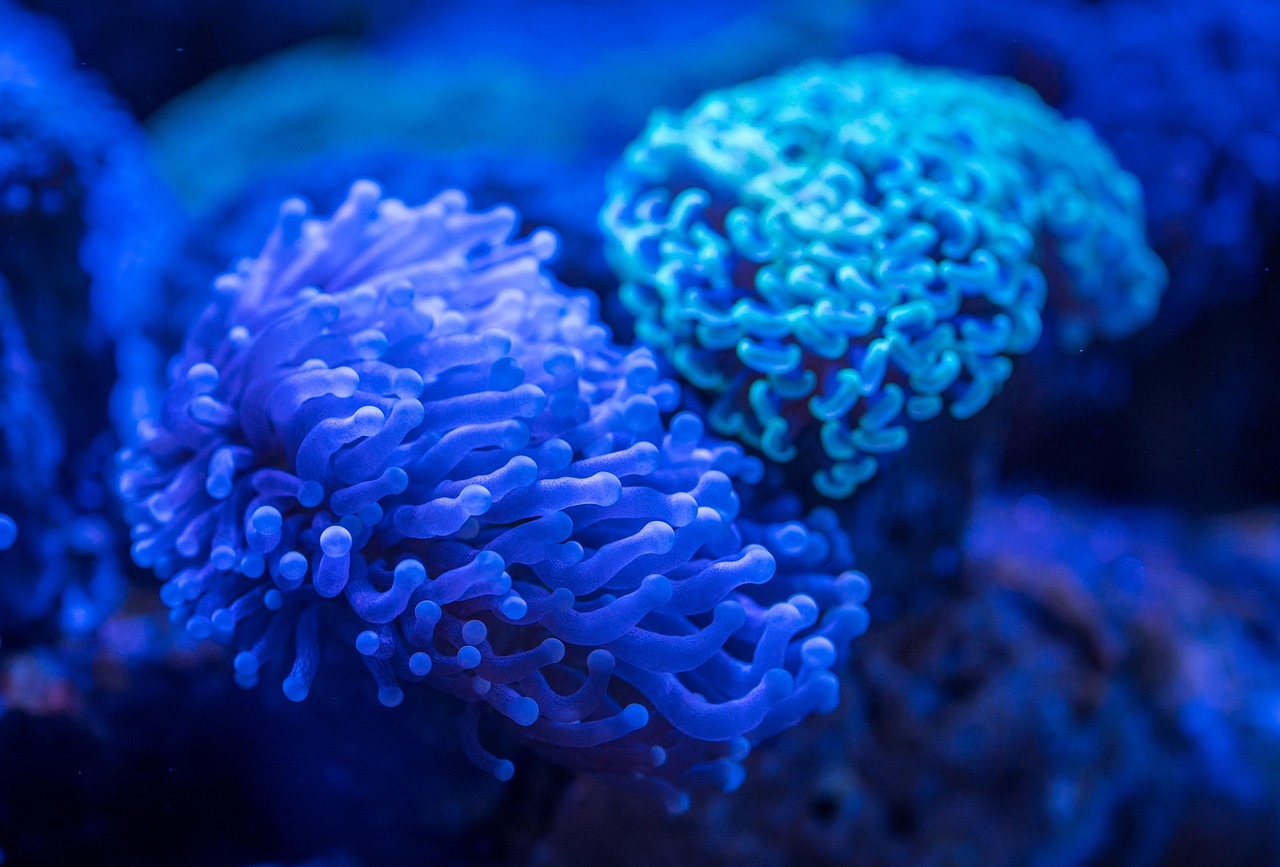
The difference between a brown stag and an electric-blue one is rarely genetics. It is almost always chemistry plus light, dialled in with unusual patience. This sps coral coloration chemistry guide from Gensou Aquascaping at 5 Everton Park breaks down the nutrient ratios, trace elements and PAR thresholds that turn pigment proteins on. Singapore reefers running acropora and montipora through our warm, nutrient-poor RO-sourced tanks face a specific tuning challenge, and this is where it gets solved.
The Pigment Triangle
SPS colour comes from three pigment classes. Zooxanthellae produce brown chlorophyll. Coral host tissue produces fluorescent proteins (GFP, RFP, cyan FPs) and non-fluorescent chromoproteins (pocilloporins, blues and purples). The visible colour is a blend: low zoox density reveals host pigment; high zoox density masks everything under brown.
Your job is to keep zoox at the minimum density that still feeds the coral, while supplying the conditions that express host pigments.
Nitrogen and Phosphorus Ratios
Lean, not zero. Target nitrate 1 to 5 ppm and phosphate 0.02 to 0.08 ppm. The ratio matters more than absolutes. An N:P ratio near 100:1 by mass keeps zoox density low while avoiding dinoflagellate outbreaks that plague Singapore reefers with chronic ultra-low-nutrient tanks.
If your phosphate management runs too aggressive, tissue pales and RTN risk rises. Pull GFO offline and let phosphate rebound to 0.03 ppm before re-engaging.
Light: PAR and Spectrum
Pocilloporin expression is UV and violet-driven. Peak at 400 to 420 nm triggers strongest blue-purple response. Running LED channels with 410 nm violet at 30 to 40 percent intensity for the full photoperiod pays off within six weeks.
Aim for 250 to 400 PAR on acropora tips and 150 to 250 on bodies. Acclimate new frags over 14 days from 100 PAR upward. Ramp lighting over 2 hours at dawn and dusk to prevent photo-shock, especially in our equatorial day-length rhythm.
Alkalinity Stability
Alkalinity between 7.5 and 8.5 dKH, held within 0.2 dKH variation week over week, beats any specific target. Swings pale tips faster than any other parameter mistake. Use a calibrated two-part dosing system and log weekly.
Growth-chasing with alk above 9 dKH in low-nutrient systems is the most common Singapore STN trigger. Walk back first.
Trace Elements That Drive Colour
Potassium at 380 to 420 ppm deepens reds and pinks. Iodine at 0.06 ppm enhances yellows and browns (useful for montipora digitata). Iron, at trace amounts only, supports chlorophyll for symbiont balance. Manganese and zinc support fluorescent protein synthesis.
Dose trace elements only with ICP guidance. Blind dosing is how tanks crash. The trace element dosing guide covers sensible intervals.
Feeding Corals Directly
Amino acid dosing (0.1 ml per 100 litres twice weekly) feeds host tissue without spiking zoox. Reef roids and oyster eggs target polyp capture. Target-feed only the colonies that show polyp extension; blasting the whole tank wastes food and spikes phosphate.
Flow and Gas Exchange
Turbulent flow above 20 times tank turnover scrubs boundary layers that trap waste against tissue. Dead-spot browning resolves within two weeks once flow is redirected. Gyre pumps or crossed wavemakers outperform single powerheads for this effect.
Stability Above Perfection
A coral held at 7.8 dKH, 420 ppm calcium, 1380 ppm magnesium with zero drift for six months will colour up better than one chased through ideal values. Log parameters weekly and change one variable at a time.
Temperature Control in SG
Keep display between 25 and 26°C. Temperature spikes above 27°C correlate directly with pigment loss. Oversize your chiller rather than undersizing, and run a backup fan on the sump for chiller downtime. A properly sized chiller is non-negotiable for serious SPS work here.
Reading Tissue Colour Changes
Pale tips with visible polyp extension signal lean conditions pushing into stress. Pale with no extension signals actual starvation or alk burn. Brown with good extension is over-fed or over-lit. Use these as diagnostic inputs, not failures.
Related Reading



