
Teen Bedroom Aquarium Setup Guide: Low Maintenance Starter
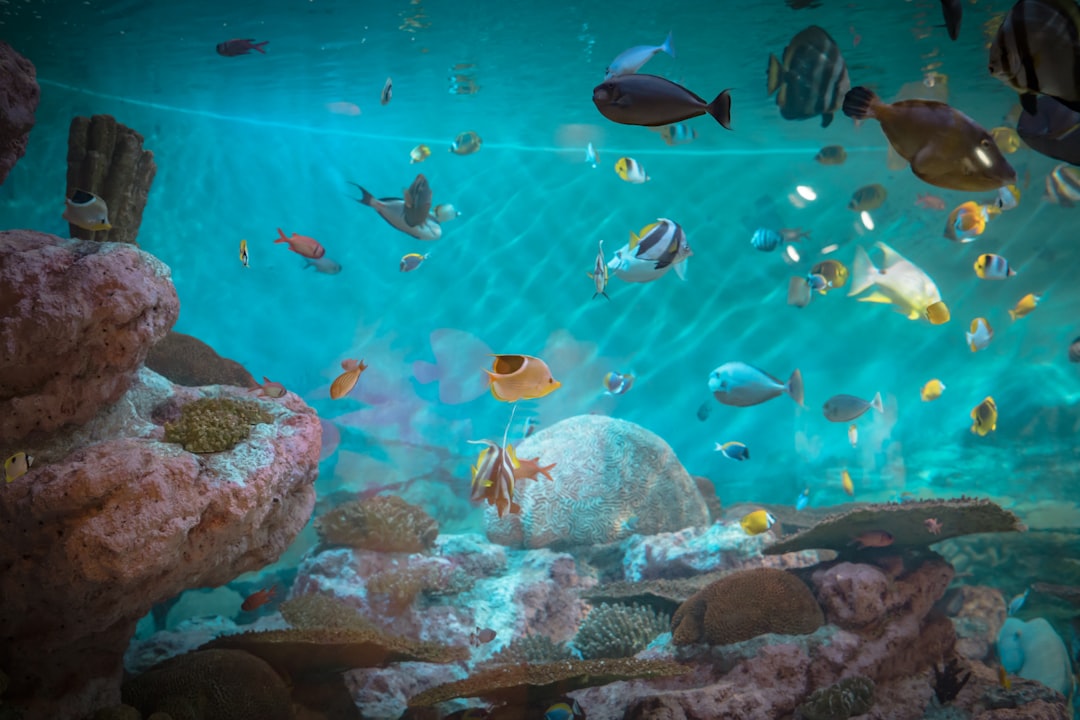
Teenagers make surprisingly good aquarium keepers once the setup matches their actual bandwidth — which, between PSLE prep, secondary school CCAs, and JC timetables, is roughly 20 minutes a week. This teen bedroom aquarium setup guide is written for parents and teenagers in Singapore planning a first tank for an HDB bedroom, drawn from the stock advice we give families walking into Gensou Aquascaping at 5 Everton Park. The goal is a quiet, attractive, self-running 60-75 litre tank that teaches real responsibility without requiring a parent to take over when homework spikes.
Quick Facts
- Recommended size: 60 litre tank, 60x30x36 cm footprint
- Weekly time cost: 15-20 minutes for a well-planted tank
- Noise target: under 35 dB at 1 metre (suitable for sleeping)
- Lighting: on a timer, 7-8 hours daily, auto off by bedtime
- Starter fish: white clouds, endlers, kuhli loaches, ember tetras
- Budget: $250-$400 complete including hardscape and plants
- Homework-friendly: ambient light is soft, movement is calming
Picking a Bedroom-Friendly Tank Size
A 60 litre tank is the sweet spot. Big enough to hold a proper small shoal and a feature species, small enough to lift onto a standard IKEA Kallax unit (verify the shelf is weight-rated — a full 60 litre tank weighs about 70 kg). Smaller tanks swing in parameters faster and are actually harder to maintain despite feeling “beginner”. Larger than 90 litres means serious floor loading considerations in HDB bedrooms and parental negotiation about furniture.
Rimless tanks look better in a modern bedroom. Framed tanks with a hood are safer if younger siblings wander in. Choose based on household, not Instagram.
Quiet Filtration for Sleep
A filter that hums at 40 dB sounds loud at 2 am. Internal filters and most HOBs fall in this range. Quiet options: Oase BioMaster 250 (external canister, roughly 32 dB in our shop measurements), small ADA-compatible canisters, or a well-tuned Eheim 2213. Avoid cheap air pumps in bedrooms — the rhythmic buzz ruins sleep. Surface agitation comes from the canister outflow direction rather than an air stone.
Heater is usually unnecessary in Singapore. Ambient sits at 27-30 °C even in air-conditioned bedrooms, well within range for tropical community species. Skip the heater and save $20.
Lighting on a Timer, Always
A cheap timer ($15) is the single best accessory for a teen’s tank. Set 14:00 to 22:00 or similar. The fish develop a routine, plants grow consistently, algae stays manageable, and the tank goes dark well before bedtime. Most teens leave the light on manually when given the choice, which crashes plant health within weeks. Automate it.
Colour temperature around 6500K renders plants well and avoids the blue-white harshness that makes a bedroom feel sterile. Chihiros C series or a basic Week Aqua pendant both work at the 60 cm size.
Plants Do the Heavy Lifting
A planted tank is significantly easier to maintain than an empty one. Plants consume nitrate, outcompete algae, oxygenate during the day, and look beautiful. Beginner-proof choices: Anubias nana petite attached to driftwood, Cryptocoryne wendtii as a midground, Vallisneria nana for background height, and a clump of Java moss for cover. All four survive tap water, low light, and zero fertiliser for months.
Skip carpeting plants on a first tank — Monte Carlo and dwarf hairgrass need CO2 and attention that a studying teen will not provide. Add them later if the hobby sticks.
Starter Fish That Match Teenager Schedules
Low-maintenance, forgiving, and visually active: 12 white cloud mountain minnows or ember tetras as a shoal, 6 kuhli loaches or pygmy corydoras as bottom cleaners, and 3-5 endlers for surface colour. Feed once daily with a quality pellet or flake, plus frozen bloodworm twice a week as enrichment. Realistic under-feeding is better than over-feeding in a bedroom tank — leftover food spikes ammonia.
Avoid bettas as the single feature fish for teens who struggle with routine. Bettas demand daily attention and quickly show stress if feeding is irregular. Small shoals are more forgiving.
Weekly Routine, Teen-Proofed
Saturday morning: test ammonia, nitrite, nitrate with a strip or quick kit (nitrate should be 10-40 ppm); change 20-25% of water with a siphon into a bucket; refill with conditioned tap water; wipe the front glass with a magnet cleaner. Done in 15 minutes. Every four weeks, rinse the filter sponge in tank water (not tap) during the water change. This is the whole routine — it really is this simple when the tank is well-planted and lightly stocked.
Homework Corner Compatibility
Placed on a desk-height shelf near a study area, a planted tank is widely cited by teens as a focus aid. The soft light, gentle water movement, and slow fish motion reduce screen fatigue during long study blocks. A tank on the opposite wall of the desk works best — visible during thinking breaks without being directly in the peripheral vision while reading.
Teaching Real Responsibility
Parents asking us whether a tank will teach responsibility usually want a yes, but it only works if the teen genuinely wants the tank. An imposed chore fails; a chosen hobby teaches. Let them pick the fish, read up on compatibility, and make the mistakes. Our shop stocks second-hand tank starter packages around $180-220 which lower the initial barrier. When the tank becomes theirs, the routine sticks for years.
Related Reading



