
Top 10 Corydoras Species Roundup: Bottom Dweller Picks
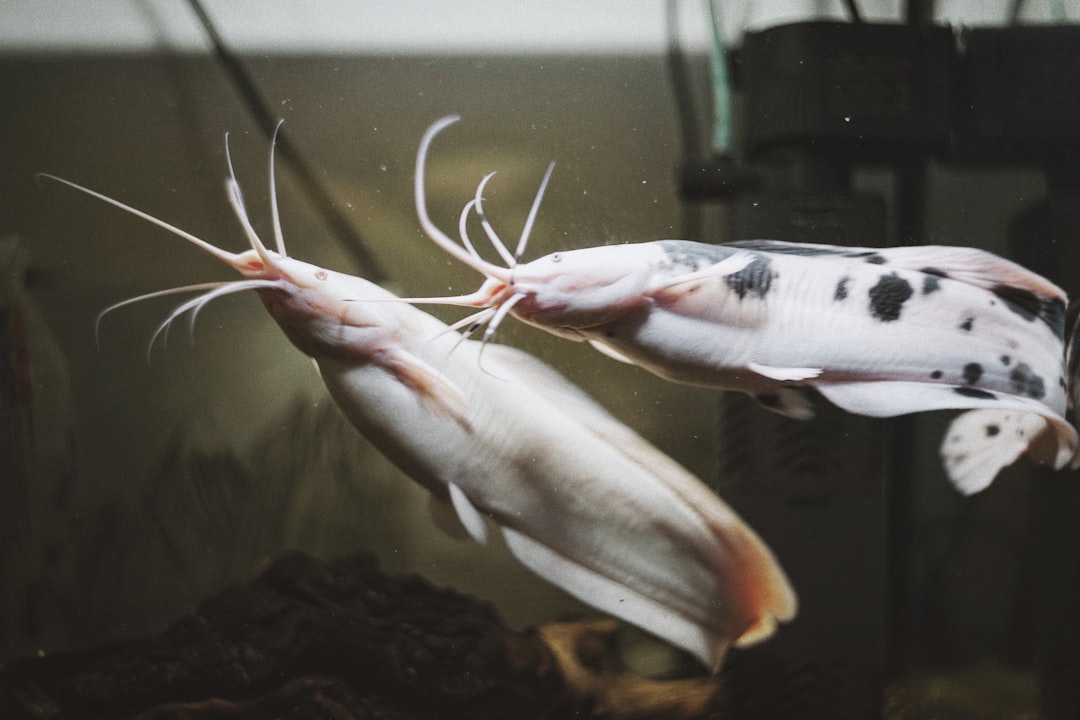
Corydoras are armoured catfish with over 170 described species, each with distinct temperature preferences and visual patterns. The top 10 corydoras species below are ranked by suitability for Singapore ambient temperatures (28-31°C) — heat-tolerant species first, cooler-preferring species later with chiller notes. This roundup from Gensou Aquascaping at 5 Everton Park covers minimum group sizes, substrate requirements, and sourcing tips. Always keep corys in groups of six or more on fine sand from the substrate range — sharp gravel erodes barbels permanently and the damage rarely heals once infected. Group dynamics also drive feeding behaviour; lone corys or pairs become listless and stop foraging effectively.
Why Substrate Choice Matters
Corys forage by sifting fine substrate through their gill plates, picking out organic particles. Sharp-edged gravel cuts their barbels (the whisker-like sensory organs around the mouth) and once damaged, secondary bacterial infection follows quickly. Fine pool-filter sand or smooth river sand below 1mm grain size is ideal. Avoid gravel marketed as “natural” without verifying the edge profile under a hand lens — many decorative gravels look smooth but are surprisingly sharp.
1. Corydoras Sterbai (Corydoras sterbai)
The only cory that genuinely thrives at SG ambient. White-spotted black body. 6cm, group of six. SGD 8-15 at Iwarna. Long-lived (8+ years) when stable and one of the most rewarding corys to keep in a community tank.
2. Bronze Cory (Corydoras aeneus)
Tolerates 22-28°C, hardy beginner cory. 7cm, group of six. SGD 3-5 at C328. Albino strains share the same hardiness profile and are widely available across local fish shops.
3. Panda Cory (Corydoras panda)
Cream body with black eye-mask and dorsal spot. 5cm, prefers 22-26°C — cooler rooms or air-conditioned bedroom. SGD 5-9 each. Tropical-only stock from Asian breeders is slightly more heat-tolerant than European captive lines.
4. Julii/Leopard Cory (Corydoras julii or trilineatus)
Most stock sold as julii is actually trilineatus. 6cm, prefers 22-26°C. SGD 5-10. Imported true julii is rare and commands a premium when properly identified by experienced importers.
5. Schwartzi Cory (Corydoras schwartzi)
Distinct broken horizontal stripe and dorsal spot. 6cm, 22-27°C. SGD 8-12. Less commonly imported than panda or trilineatus but worth the search for the striking pattern.
6. Pygmy Cory (Corydoras pygmaeus)
Mid-water shoaler unlike most corys. 2.5cm, group of eight. SGD 5-8 at Petopia. The only cory that genuinely shoals in open water — most other species spend their time on the substrate.
7. Habrosus Cory (Corydoras habrosus)
Salt-and-pepper miniature cory, 3cm, group of eight. SGD 6-10. Suits nano tanks under 40 litres and combines well with chili rasboras at the same temperature range.
8. Hastatus Cory (Corydoras hastatus)
Tail-spot dwarf, swims mid-water like pygmy. 3cm, group of eight. SGD 6-10. Easily confused with pygmy by appearance — the distinct caudal spot separates the two species reliably.
9. Melini Cory (Corydoras melini)
False bandit pattern with dorsal-to-caudal stripe. 6cm, 22-26°C. SGD 8-15 at specialist shops. Closely resembles metae cory and hobbyists frequently mix the two unintentionally.
10. Paleatus/Peppered Cory (Corydoras paleatus)
Hardy, tolerates 18-26°C — better for cooler rooms or chiller setups. 7cm, group of six. SGD 4-7. Pair all corys with the sinking pellet range dropped after lights-out, and an oversized canister from the aquarium equipment range for the gentle current corys appreciate. Long-finned strains command a small premium over the standard.
Corys are not effective leftover scavengers despite the persistent myth — they need targeted feeding. Drop sinking wafers, frozen bloodworm or live blackworm directly into their feeding zone after the lights dim and the surface feeders have settled. Two small targeted feeds daily keep the group well-conditioned and trigger spawning behaviour in mature fish. Skipping targeted feeds is the most common reason captive corys fail to thrive long-term, and a thinning belly profile is the clearest visual indicator that the group is being outcompeted at feeding time by faster surface species.
Related Reading



