Vanishing Point Path Aquascape Technique Guide
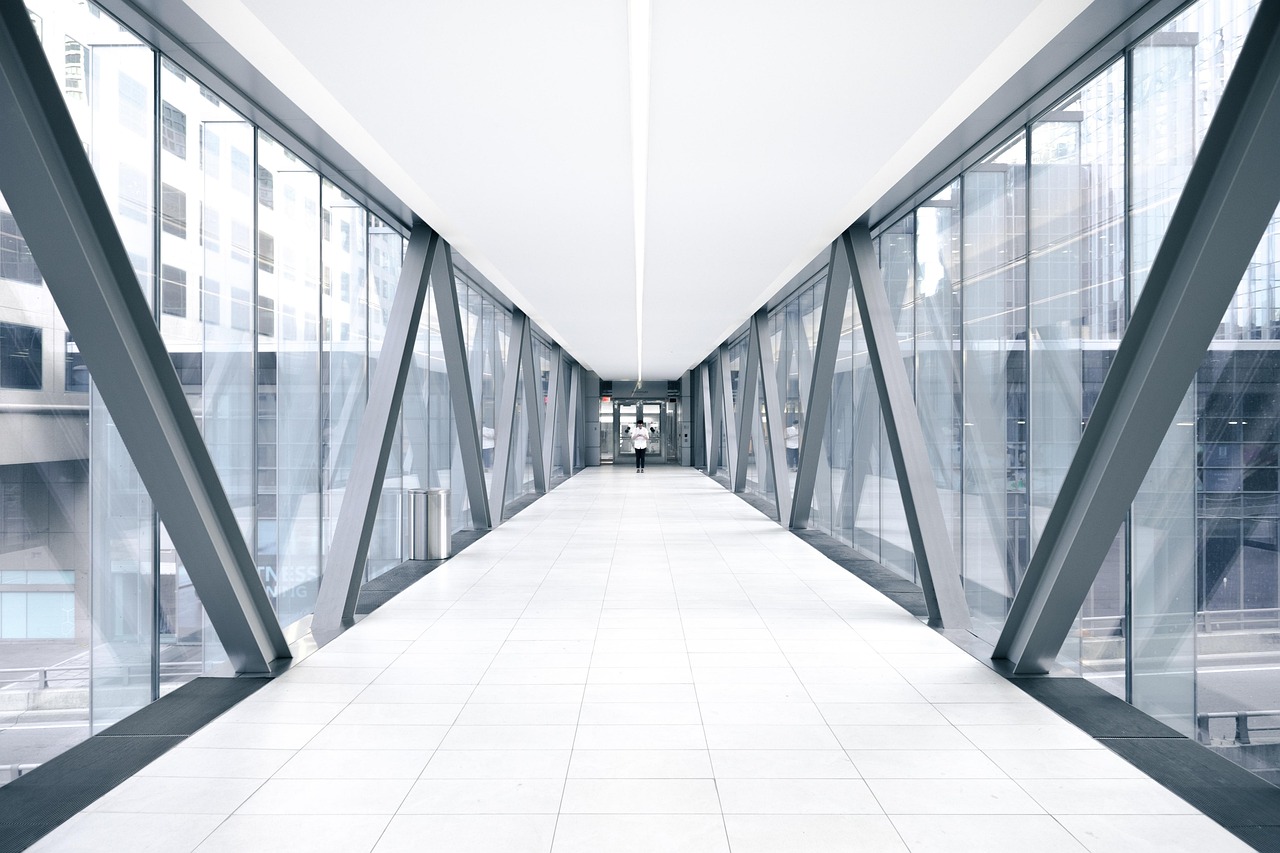
The reason a well-built path scape looks like a trail winding into a distant forest — and a poorly built one looks like a white stripe drawn on sand — comes down to one piece of Renaissance-era geometry: the vanishing point. This guide to the vanishing point path aquascape technique explains how to construct the illusion of infinite depth in a 45 cm tank that is actually only 30 cm deep, drawing on years of competition-prep work at Gensou Aquascaping in 5 Everton Park. The technique is rooted in linear perspective, the same principle Brunelleschi used to design cathedral frescoes.
What a Vanishing Point Actually Is
In linear perspective, parallel lines appear to converge at a single point on the horizon. In a path aquascape, those parallel lines are the two edges of your substrate path, and the vanishing point is where they would meet if they kept going. Your brain reads that convergence as distance, even when the physical tank depth is only 30 cm. Place the vanishing point thoughtfully and the scape reads as endless woodland.
Locating the Vanishing Point
The vanishing point should sit slightly off-centre, at roughly the golden ratio intersection — typically 60 percent across the tank width and at the back glass, around 30 to 40 percent up from substrate level. Dead-centre placement kills the effect because the symmetry reappears. Our aquarium path layout guide and aquascape path layout cover complementary geometry.
Path Width Taper Math
The path must narrow aggressively from front to back. A 45 cm long tank with a 12 cm wide path at the foreground should taper to 2 to 3 cm at the vanishing point — roughly a 4:1 compression ratio. Less taper and the path reads as a parallel-sided strip; more taper and it becomes a cartoonish wedge. Mark the taper with string lines during dry layout and commit to them before adding substrate.
Substrate Colour and Texture Gradation
Use lighter, finer substrate for the path — fine silica or ADA La Plata sand at 0.5 to 1 mm grain. Frame it with darker, coarser material on the planted banks. Graduate grain size too: coarser grains in the foreground, finer at the vanishing point. This reinforces atmospheric perspective because finer grains read as more distant, matching how real distant surfaces appear smoother.
Hardscape Scaling Along the Path
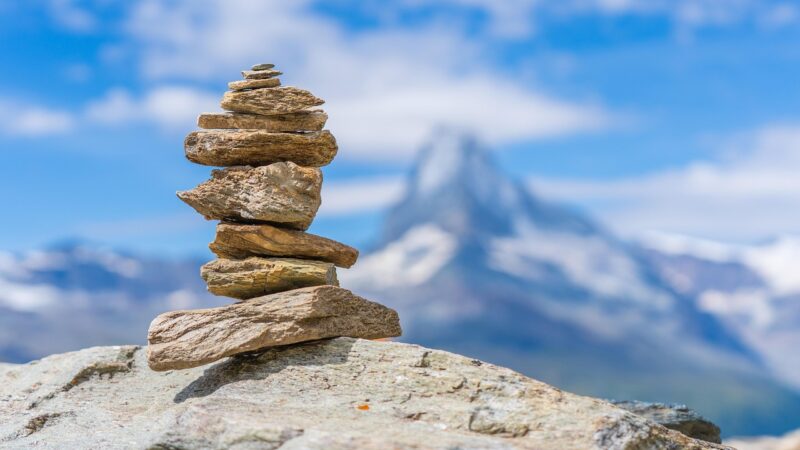
Rocks and driftwood flanking the path must shrink toward the vanishing point. A 15 cm stone at the foreground should be matched by a 4 to 6 cm stone at the back. Mixing similarly sized stones front-to-back collapses the perspective instantly. Our rock stacking guide explains how to select graduated sets from a single quarry batch for grain consistency.
Plant Height and Leaf Size Scaling
Plant selection reinforces or destroys the illusion. Front path flanks take larger-leafed species — Anubias, Bucephalandra, Cryptocoryne wendtii. Midground uses finer species like Cryptocoryne parva, Staurogyne repens and dwarf hairgrass. Background uses the smallest-leafed options — dwarf baby tears, Monte Carlo pressed into a distant carpet, or a fine-leaved moss wall. The leaf-size gradient does half the perspective work for you.
Canopy Convergence Above the Path
Driftwood branches and tall stems can arch inward over the path, converging toward the vanishing point to reinforce the tunnel effect. Think of forest-path photography where tree canopies meet overhead. In a 45 cm tank, arching two manzanita branches from flanking banks to peak near the vanishing point adds immediate depth. Our manzanita hardscape guide covers local sourcing.
Lighting the Vanishing Point
Aim your brightest lamp module directly over the vanishing point so that zone reads as brighter than the foreground. Distant real-world scenes appear hazier and often brighter because of atmospheric scatter; replicating that with lighting placement sells the depth. Chihiros RGB Vivid II and Twinstar E-series both allow zoning; position the brightest cluster near the back, not the front.
Viewing Distance and HDB Living Room Reality
Path scapes read best from 1.5 to 2.5 metres back, which matches the typical HDB living-room sofa-to-TV-console distance. If your tank is in a narrow 3-room flat with only 1 metre of viewing distance, exaggerate the taper more aggressively — 5:1 or 6:1 — because the eye compensates for short sight lines. Test photos at your actual sofa distance, not at arm’s length near the tank.
Common Vanishing Point Errors
Centring the vanishing point, making the path too wide at the back, using uniform-sized hardscape front to back, and planting identical species along the entire path length all destroy the illusion. So does a strong side-lit glare on the front glass that pulls focus away from the convergence point. Review the dry layout with our focal point placement guide and scale and proportion guide before flooding.
Related Reading
- Aquarium Path Layout Guide
- Aquascape Path Layout Guide
- Aquascape Scale Proportion Guide
- Aquascape Focal Point Placement
- Aquascape Rock Stacking Guide
A winding sand trail is one of the easiest ways to suggest a vanishing point, as we demonstrate in our guide on creating a beach sand path aquascape.