
Bottom Feeder Fish: 12 Best Species for a Clean Aquarium
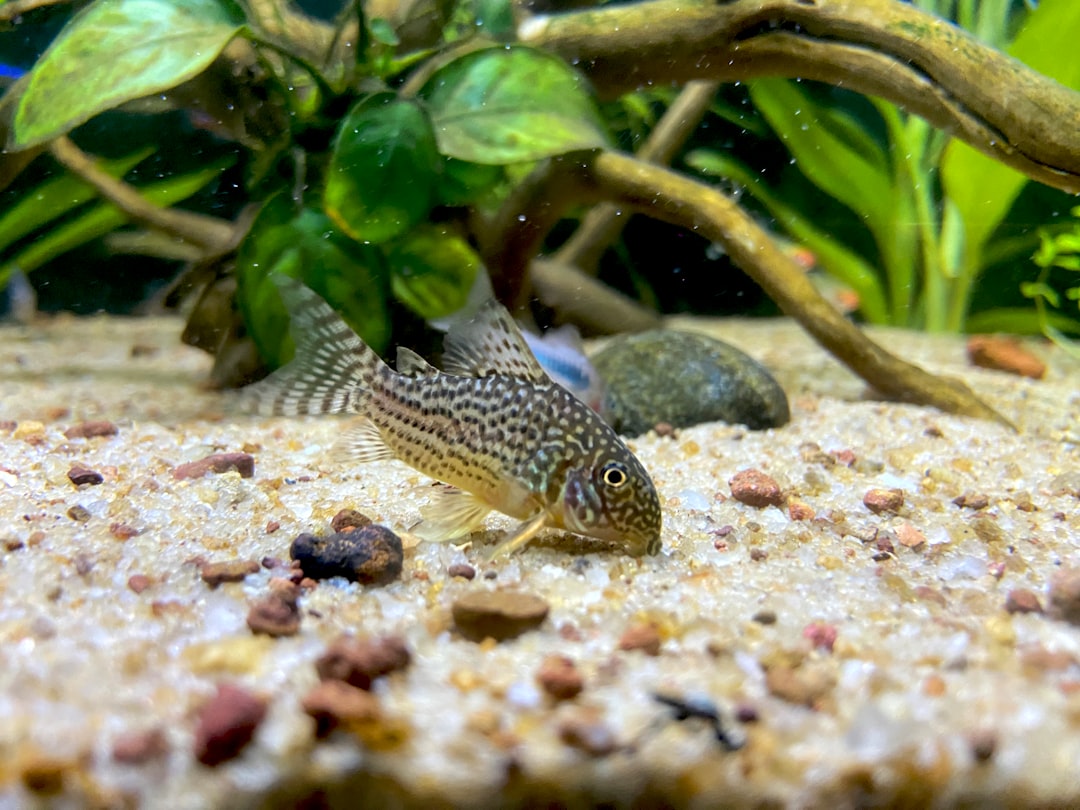
Bottom feeder fish are the unsung workhorses of the aquarium. While your mid-water tetras and surface-dwelling gouramis get all the attention, it is the fish patrolling the substrate that keep detritus in check, prevent food from rotting in hard-to-reach corners, and add a fascinating layer of activity to the lower third of your tank.
But “bottom feeder” is a broad label that covers everything from 2-centimetre dwarf corydoras to 30-centimetre plecostomus — and not every species is a good fit for every tank, especially in Singapore where ambient water temperatures sit between 28 and 32 degrees Celsius year-round. Choosing the right bottom dweller means matching species to your tank size, water parameters, and realistic temperature range.
Here are 12 of the best bottom feeder fish for home aquariums, with honest assessments of how each one fares in our tropical climate.
Quick Comparison Table
| Species | Max Size | Min Tank Size | Temp Range (°C) | Difficulty | SG Suitability |
|---|---|---|---|---|---|
| Bronze Corydoras | 7 cm | 75 L | 22–28 | Easy | Good |
| Sterbai Corydoras | 7 cm | 75 L | 24–30 | Easy | Excellent |
| Bristlenose Pleco | 12 cm | 100 L | 23–30 | Easy | Excellent |
| Otocinclus | 4 cm | 40 L | 22–28 | Moderate | Good |
| Kuhli Loach | 10 cm | 75 L | 24–30 | Easy | Excellent |
| Clown Loach | 30 cm | 400 L | 25–30 | Moderate | Excellent |
| Yoyo Loach | 13 cm | 150 L | 24–30 | Easy | Excellent |
| Siamese Algae Eater | 15 cm | 150 L | 24–30 | Easy | Excellent |
| Amano Shrimp | 5 cm | 20 L | 22–28 | Easy | Good |
| Nerite Snail | 2.5 cm | 10 L | 22–30 | Easy | Excellent |
| Pygmy Corydoras | 3 cm | 40 L | 22–28 | Moderate | Good |
| Whiptail Catfish | 12 cm | 100 L | 24–30 | Moderate | Excellent |
1. Bronze Corydoras (Corydoras aeneus)
The bronze corydoras is the quintessential beginner bottom feeder and for good reason. These armoured catfish are hardy, sociable, and endlessly entertaining as they shuffle across the substrate in tight-knit groups, vacuuming up uneaten food with their sensitive barbels.
Max size: 7 cm. Minimum tank size: 75 litres. Temperature range: 22–28°C. Difficulty: Easy.
Singapore suitability: Good. Bronze corydoras prefer the lower end of our ambient temperature range, and they can struggle during hot spells when tank water climbs above 30°C. In air-conditioned rooms or tanks with cooling fans, they do well. Keep them in groups of six or more — they are genuinely unhappy in smaller numbers.
2. Sterbai Corydoras (Corydoras sterbai)
If you want corydoras in Singapore but worry about heat tolerance, Corydoras sterbai is your answer. Native to the warm waters of the upper Guapore River in Brazil, this species handles temperatures up to 30°C comfortably — making it the most heat-tolerant corydoras commonly available in the hobby.
Max size: 7 cm. Minimum tank size: 75 litres. Temperature range: 24–30°C. Difficulty: Easy.
Singapore suitability: Excellent. This is our top corydoras recommendation for Singapore tanks without chillers. Their striking spotted pattern and orange pectoral fins make them one of the most attractive corydoras species too.
3. Bristlenose Pleco (Ancistrus sp.)
The bristlenose pleco is the responsible aquarist’s answer to the common pleco. Where the common pleco (Hypostomus plecostomus) grows to an unmanageable 45 centimetres and produces enormous amounts of waste, the bristlenose stays compact at around 12 centimetres and is a far more effective algae grazer for its size.
Max size: 12 cm. Minimum tank size: 100 litres. Temperature range: 23–30°C. Difficulty: Easy.
Singapore suitability: Excellent. Bristlenose plecos tolerate our warm water temperatures well. Provide driftwood in the tank — they rasp on it for dietary fibre, and it also contributes to the tannin-rich conditions they appreciate. Supplement their diet with blanched vegetables (zucchini, cucumber) and algae wafers, especially in clean tanks where natural algae growth is limited.
4. Otocinclus (Otocinclus sp.)
Otocinclus — affectionately called “otos” — are tiny, peaceful algae-eating catfish that excel at keeping plant leaves and glass spotless. They are the cleanup crew of choice for planted nano tanks and aquascapes where a bristlenose pleco would be too large and clumsy.
Max size: 4 cm. Minimum tank size: 40 litres. Temperature range: 22–28°C. Difficulty: Moderate.
Singapore suitability: Good, with caveats. Otos are sensitive to high temperatures and poor water quality. They are notorious for arriving from suppliers in poor condition due to stress during collection and shipping. Buy from reputable local stores, observe them feeding before purchase, and acclimate them slowly. In air-conditioned rooms, they thrive. In warmer setups, they need excellent oxygenation and pristine water.
5. Kuhli Loach (Pangio kuhlii)
The kuhli loach looks like a tiny striped eel and behaves like a nocturnal detective, wriggling through gaps in hardscape and burrowing into fine substrate in search of food. Native to Southeast Asia, including parts of Indonesia and the Malay Peninsula, this species is genuinely adapted to our regional conditions.
Max size: 10 cm. Minimum tank size: 75 litres. Temperature range: 24–30°C. Difficulty: Easy.
Singapore suitability: Excellent. As a regional native, the kuhli loach is perfectly at home in Singapore’s warm water. Provide hiding spots (driftwood caves, dense plants, coconut shells) and a soft, sandy substrate — their delicate barbels can be damaged by sharp gravel. Keep them in groups of at least five; solitary kuhli loaches are shy to the point of invisibility.
6. Clown Loach (Chromobotia macracanthus)
The clown loach is one of the most charismatic bottom dwellers in the hobby — bold orange and black stripes, quirky social behaviour, and a habit of lying on their sides that alarms new owners but is completely normal. However, this is a commitment fish.
Max size: 30 cm (slowly, over many years). Minimum tank size: 400 litres (for a group). Temperature range: 25–30°C. Difficulty: Moderate.
Singapore suitability: Excellent in terms of temperature, but only if you have a large tank. Native to the warm rivers of Sumatra and Borneo, clown loaches are right at home in our climate. They are also effective snail predators if pest snails are a concern. However, they must be kept in groups of five or more, they grow large (albeit slowly), and they are susceptible to ich — so quarantine all new additions.
7. Yoyo Loach (Botia almorhae)
Named for the “Y-O-Y-O” pattern on their flanks, yoyo loaches are active, personable bottom dwellers that occupy a useful middle ground between the tiny kuhli loach and the massive clown loach.
Max size: 13 cm. Minimum tank size: 150 litres. Temperature range: 24–30°C. Difficulty: Easy.
Singapore suitability: Excellent. They handle warm water well and are vigorous eaters that make short work of uneaten food and pest snails. Be aware that they can be boisterous and may harass slow-moving or long-finned tank mates.
8. Siamese Algae Eater (Crossocheilus oblongus)
The true Siamese algae eater (SAE) is one of the very few fish that will eat black beard algae (BBA) — the scourge of planted tank keepers. This alone makes it invaluable in the aquascaping world.
Max size: 15 cm. Minimum tank size: 150 litres. Temperature range: 24–30°C. Difficulty: Easy.
Singapore suitability: Excellent. Native to mainland Southeast Asia, the SAE is well-adapted to warm conditions. Be careful when purchasing — the Chinese algae eater (Gyrinocheilus aymonieri) and the flying fox (Epalzeorhynchos kalopterus) are frequently sold as SAEs but are different species with different temperaments. The true SAE has a ragged-edged black stripe that extends into the tail fin.
9. Amano Shrimp (Caridina multidentata)
Not a fish, strictly speaking, but no list of bottom-dwelling cleanup crew would be complete without the Amano shrimp. Popularised by the legendary aquascaper Takashi Amano, these shrimp are relentless algae grazers that will methodically clean every surface in the tank.
Max size: 5 cm. Minimum tank size: 20 litres. Temperature range: 22–28°C. Difficulty: Easy (keeping) / Very Hard (breeding).
Singapore suitability: Good, with temperature management. Amano shrimp are at the upper edge of their comfort zone in our ambient temperatures. They are also extremely sensitive to chloramine — always use a quality dechlorinator when preparing water, and acclimate new shrimp slowly using the drip method. For a deeper dive, read our complete Amano shrimp care guide.
10. Nerite Snail (Neritina sp.)
Nerite snails are the most effective algae-eating snails available to the hobbyist. They graze tirelessly on diatoms, green spot algae, and soft film algae without touching your live plants — a combination that no other snail can match.
Max size: 2.5 cm. Minimum tank size: 10 litres. Temperature range: 22–30°C. Difficulty: Easy.
Singapore suitability: Excellent. They tolerate warm water well and will not breed in freshwater (their larvae require brackish or saltwater), so you never have to worry about a population explosion. The only downside is that they deposit small white eggs on hard surfaces, which are harmless but can be unsightly.
11. Pygmy Corydoras (Corydoras pygmaeus)
The pygmy corydoras is a delightful miniature catfish that, unlike its larger cousins, spends considerable time swimming in the mid-water column rather than staying glued to the substrate. At just 3 centimetres, it is perfect for nano tanks and heavily planted aquascapes.
Max size: 3 cm. Minimum tank size: 40 litres. Temperature range: 22–28°C. Difficulty: Moderate.
Singapore suitability: Good, in temperature-managed tanks. Like other smaller corydoras, pygmies prefer water below 28°C and benefit from cooling fans or air-conditioning. Keep them in groups of ten or more — their schooling behaviour in large groups is one of the great pleasures of nano fishkeeping.
12. Whiptail Catfish (Rineloricaria sp.)
The whiptail catfish is an underappreciated gem. With their elongated, flattened bodies and slender tail filaments, they look like something between a twig and a miniature stingray. They are peaceful, hardy, and excellent at grazing biofilm and soft algae from surfaces.
Max size: 12 cm. Minimum tank size: 100 litres. Temperature range: 24–30°C. Difficulty: Moderate.
Singapore suitability: Excellent. They handle warm water well and their camouflaged appearance makes them a fascinating addition to natural-style aquascapes with sandy substrates and driftwood. They are shy and nocturnal, so provide plenty of hiding spots.
Choosing the Right Bottom Feeders for Your Tank
The best bottom feeder for your aquarium depends on three factors: tank size, temperature management, and what you need them to do.
For algae control, the combination of a bristlenose pleco, a group of otocinclus, and a squad of Amano shrimp covers virtually every surface in the tank. For scavenging uneaten food, corydoras and kuhli loaches are unbeatable. For pest snail control, yoyo loaches and clown loaches are your best options.
And always remember: bottom feeders are not a substitute for proper maintenance. They reduce the workload, but they produce waste of their own. Regular water changes and responsible feeding remain the foundation of a healthy tank.
Looking for the right bottom feeders for your setup? Browse our curated livestock and supplies, or get in touch for personalised stocking advice from our team at Gensou.



