
Apple Snail Complete Care Guide: Pomacea canaliculata
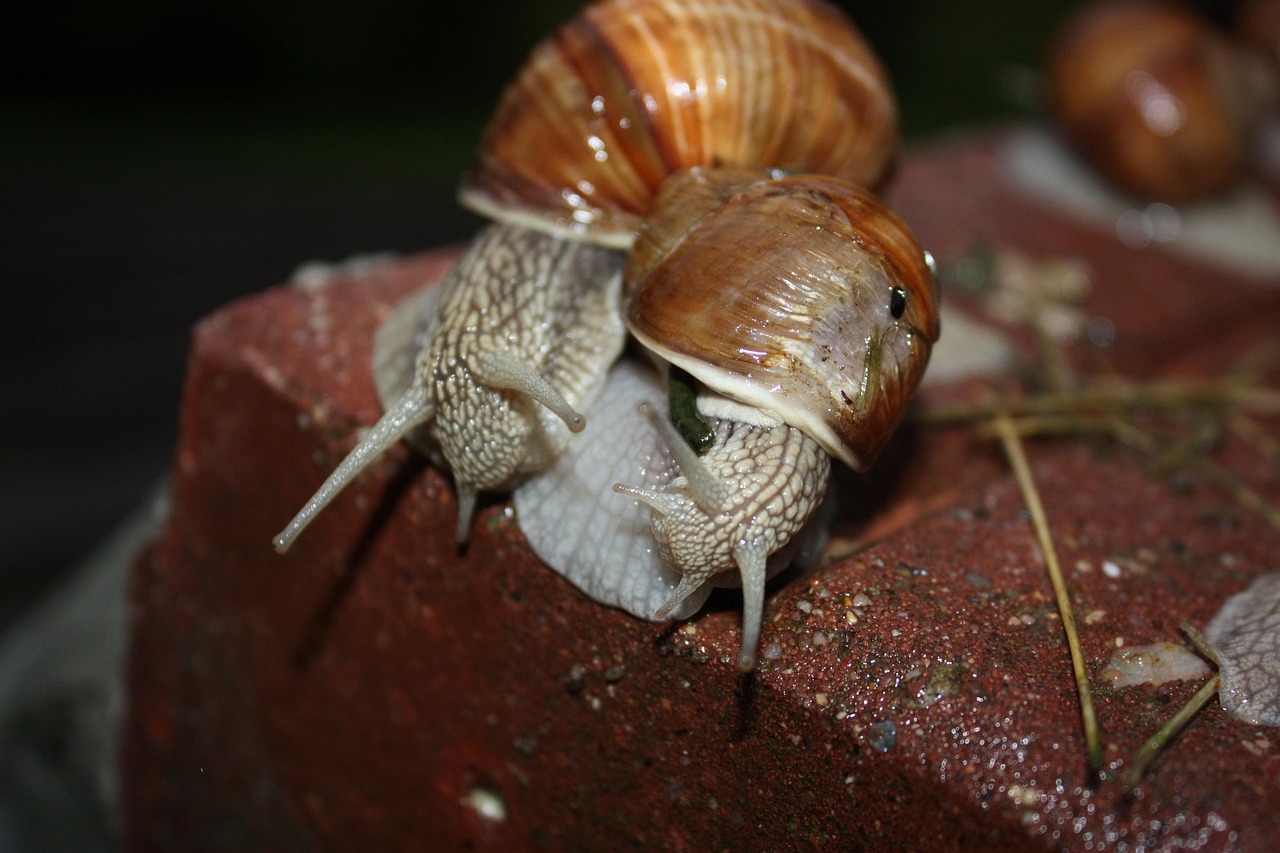
Apple snails are the largest freshwater snails most hobbyists ever keep, and also the most misunderstood — partly because the trade confuses Pomacea canaliculata (the invasive golden apple snail) with Pomacea diffusa (the smaller, legal mystery snail) and sells them interchangeably. In Singapore, NParks prohibits import of the canaliculata species due to its agricultural pest status, but tank-bred specimens circulate through hobbyist networks. This apple snail complete care guide from Gensou Aquascaping at 5 Everton Park covers species identification, care, legal context and sourcing. Review the livestock catalogue for legally available alternatives first.
Species and Legal Status
Four species appear under the apple snail umbrella. Pomacea canaliculata — the “golden apple snail” — is an invasive agricultural pest banned from import under NParks rules. Pomacea diffusa — the mystery snail — is legal, smaller and the species most Singapore shops actually sell. Pomacea bridgesii overlaps with diffusa in the trade. Pomacea maculata is another restricted giant. This guide covers care shared across the genus while respecting Singapore’s import regulations.
Identification Pointers
Apple snails grow 4-6 cm (diffusa) or 8-15 cm (canaliculata). Golden yellow, ivory, blue, purple, magenta and tiger morphs exist. The shell aperture shape is the reliable species marker — canaliculata shows a deeply grooved suture, diffusa a more rounded profile. LFS labelling is often inaccurate; check with the shop and use shell shape cues.
Tank Size and Bioload
A single adult needs 40 litres minimum; two need 75 litres. Apple snails produce substantial waste and require oversized filtration — 2-3x tank volume per hour turnover. They are not community-friendly at low filter capacity. A 30 cm cube can host a single diffusa but not multiple adults, and not canaliculata.
Calcium and Shell Demand
Apple snails are among the most calcium-hungry freshwater invertebrates. Soft Singapore PUB tap water does not supply enough dissolved calcium for shell maintenance, leading to pitting and holes. Supplement with cuttlebone, crushed coral filter media, wondershells and calcium-rich substrate additives. Maintain KH above 4 and GH above 8. Eroded shell is permanent damage.
Water Parameters
Target 22-28°C, pH 7.0-8.0, GH 8-15, KH 4-10, ammonia and nitrite zero, nitrate under 20 ppm. Apple snails need an air gap at the top of the tank — they breathe atmospheric air through a siphon tube and drown without surface access. Keep water level 3-5 cm below the rim and leave the lid unsealed.
Diet and Plant Safety
Apple snails are opportunistic omnivores. Algae, biofilm, blanched vegetables (zucchini, cucumber, spinach, carrots), sinking algae wafers, calcium-enriched snail food and leftover fish food all work. Plant safety is species-dependent — P. diffusa is largely plant-safe, P. canaliculata mows down stem plants, Vallisneria and soft-leaved species. Provide sinking food daily to reduce plant predation pressure. The fish food catalogue carries suitable options.
Tank Mates
Peaceful community fish — tetras, rasboras, corys, peaceful barbs, dwarf shrimp — coexist safely with apple snails. Avoid loaches that crack snail shells, pufferfish, assassin snails and large cichlids. Shrimp sometimes ride on apple snail shells but cause no harm. Overly aggressive nibblers can damage the snail’s sensory tentacles.
Breeding and Egg Masses
Apple snails lay distinctive pink or orange egg clutches above the waterline on glass or hardscape. Clutches contain 100-500 eggs and hatch in 2-3 weeks at 26°C. Remove clutches promptly if you do not want fry, and never release eggs or juveniles into waterways — this is both a legal and ecological hazard in Singapore. Freezing destroyed clutches prevents hatching.
Legal Sourcing in Singapore
NParks prohibits import of Pomacea canaliculata. Legally sold apple snails at shops like Y618, C328, Polyart and Nature Pet are almost always Pomacea diffusa (mystery snail) despite the “apple snail” label. Tank-bred canaliculata occasionally circulates through Carousell and hobbyist networks — buyers should understand that keeping the species does not violate rules for existing hobbyists, but import and release do. Expect SGD 4-8 per diffusa apple snail.
Responsible Keeping
Never dispose of apple snails or their eggs in drains, waterways, canals or reservoirs. Singapore’s drains connect to reservoir and coastal systems where canaliculata could establish and damage paddy ecosystems regionally. Responsible disposal means isolating eggs, freezing clutches and rehoming adults only to other hobbyists. The species’ invasive history is the reason for its restricted status.
Lifespan and Care Summary
Apple snails live 2-3 years under good care — a relatively short lifespan for such a large invertebrate. Slower ageing occurs in cooler tanks; 26°C+ accelerates metabolism. Stable calcium, good filtration, air gap at the surface and respect for local regulations form the core of the apple snail complete care guide.
Related Reading



