
Malaysian Trumpet Snail Complete Care Guide: Benefits and Control
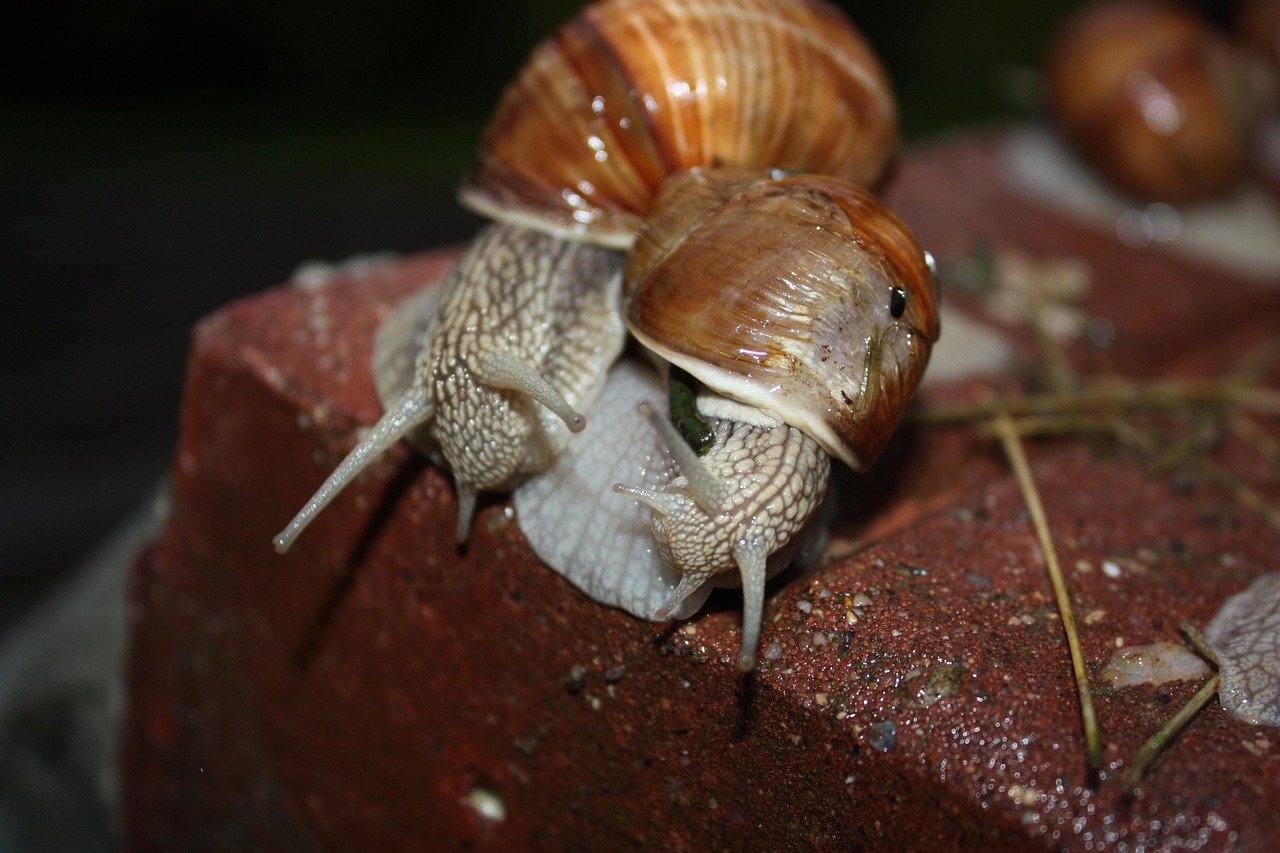
Malaysian trumpet snails divide the hobby between keepers who swear by them and keepers who spent months trying to eradicate a population. Both reactions miss the point — Melanoides tuberculata is not a pest, it is a working cleanup-crew species that aerates substrate, consumes detritus and breeds only as much as the tank’s food supply allows. This Malaysian trumpet snail complete care guide from Gensou Aquascaping at 5 Everton Park explains the benefits, management tactics and sourcing channels in Singapore. Pair them with a well-planted tank built from the live plants catalogue for the best results.
Identifying the Species
Malaysian trumpet snails — MTS — grow 2-3 cm with a tall conical shell patterned in brown and cream. They are live-bearers (not egg-layers like most freshwater snails), produce fully-formed juveniles and reproduce parthenogenetically, meaning a single individual can found a colony. Most are active at night or under dim light; daytime finds them buried in the substrate.
Why They Are Not Pests
The pest reputation comes from keepers who overfed heavily, then blamed the resulting snail population explosion on the snails rather than the excess food. MTS populations self-regulate to the tank’s food availability — cut overfeeding and the population plateaus or shrinks within weeks. They do not damage healthy plants, do not outcompete fish, do not carry significant disease risk and do not foul water. The pest species are bladder and ramshorn — not MTS.
Substrate Aeration Benefit
MTS burrow continuously through the substrate, which prevents anaerobic pockets that generate hydrogen sulphide gas — the rotten-egg smell that accompanies deep, compacted sand beds. In planted tanks with 5-8 cm substrate depth, MTS effectively replace the manual substrate stirring that keepers would otherwise do every few months. The substrate range benefits from their activity over time.
Tank Size and Stocking
MTS work in any tank from 10 litres upward. Population naturally scales to food supply — start with 10-20 individuals in a 60 litre tank, and the colony reaches 50-150 within 6-12 months depending on feeding. They cause no bioload concern because their total biomass stays small; the perceived overcrowding is visual (many small shells) rather than chemical.
Water Parameters
Target 20-30°C, pH 6.5-8.0, GH 6-15, KH 4-10, ammonia and nitrite zero, nitrate under 40 ppm. MTS tolerate wider parameter ranges than any other common aquarium snail and handle Singapore tap water straight out the tap after dechlorination. They prefer harder water for shell integrity — crushed coral in the filter handles soft-water cases. Copper-based medications and fertilisers are lethal; switch to copper-free alternatives from the water care range.
Diet and Feeding
MTS scavenge leftover fish food, detritus, decaying plant matter, biofilm and dead tank mates. They do not require supplemental feeding in a functioning tank — overfeeding MTS is the exact mistake that triggers population booms. In a sparse tank with few other inhabitants, occasional sinking wafers or blanched zucchini from the fish food catalogue keep the colony healthy.
Population Control
Three reliable controls exist. First — feed less. Second — manual removal via a lettuce or cucumber trap left on the substrate overnight, which aggregates dozens of snails for easy collection. Third — introduce assassin snails (Clea helena), which specifically predate MTS. Loaches (yoyo, clown, skunk) also crush MTS shells effectively. Never use copper-based snail killers in a planted community tank — collateral damage to plants, shrimp and fish outweighs the benefit.
Tank Mate Compatibility
MTS coexist with virtually every peaceful community fish and invertebrate. They are not predated heavily except by dedicated snail-eaters, which makes them effective cleanup staff in shrimp tanks, betta tanks, tetra communities and planted aquascapes. Dwarf shrimp colonies actively benefit from MTS substrate turnover and detritus consumption.
Plant Safety
MTS are plant-safe — they eat decaying matter, not living tissue. Reports of plant damage from MTS almost always trace to already-dying leaves being consumed, which keepers mistake for active damage. Healthy stem plants, sword plants, Cryptocoryne and carpet species handle MTS presence with zero issue. Live plants actually benefit from the substrate oxygenation.
Sourcing in Singapore
MTS are essentially free. Ask any Singapore planted tank keeper on Carousell or Facebook groups like SG Aquascaping and SG Shrimp Keeper — surplus populations are regularly given away. LFS including Y618, C328 and Polyart sometimes sell them at SGD 1-3 for 5-10 individuals, though most keepers acquire them as hitchhikers on purchased plants. Quarantine new plants only if you want to avoid them.
Practical Verdict
A modest population of Malaysian trumpet snails is one of the least trouble, most beneficial additions to a planted tank in Singapore. Feed sensibly, skip the pest-kit reflex, and let them do the substrate maintenance your hands would otherwise have to. The Malaysian trumpet snail complete care guide is really a lesson in understanding what they do rather than what they look like.
Related Reading



