
How Long Do Betta Fish Live? Lifespan Guide and Tips
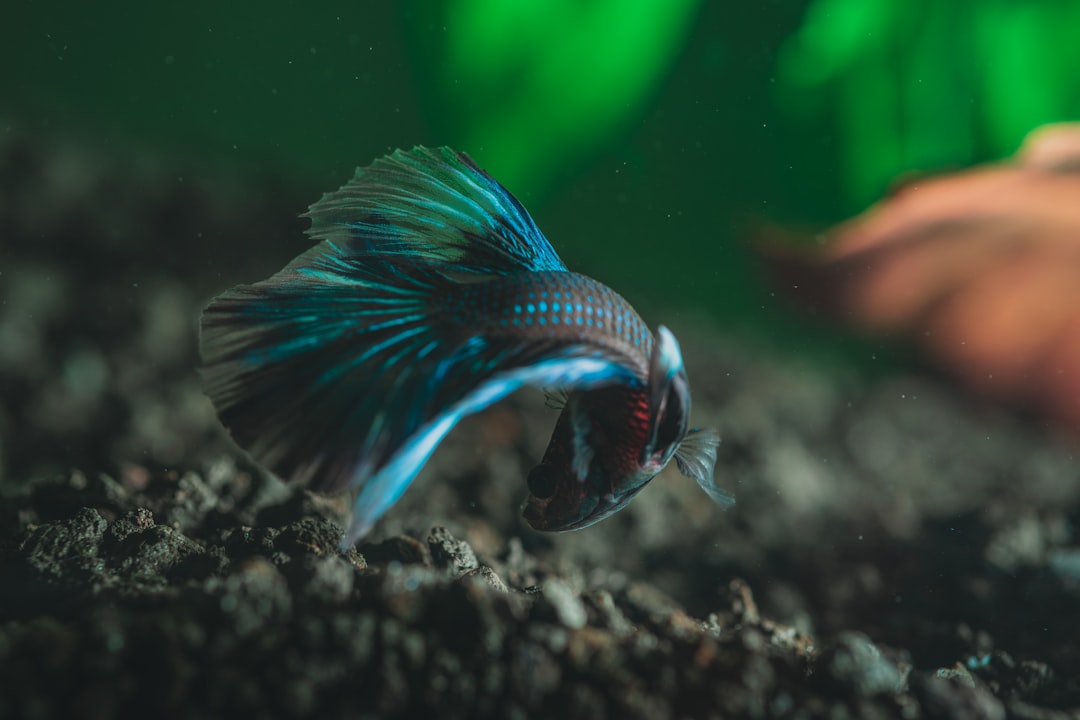
One of the most common questions new betta owners ask is: how long do betta fish live? The answer might surprise you — with proper care, bettas can live significantly longer than most people expect. But there is a catch, and it starts before you even bring your fish home.
This guide covers the realistic betta fish lifespan, the factors that shorten or extend it, and practical steps you can take as a Singapore-based fishkeeper to give your betta the longest, healthiest life possible.
Average Betta Fish Lifespan
In optimal conditions, betta fish (Betta splendens) live 3 to 5 years. Some exceptional individuals have been reported to live 7 years or more, though this is rare.
However, the typical betta purchased from a pet shop in Singapore has a much shorter observed lifespan — often just 1 to 2 years in the owner’s care. This is not because bettas are inherently short-lived. It is because of two compounding factors: the fish’s age at purchase and the conditions it is kept in.
The Age Factor: Your Betta Is Older Than You Think
Here is something most new owners do not realise: the betta you buy from a Singapore pet shop is typically already 6 to 12 months old. Male bettas are not sold until their fins have fully developed and their colours are vibrant, which happens around 4-6 months of age. Add the time spent in breeding facilities, shipping from Thailand or local breeders, and sitting in shop displays, and your “new” betta may have already lived a quarter to a third of its total lifespan.
This means that if your betta lives another 2-3 years in your care, it has actually lived a full 3-4 year lifespan. That is perfectly normal and healthy.
Factors That Affect Betta Fish Lifespan
1. Tank Size
Bettas kept in small, unfiltered bowls rarely live past 1-2 years total. The limited water volume means waste builds up rapidly, ammonia spikes are constant, and the fish lives in a state of chronic stress. A proper tank of 20 litres or more with filtration can add years to your betta’s life. See our betta tank setup guide for detailed recommendations.
2. Water Quality
This is the single most important factor. Consistently clean, properly cycled water with zero ammonia and nitrite is non-negotiable. In Singapore, our PUB tap water is generally suitable for bettas after treatment with a chloramine-neutralising conditioner. Regular 20-30% weekly water changes keep conditions optimal.
Common water quality mistakes that shorten lifespan:
- Skipping the nitrogen cycle when setting up a new tank
- Irregular or infrequent water changes
- Using untreated tap water (chloramine is toxic to fish)
- Overfeeding, which fouls the water
3. Temperature Stability
Bettas are tropical fish that thrive between 24-28 degrees Celsius. In Singapore, this is rarely a problem in rooms without air conditioning — our ambient temperatures sit comfortably in this range.
However, temperature swings in air-conditioned rooms are a genuine concern. A tank that drops to 22 degrees Celsius when the AC is running and climbs to 29 degrees when it is off is subjecting your betta to daily thermal stress. Over months, this weakens the immune system and shortens lifespan. If your betta lives in an AC room, invest in a small adjustable heater to maintain consistency.
4. Diet and Nutrition
Bettas are primarily carnivorous. A diet of high-quality betta pellets supplemented with frozen or freeze-dried bloodworms, brine shrimp, and daphnia supports longevity. Avoid:
- Cheap, filler-heavy pellets (wheat and soy as first ingredients)
- Overfeeding (a betta’s stomach is roughly the size of its eye)
- Feeding only one type of food
- Relying on flake food, which bettas often ignore and which fouls water quickly
One fasting day per week helps prevent constipation and bloating, common issues in bettas.
5. Genetics
This is the factor you have least control over. Heavily inbred lines, particularly those bred for extreme fin length or unusual colours, may carry genetic predispositions to tumours, organ failure, or weakened immune systems. Wild-type and plakat (short-finned) bettas tend to be hardier and longer-lived than elaborate long-finned varieties.
Purchasing from reputable breeders rather than mass-produced farm stock gives you a better chance at a genetically healthy fish. Our guide on betta fish types covers the differences between varieties in more detail.
6. Stress
Chronic stress is a silent killer. Sources of stress for bettas include:
- Seeing their own reflection constantly (common with bare, well-lit tanks near walls)
- Aggressive or fin-nipping tank mates
- No hiding spots or cover in the tank
- Excessive handling or tapping on the glass
- Constant loud noise or vibrations near the tank
- Bright lights with no shaded areas
Signs of Aging in Betta Fish
As bettas age, you will notice gradual changes. These are normal and not necessarily signs of illness:
- Reduced activity: Older bettas swim less and rest more, often lying on leaves or the substrate
- Fading colours: Vibrant colours gradually become duller or muted
- Fin deterioration: Fins may develop small tears or become ragged, even without fin rot
- Reduced appetite: Interest in food decreases, and the fish may eat less per feeding
- Slower responses: Reaction to stimuli becomes less immediate
- Weight loss: Slight thinning is normal in very old bettas
- Curved spine: A developing curve in the spine is common in bettas over 3 years old
If these changes happen gradually over months, they are likely age-related. Sudden changes, however, warrant investigation for illness.
Common Causes of Premature Death
Understanding what kills bettas prematurely helps you avoid these pitfalls:
Ammonia Poisoning
The number one killer, especially in new, uncycled tanks or unfiltered bowls. Symptoms include lethargy, loss of appetite, red or inflamed gills, and gasping at the surface.
Temperature Shock
Sudden temperature changes of more than 2-3 degrees, often caused by large water changes with unmatched water temperature, or AC units cycling on and off.
Disease from Poor Conditions
Fin rot, ich (white spot), velvet, and bacterial infections are almost always secondary to poor water quality or stress. A betta in clean, warm, stable water with a good diet is remarkably disease-resistant.
Jumping
An overlooked but common cause of death. Bettas jump, and open-top tanks without adequate freeboard or a lid claim many lives. This is entirely preventable.
Overmedication
Well-meaning owners sometimes dose medications at the first sign of trouble, or use multiple medications simultaneously. This can do more harm than good. Clean water and stable conditions resolve many issues on their own.
How to Extend Your Betta’s Lifespan
Putting it all together, here is a practical checklist for maximising your betta’s years:
- Start with a proper tank. 20 litres minimum, with a filter, lid, and heater if needed.
- Cycle before adding fish. Patience here pays off enormously.
- Maintain consistent water quality. Weekly 20-30% water changes with treated water.
- Keep temperature stable. Use a heater in AC rooms.
- Feed a varied, high-quality diet. Small amounts, twice daily, with one fast day per week.
- Add live plants. They improve water quality and provide enrichment and resting spots.
- Minimise stress. Provide hiding spots, avoid aggressive tank mates, keep the tank in a calm location.
- Observe daily. Catching problems early — changes in behaviour, appetite, or appearance — allows you to intervene before conditions become critical.
Making the Most of Your Betta’s Life
While we cannot control genetics or the age of the fish when we acquire it, we absolutely can control the environment we provide. A well-maintained, properly set up betta tank gives your fish the best possible chance at a full, healthy lifespan.
If you are setting up a new betta tank or upgrading from a bowl, Gensou can help. Our shop carries everything from nano tanks to premium betta foods and live plants. For a custom-designed betta setup tailored to your space, explore our aquascaping services. And if you have questions about your betta’s health or behaviour, do not hesitate to contact us.



