
Shrimp Tank Setup: Complete Beginner’s Guide
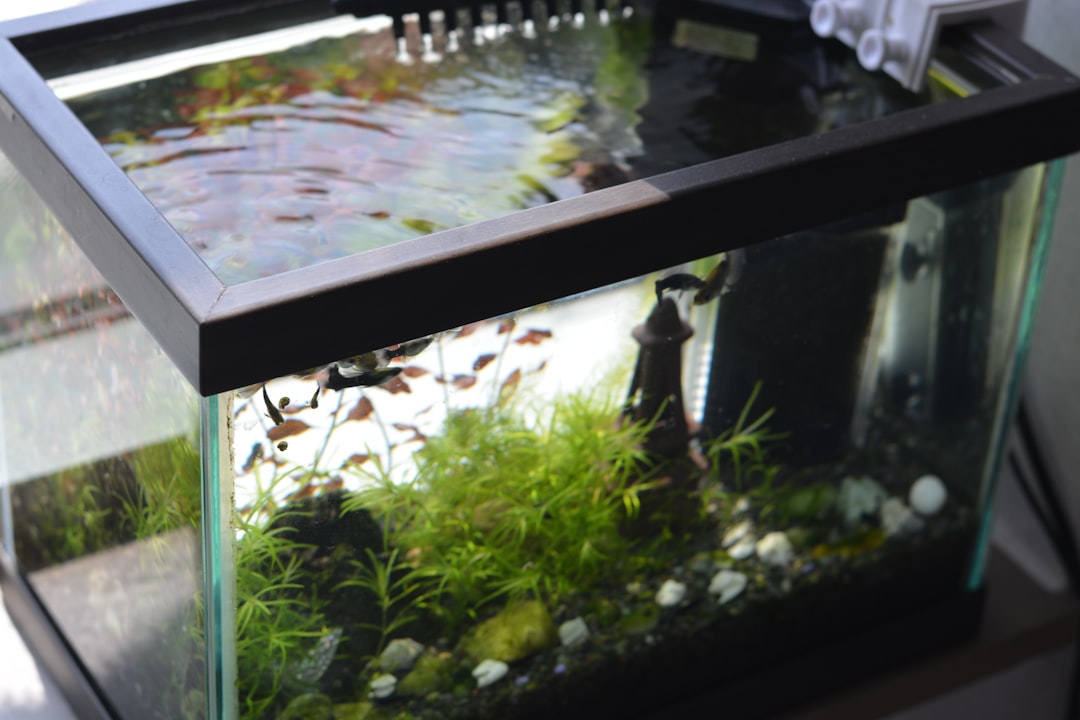
Shrimp keeping has exploded in popularity in Singapore, and it is easy to understand why. A well-set-up shrimp tank is a mesmerising miniature ecosystem — watching a colony of colourful shrimp graze across moss-covered driftwood is endlessly relaxing. Better still, shrimp tanks are compact, relatively low-maintenance, and perfect for desks and small spaces.
But shrimp are not fish. They have specific needs, and skipping key steps during setup is the fastest way to lose an entire colony. This guide walks you through everything you need to know to set up a thriving freshwater shrimp tank in Singapore.
Choosing Your Shrimp Species
Before buying any equipment, decide which species you want to keep. This choice dictates your substrate, water parameters, and overall approach.
Neocaridina (Beginner-Friendly)
Neocaridina davidi — commonly known as cherry shrimp — are the best starting point. They are hardy, tolerant of a wide range of water parameters, and breed readily in captivity. Available in many colour varieties: red, blue, orange, yellow, green, and black.
For a deep dive into Neocaridina care, read our cherry shrimp care guide.
Singapore advantage: PUB tap water (after chloramine treatment) has a pH and hardness range that suits Neocaridina well. You can keep these shrimp without any water remineralisation or special treatment beyond a standard dechlorinator.
Caridina (Intermediate to Advanced)
Caridina species, including Crystal Red Shrimp (CRS), Crystal Black Shrimp (CBS), Taiwan Bee, and Shadow shrimp, display stunning colours and patterns but require much more specific water conditions. They need soft, acidic water with low TDS.
Singapore consideration: PUB tap water is generally too hard and alkaline for Caridina species. You will need an RO (reverse osmosis) water system and remineralising salts to create suitable water. This adds cost and complexity. If you are a first-time shrimp keeper, start with Neocaridina and graduate to Caridina once you are comfortable with the basics.
Amano Shrimp
Amano shrimp (Caridina multidentata) are the largest commonly kept dwarf shrimp and are phenomenal algae eaters. They are hardy and tolerant of a wide range of conditions. However, they cannot be bred in freshwater — their larvae require brackish water. For detailed care information, see our Amano shrimp care guide.
Tank Size and Selection
Shrimp have a tiny bioload, which means you can keep them in smaller tanks than you would use for fish. That said, smaller tanks are less stable, and stability is what shrimp care is all about.
Recommended Tank Sizes
- Minimum: 10-15 litres for a small Neocaridina colony (10-15 shrimp to start)
- Ideal for beginners: 20-40 litres. More water volume means more buffer against parameter swings
- Caridina tanks: 40 litres or more recommended due to their sensitivity to fluctuations
Nano rimless tanks are the most popular choice for shrimp keeping. They look clean, are widely available in Singapore, and come in sizes perfect for desktops and shelves.
The Critical Importance of Cycling
If there is one section of this guide you must not skip, it is this one. Shrimp are significantly more sensitive to ammonia and nitrite than most fish. Even trace levels that a hardy fish might tolerate can kill shrimp within hours.
How to Cycle a Shrimp Tank
- Set up the tank completely — substrate, hardscape, filter, plants, and water
- Add an ammonia source. A pinch of fish food or pure ammonia drops. With aquasoil, the substrate itself leaches ammonia for the first few weeks, which kickstarts the cycle naturally
- Run the tank for 4-6 weeks. Yes, this is longer than a typical fish tank cycle. Shrimp keepers generally wait longer to ensure the cycle is rock-solid and the tank has developed biofilm for the shrimp to graze on
- Test regularly. Ammonia and nitrite must both read zero for at least a full week before adding shrimp. Use a liquid test kit, not test strips
- Beneficial bacteria products can help accelerate the process, as can adding a small amount of established filter media from an existing tank
In Singapore’s warm ambient temperatures, bacterial colonisation happens faster than in cooler climates, but do not rush it. A fully cycled, mature tank is the foundation of successful shrimp keeping.
Substrate Selection
Your substrate choice is one of the most consequential decisions in setting up a shrimp tank, and it depends on your chosen species.
Active Substrate (Aquasoil)
Active substrates like ADA Amazonia, Tropica Soil, or UNS Controsoil actively buffer the water to a lower pH and softer conditions. They are essential for Caridina species and work well for planted tanks in general.
- Pros: Buffers pH, supports plant growth, provides ideal conditions for Caridina
- Cons: Leaches ammonia initially (extends cycling time), eventually exhausts its buffering capacity (typically 12-18 months), higher cost
Inert Substrate (Sand, Gravel)
Inert substrates do not alter water chemistry. They are a perfectly good choice for Neocaridina tanks.
- Pros: Affordable, never exhausts, does not leach ammonia, easy to clean
- Cons: Provides no buffering, limited nutrient content for plants (root tabs can supplement)
Recommendation for beginners: If keeping Neocaridina, fine gravel or sand is perfectly fine. If keeping Caridina, invest in a quality aquasoil from the start.
Plants and Moss for Shrimp Tanks
Plants are not optional in a shrimp tank — they are a core component. They provide grazing surfaces, hiding spots for juveniles, water filtration, and oxygen. Mosses are particularly important.
Essential: Mosses
Every shrimp tank should have at least one type of moss. Moss provides the perfect environment for baby shrimp to hide and graze on biofilm and microorganisms. Without moss, juvenile survival rates drop significantly.
- Java Moss: The classic. Hardy, fast-growing, widely available
- Christmas Moss: Neater growth pattern with a branching, tree-like structure
- Weeping Moss: Cascading growth, beautiful on driftwood
- Fissidens: Premium moss with a distinctive appearance. Slower growing
Recommended Plants
- Bucephalandra: Epiphyte that attaches to hardscape. Shrimp graze on its leaves constantly
- Anubias Petite: Compact, hardy, and shrimp-safe
- Java Fern: Easy and undemanding. Attach to wood or rocks
- Subwassertang: A liverwort that looks like seaweed. Shrimp adore it
- Floating plants: Frogbit, Salvinia, or Red Root Floaters. Provide shade and absorb excess nutrients
Check out our plant selection for tissue culture and potted plants that are pesticide-free and safe for shrimp.
Water Parameters and Singapore-Specific Advice
Neocaridina Parameters
- Temperature: 20-28 degrees Celsius
- pH: 6.5-8.0
- GH: 6-12 dGH
- KH: 2-8 dKH
- TDS: 150-300 ppm
Caridina Parameters
- Temperature: 20-24 degrees Celsius (may need a chiller in Singapore)
- pH: 5.5-6.5
- GH: 4-6 dGH
- KH: 0-1 dKH
- TDS: 100-150 ppm
The Chloramine Warning
This cannot be overstated: Singapore’s PUB tap water contains chloramine. Unlike chlorine, chloramine does not dissipate by leaving water out. You must treat every water change with a conditioner that neutralises chloramine. Seachem Prime is the most popular choice among local shrimp keepers. Failing to treat water is the single most common cause of sudden mass shrimp deaths.
Copper in Tap Water
Shrimp are extremely sensitive to copper, and trace amounts can be lethal. Copper can leach into tap water from old plumbing. If your building has older copper pipes, consider running the tap for 30 seconds before collecting water for your tank, or use an RO system. Avoid any medications or fertilisers containing copper in a shrimp tank.
Filtration for Shrimp Tanks
Sponge filters are the default choice for shrimp tanks. They provide excellent biological filtration, are completely shrimp-safe (no intake to suck up babies), and the sponge surface itself becomes a grazing ground for shrimp.
If you prefer a cleaner look, small canister filters or hang-on-back filters work well with a pre-filter sponge over the intake. Ensure the flow is gentle — shrimp do not appreciate strong currents.
Feeding Your Shrimp
In a mature, well-planted tank, shrimp find much of their own food from biofilm, algae, and decomposing plant matter. Supplemental feeding supports colony health and growth but should be moderate.
Recommended Foods
- Commercial shrimp foods: Shrimp King, GlasGarten, Borneo Wild pellets and sticks
- Blanched vegetables: Spinach, zucchini, sweet potato (remove uneaten portions after a few hours)
- Biofilm enhancers: Bacter AE or similar products that boost biofilm growth
- Mineral supplements: Especially important for successful moulting
Feed small amounts every 1-2 days. Overfeeding is far more dangerous than underfeeding — excess food decomposes and spikes ammonia, which is lethal to shrimp.
Breeding Basics
Neocaridina shrimp breed readily in freshwater without any special intervention. If your parameters are stable and the colony is healthy, breeding will happen on its own. Females carry eggs for about 28-35 days before releasing miniature versions of the adults.
Key factors for successful breeding:
- Stable, consistent water parameters (avoid large or frequent water changes)
- Plenty of moss and hiding spots for juveniles
- A colony of at least 10-15 shrimp to ensure both sexes are present
- A mature tank with established biofilm (baby shrimp feed on biofilm almost exclusively for the first few weeks)
- Avoid keeping shrimp with fish that will eat the babies
Caridina breeding follows similar principles but requires much tighter parameter control. The difficulty and reward are both higher.
Setting Up Your First Shrimp Tank
Shrimp keeping is one of the most rewarding niches in the aquarium hobby. The combination of vibrant colours, fascinating behaviour, and compact tank sizes makes it accessible and addictive. Start with Neocaridina, take the cycling process seriously, and you will be rewarded with a thriving, self-sustaining colony.
Gensou stocks everything you need to get started — from nano tanks and shrimp-safe plants to quality substrates and shrimp foods. Browse our online shop or explore our custom aquascaping services for a professionally designed shrimp tank. If you have questions or need advice on your setup, contact us — we are always happy to help fellow shrimp keepers in Singapore.



