
Amazon Sword Care Guide: The Classic Centrepiece Plant
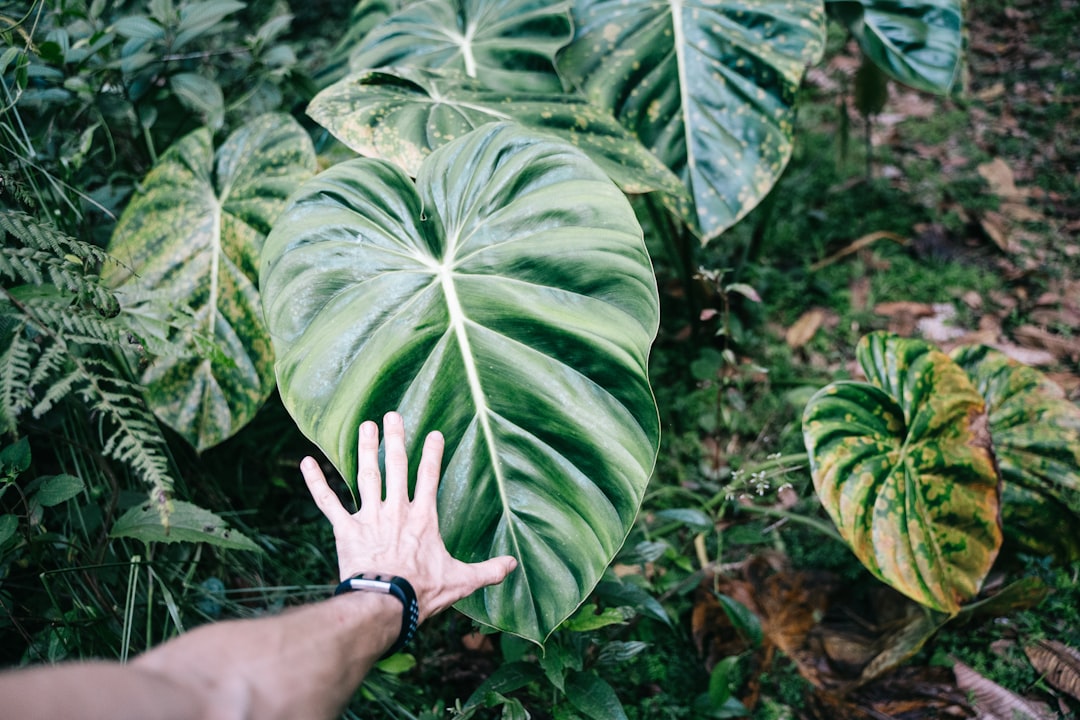
The Amazon sword is one of the most iconic aquarium plants in the hobby. With its broad, lush green leaves radiating from a central rosette, a mature Amazon sword creates a stunning focal point that anchors any aquascape. These plants from the Echinodorus genus are hardy, undemanding and capable of growing impressively large — sometimes filling half the tank if given the chance. However, successful Amazon sword aquarium plant care hinges on understanding one critical factor: this is a heavy root feeder that demands nutrition from the substrate, not the water column. This guide covers everything you need to grow thriving Amazon swords in Singapore.
Species and Varieties
The term “Amazon sword” is used broadly to describe several species and cultivars within the Echinodorus genus. The most commonly encountered in aquarium shops include:
| Species/Variety | Common Name | Max Size | Leaf Shape | Notes |
|---|---|---|---|---|
| E. bleheri | Amazon sword | 40 – 50 cm | Broad, elongated | The classic variety; most widely sold |
| E. amazonicus | Narrow-leaf Amazon sword | 40 – 50 cm | Narrower, more pointed | Often confused with E. bleheri |
| E. grisebachii ‘Bleherae’ | Large Amazon sword | 50 – 60 cm | Very broad | Particularly imposing specimen plant |
| E. parviflorus | Tropica sword | 15 – 25 cm | Compact, dark green | Best for smaller tanks |
| E. cordifolius | Radican sword | 40 – 60 cm | Heart-shaped | Distinctive leaf shape |
| E. ‘Ozelot’ | Ozelot sword | 30 – 40 cm | Speckled red-brown spots | Attractive patterned leaves |
| E. ‘Red Flame’ | Red Flame sword | 25 – 35 cm | New leaves emerge red | Striking colour accent |
For most community aquariums, the standard E. bleheri is the go-to choice. It is widely available, affordable and robust. If space is limited, consider the smaller E. parviflorus, which stays more compact while offering the same iconic sword plant look.
Water Parameters
Amazon swords are notably tolerant of a wide range of water conditions, which is part of their enduring popularity:
| Parameter | Ideal Range | Notes |
|---|---|---|
| Temperature | 22 – 30 °C | Perfectly suited to Singapore ambient temperature |
| pH | 6.0 – 7.5 | Prefers slightly acidic to neutral |
| GH (General Hardness) | 3 – 15 dGH | Adapts to soft and moderately hard water |
| KH (Carbonate Hardness) | 3 – 12 dKH | Moderate buffering preferred |
Singapore’s PUB tap water (pH 7 to 8, moderate hardness) is acceptable for Amazon swords, though they tend to perform best in slightly softer, more acidic conditions. Adding driftwood or Indian almond leaves can help bring the pH down slightly if desired.
Lighting and CO2
Amazon swords are moderate in their lighting requirements:
- Light: Moderate light (30 to 50 PAR at substrate level) produces the best growth. Under low light, Amazon swords survive but grow slowly and may produce smaller, paler leaves. Under high light without sufficient nutrients, they become prone to algae on their broad leaf surfaces.
- CO2: Not required, but supplementation noticeably accelerates growth and produces larger, more vibrant leaves. Amazon swords are excellent candidates for low-tech planted tanks, though they respond very well to CO2 injection.
If you are running a low-tech setup without CO2, an Amazon sword will still grow — just more slowly and with somewhat smaller leaves than in a high-tech environment.
Substrate and Root Feeding
This is the single most important aspect of Amazon sword care. Amazon swords are heavy root feeders. They draw the vast majority of their nutrition through their extensive root system, not through their leaves from the water column. A liquid fertiliser alone will not sustain an Amazon sword long-term.
To ensure healthy growth:
- Nutrient-rich substrate — Aquasoils like ADA Amazonia or Tropica Aquarium Soil provide an excellent foundation. Amazon swords planted in inert gravel or sand without root fertilisation will slowly decline.
- Root tabs — If using an inert substrate, root tabs are essential. Insert one or two tabs near the base of the plant every six to eight weeks. Brands like Seachem Flourish Tabs, Tropica Capsules or API Root Tabs all work well.
- Key nutrients — Amazon swords are particularly hungry for iron (Fe), potassium (K) and nitrogen. Iron deficiency shows as pale or yellowish new leaves, while potassium deficiency causes pinholes in older leaves.
A common mistake is planting an Amazon sword in plain gravel, adding only liquid fertiliser and wondering why the plant slowly deteriorates. The answer is almost always insufficient root nutrition.
Planting and Placement
Planting an Amazon sword correctly sets it up for long-term success:
- Remove the pot and rockwool. Nursery plants are typically sold in small plastic pots filled with rockwool. Carefully remove all of this material, gently teasing the roots free.
- Trim the roots. Cut the roots back to about 4 to 5 centimetres. This encourages fresh root growth in your substrate.
- Dig a hole deep enough to accommodate the trimmed roots.
- Plant at the correct depth. The crown — the point where the leaves emerge from the root structure — must remain above the substrate. Buried crowns rot. Only the roots should be covered.
- Firm the substrate gently around the base.
Regarding placement, keep in mind that a mature Amazon sword can reach 40 to 50 centimetres in height and spread to 30 centimetres or more in diameter. Place it in the background or midground of your tank, ideally slightly off-centre for a natural look. Avoid placing it directly under a filter outflow, as constant strong current can damage the broad leaves.
Amazon swords make outstanding centrepiece plants, providing a lush green backdrop behind smaller foreground plants and driftwood arrangements.
Emersed to Submersed Transition
Many Amazon swords sold in aquarium shops are grown emersed — that is, above water in humid greenhouse conditions. Emersed-grown leaves are typically rounder, stiffer and darker green than submersed (underwater) leaves. When you plant an emersed-grown Amazon sword underwater, expect the following:
- The existing leaves will gradually die off. They may turn yellow, brown or translucent over two to six weeks. This is completely normal and not a cause for alarm.
- New submersed leaves will emerge from the centre of the rosette. These new leaves are typically longer, narrower and lighter green than the emersed growth.
- The transition takes four to eight weeks. During this period, the plant may look rough, but it is investing energy into new root growth and submersed leaf production.
Do not remove the plant during this transition. Continue providing root nutrition and moderate lighting. Once the new submersed leaves appear, growth typically accelerates rapidly. Many aquarists remove the dying emersed leaves as they yellow to keep the tank looking tidy, which is perfectly fine.
Propagation
Amazon swords propagate primarily through adventitious plantlets produced on long runners (flower stalks). A healthy, mature plant will periodically send up a long stem that may reach the water surface. Along this stem, small plantlets develop at intervals, each producing its own leaves and roots.
To propagate:
- Allow the plantlets to develop several leaves and visible roots (at least 3 to 4 centimetres long).
- Cut the runner stem on either side of the plantlet.
- Plant the individual plantlet in the substrate, following the same planting technique described above.
You can also leave the runner attached, allowing plantlets to root into the substrate naturally while still connected to the mother plant. Some aquarists deliberately guide runners to specific locations in the tank to position new plants where they want them.
Amazon swords can also be propagated by dividing the rhizome of a very large, mature plant, though this is less common and riskier than using runners.
Trimming and Maintenance
Regular maintenance keeps your Amazon sword looking its best:
- Remove old outer leaves — the oldest leaves are the outermost ones. When they yellow, develop holes or become heavily covered in algae, cut them at the base with sharp scissors. This redirects the plant’s energy to producing new leaves from the centre.
- Thin if overcrowded — a very large Amazon sword can shade out neighbouring plants. Remove excess leaves to allow light penetration.
- Clean leaf surfaces — broad Amazon sword leaves are magnets for algae, particularly in tanks with high light and excess nutrients. Gently wiping leaves with your fingers during water changes removes accumulated debris and algae.
- Replace root tabs — refresh root tabs every six to eight weeks for continuous nutrition.
Common Problems
Yellowing Leaves
If new leaves emerge yellow or pale green, the most common cause is iron deficiency. Add iron-rich root tabs and consider supplementing with a liquid iron fertiliser. If old leaves are yellowing while new leaves are green, this is normal — the plant is redirecting nutrients from old growth to new.
Pinholes in Leaves
Small holes appearing in leaves, especially older ones, typically indicate potassium deficiency. A potassium-containing liquid fertiliser or comprehensive root tabs should resolve this. See our plant deficiency guide for detailed symptom diagnosis.
Algae on Leaves
The broad, relatively slow-growing leaves of Amazon swords are prone to algae, particularly green spot algae and brown diatoms. Ensure your lighting duration is not excessive (eight hours maximum), avoid overfeeding fish and consider adding algae-eating species like Otocinclus catfish or nerite snails to keep leaf surfaces clean.
Plant Growing Too Large
A thriving Amazon sword can outgrow its tank surprisingly quickly. If the plant becomes too large, you can trim outer leaves to reduce its footprint, or propagate it and replace the mother plant with a smaller daughter plant. Alternatively, relocate it to a larger aquarium.
Singapore-Specific Considerations
Amazon swords do well in Singapore conditions. Our ambient temperatures of 28 to 30 degrees Celsius sit comfortably within their range. PUB tap water is suitable, though slightly softer water brings out the best growth. A piece of driftwood in the tank naturally softens water over time and provides an attractive complement to the sword plant.
Amazon swords are widely available and affordably priced at aquarium shops across Singapore. They are among the easiest centrepiece plants for beginners to grow, requiring nothing more than a basic light, root tabs and regular water changes.
Frequently Asked Questions
Why are my Amazon sword’s leaves melting?
If you have recently purchased the plant, leaf melt is almost certainly the emersed-to-submersed transition. The existing leaves die back while the plant produces new underwater-adapted growth. This is normal and typically lasts four to eight weeks. Leave the plant in place and ensure adequate root nutrition.
Does an Amazon sword need CO2?
No. Amazon swords grow well without CO2 injection, making them excellent for low-tech aquariums. CO2 supplementation accelerates growth and can produce larger, more vibrant leaves, but it is not a requirement. Root nutrition is far more important than CO2 for this species.
How big do Amazon swords get?
The standard Amazon sword (E. bleheri) typically reaches 40 to 50 centimetres in height and can spread 25 to 35 centimetres wide in a well-maintained aquarium. Some varieties like E. cordifolius can grow even larger. For smaller tanks, choose the compact E. parviflorus, which stays around 15 to 25 centimetres.
Can I grow Amazon swords in gravel?
Yes, but only with regular root tab supplementation. Amazon swords are heavy root feeders and will not thrive in plain gravel without a nutrient source at their roots. Insert root tabs near the base of the plant every six to eight weeks. For the easiest results, use a nutrient-rich aquasoil substrate instead.
Ready to add an Amazon sword or other beautiful plants to your aquarium? Visit the Gensou shop at 5 Everton Park for healthy, locally acclimated aquarium plants. If you need help designing a planted tank, our team offers custom aquarium design and ongoing maintenance services to keep your aquascape looking its best.
Related Reading



