
Vallisneria Care Guide: The Easy Background Plant
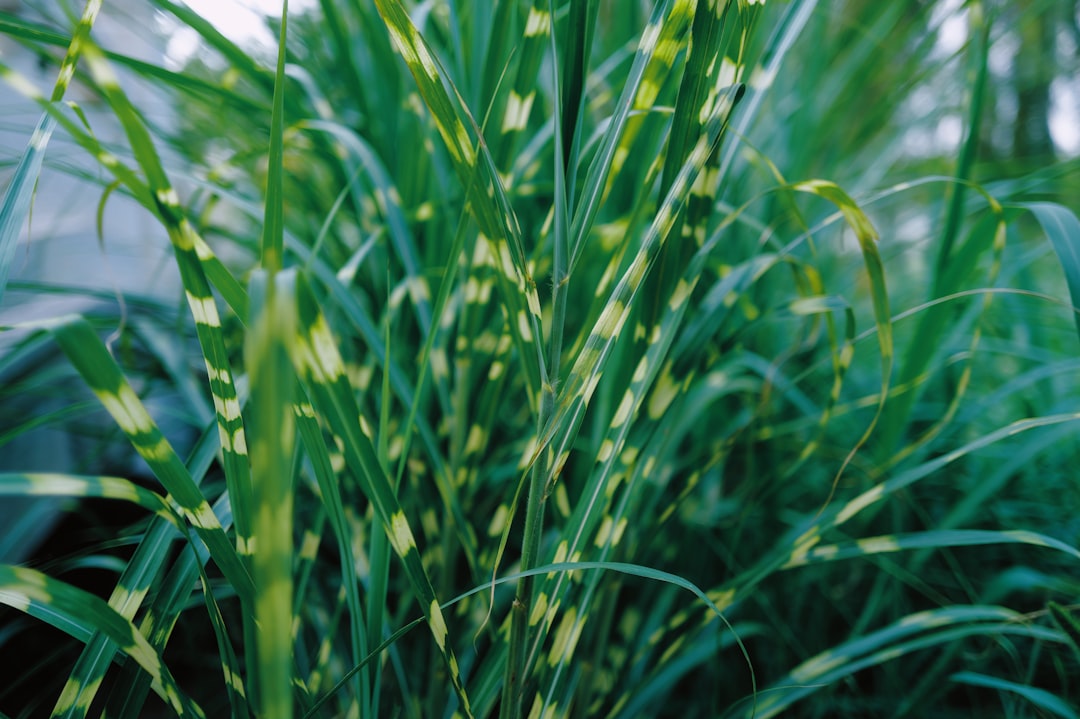
If you want a lush, flowing background in your aquarium without the fuss of high-tech equipment, vallisneria is your plant. Known affectionately as “val” among aquarists, this genus of aquatic grasses has been a staple of planted tanks for over a century — and for good reason. Vallisneria is among the hardiest, most forgiving aquarium plants available: it tolerates low light, does not require CO2 injection, propagates vigorously through runners and thrives in a wide range of water conditions. For Singapore aquarists, this vallisneria aquarium plant guide covers everything from species selection to controlling its enthusiastic spread. This guide sits inside our broader Planted Tank Complete Hub reference.
Species Overview
Vallisneria is a genus of submerged aquatic plants found on every continent except Antarctica. Several species and varieties are popular in the aquarium hobby, each with slightly different characteristics:
| Species/Variety | Common Name | Leaf Width | Max Height | Growth Rate | Notes |
|---|---|---|---|---|---|
| V. spiralis | Straight vallisneria | 5 – 10 mm | 40 – 60 cm | Fast | Classic variety, slightly twisted leaves |
| V. americana var. gigantea | Giant vallisneria | 10 – 25 mm | 100+ cm | Fast | Very large; suited to big tanks |
| V. nana | Dwarf vallisneria | 3 – 5 mm | 15 – 30 cm | Moderate | Compact; works in smaller tanks |
| V. spiralis ‘Tiger’ | Tiger vallisneria | 5 – 10 mm | 40 – 50 cm | Moderate | Attractive dark striping on leaves |
| V. americana var. biwaensis | Corkscrew vallisneria | 5 – 10 mm | 30 – 50 cm | Moderate | Distinctly twisted, corkscrew leaves |
For most home aquariums, V. spiralis and its varieties offer the best balance of size and vigour. V. nana is excellent for nano tanks or midground placement, while V. americana var. gigantea is best reserved for tanks taller than 50 centimetres, as its leaves can easily reach a metre or more.
Water Parameters
One of vallisneria’s greatest strengths is its remarkable tolerance of a wide range of water conditions. It is one of the few aquarium plants that actually prefers harder, more alkaline water — the opposite of what many plants demand.
| Parameter | Ideal Range | Notes |
|---|---|---|
| Temperature | 20 – 30 °C | Handles Singapore ambient temperatures perfectly |
| pH | 6.5 – 8.5 | Prefers neutral to alkaline; thrives in Singapore tap water |
| GH (General Hardness) | 4 – 20 dGH | Tolerates hard water very well |
| KH (Carbonate Hardness) | 3 – 15 dKH | Appreciates moderate to high buffering |
This affinity for harder, alkaline water makes vallisneria an outstanding choice for Singapore aquariums running on PUB tap water (pH 7 to 8, moderate hardness). While many popular plants struggle in our water without modification, vallisneria positively thrives in it. It is also a reliable plant for African cichlid tanks, where the high pH and hardness rule out most other plant species.
Lighting and CO2
Vallisneria is a genuinely low-demand plant when it comes to lighting and carbon supplementation:
- Lighting: Low to moderate light (20 to 40 PAR at substrate level) is perfectly sufficient. Under higher light, growth is faster and leaves may develop more compact growth patterns. Even basic aquarium kit lights will grow vallisneria successfully.
- CO2: Not required. Vallisneria grows well without CO2 injection, making it ideal for low-tech setups. If you do run CO2, growth will accelerate further, but it is by no means necessary.
- Fertilisation: Vallisneria is primarily a root feeder. Nutrient-rich substrates or root tabs provide the best results. Liquid fertilisers help but are secondary to root nutrition.
The Liquid Carbon Warning
One crucial point for vallisneria keepers: this plant is notoriously sensitive to liquid carbon products (glutaraldehyde-based supplements like Seachem Flourish Excel and its equivalents). Many aquarists have reported vallisneria melting entirely after dosing liquid carbon, even at recommended levels. If you keep vallisneria, avoid liquid carbon products or dose very conservatively at half the recommended rate. For algae control, consider alternative methods instead — our guide on getting rid of algae covers several options that are safe for vallisneria.
Planting Technique
Proper planting is important for vallisneria to establish quickly and grow well:
- Prepare the plant. Remove any dead or yellowing leaves. Trim the roots to about 3 to 4 centimetres in length — this encourages fresh root growth.
- Create a small hole in the substrate using your finger or a pair of tweezers.
- Insert the plant so that the roots are buried but the crown (the white base where the leaves emerge) remains above the substrate surface. Burying the crown will cause the plant to rot.
- Gently firm the substrate around the roots. Vallisneria tends to float up if not properly anchored in the first few days.
- Space plants about 3 to 5 centimetres apart. They will fill in gaps quickly through runners.
A tip for keeping newly planted vallisneria in place: use a small stone or piece of lead plant weight at the base temporarily until the roots take hold, which typically takes one to two weeks.
Propagation and Growth
Vallisneria propagates almost exclusively through runners — horizontal stems that extend from the mother plant along or just beneath the substrate surface, producing daughter plants at intervals. A single healthy vallisneria plant can produce dozens of offspring over the course of a few months.
This is simultaneously one of vallisneria’s greatest strengths and its most notable challenge. In a well-lit, fertilised tank, vallisneria can spread aggressively, sending runners into every corner of the aquarium and forming a dense carpet of grass-like plants. This is wonderful if you want a lush background, but it can become invasive if left unchecked.
To control spread:
- Regularly pull up unwanted daughter plants before they establish strong root systems
- Use hardscape barriers (rocks, driftwood) to contain runners to specific areas
- Plant vallisneria behind a line of stones to create a natural boundary
- Remove runners as they appear if you want to keep the plant in a defined area
Vallisneria does not propagate through cuttings like stem plants. You cannot cut a leaf and replant it — only the runner-produced daughter plants will grow into new individuals.
Trimming
In most tanks, vallisneria will eventually grow tall enough for its leaves to reach the water surface and trail along it. This creates a beautiful, natural look but can block light to plants below. Trimming is straightforward but requires a note of caution:
- Method: Use sharp scissors to cut leaves to the desired length.
- Aesthetic concern: Cut vallisneria leaves develop brown, blunt tips that look somewhat unsightly. For the neatest appearance, trim individual leaves at the base rather than cutting them midway. However, this is more labour-intensive.
- Frequency: In a healthy tank, you may need to trim every two to four weeks, depending on growth rate.
Some aquascapers prefer to let vallisneria leaves flow across the surface, creating a canopy effect. This looks stunning and provides shade-loving fish with a sense of security, but monitor light levels reaching other plants below.
Common Problems
Melting After Planting
It is very common for vallisneria to melt back after being introduced to a new tank. The existing leaves may turn brown, become translucent and disintegrate over the first two to four weeks. This is normal — the plant is adapting to new water conditions, lighting and substrate. Do not remove the plant. New leaves will typically emerge from the crown within one to three weeks, adapted to your specific tank conditions. This phenomenon is especially common with plants grown emersed (above water) in nurseries.
Not Growing or Stunted
If your vallisneria is alive but not growing vigorously, the most likely causes are:
- Insufficient root nutrition — add root tabs near the base
- Very soft, acidic water — vallisneria dislikes very low pH (below 6.0) and extremely soft water
- Liquid carbon overdose — as discussed above, glutaraldehyde can harm or kill vallisneria
- Too little light — while tolerant of low light, extremely dim conditions will slow growth considerably
Yellowing Leaves
Yellowing typically indicates a nutrient deficiency, most commonly iron or potassium. Root tabs enriched with iron usually resolve this within a couple of weeks. For a comprehensive look at diagnosing plant issues, see our aquarium plant deficiency guide.
Tank Placement and Aquascaping
Vallisneria is most commonly used as a background plant, where its tall, flowing leaves create a green curtain effect along the back wall of the aquarium. This serves both aesthetic and practical purposes — it hides equipment, provides a sense of depth and gives fish cover.
Common aquascaping uses include:
- Full background curtain — plant densely across the entire back of the tank
- Side cluster — a dense group on one side for an asymmetric layout
- Midground accent — using V. nana for shorter coverage in the middle zone
- Natural biotope tanks — vallisneria features in Asian, African and South American biotopes
Vallisneria pairs beautifully with broad-leaved plants like Amazon swords in the midground and carpeting plants like Monte Carlo in the foreground, creating a layered, naturalistic look.
Singapore-Specific Considerations
Vallisneria is arguably one of the best aquarium plants for Singapore conditions. Our warm tap water temperature (27 to 30 degrees Celsius at the tap) and slightly alkaline pH are precisely what this plant prefers. It grows year-round without seasonal dormancy, and the lack of winter means continuous, vigorous growth.
Key advantages for Singapore aquarists:
- No heater, chiller or CO2 system needed
- PUB tap water parameters are ideal without modification
- Readily available and affordable at local aquarium shops
- Minimal equipment requirements make it perfect for low-tech HDB and condo setups
The only potential downside is that Singapore’s warmth can accelerate growth to the point where trimming becomes a weekly chore in well-fertilised tanks. Consider this a good problem to have.
Frequently Asked Questions
Why is my vallisneria melting?
Melting is extremely common when vallisneria is first introduced to a new tank. The plant is adjusting to different water chemistry, lighting and growing conditions. Leave it in place — new, adapted leaves will emerge from the crown within a few weeks. If melting occurs in an established plant, check whether you have recently started dosing liquid carbon (glutaraldehyde), which is toxic to vallisneria.
Can vallisneria grow in low light?
Yes. Vallisneria is one of the most light-tolerant aquarium plants available. It grows well under basic aquarium lighting without CO2 injection. Growth will be slower under very low light, but the plant will survive and gradually spread. It is an excellent choice for low-tech aquariums.
How do I stop vallisneria from taking over my tank?
Regular removal of runner-produced daughter plants is the most effective method. Pull up new plantlets before they develop strong root systems. You can also use physical barriers — a line of stones or a piece of plastic edging buried in the substrate — to prevent runners from spreading into unwanted areas. Alternatively, embrace the jungle look and share excess plants with fellow hobbyists.
Does vallisneria need root tabs?
Vallisneria is primarily a root feeder, so it benefits significantly from root tabs, especially in inert substrates like gravel or sand. Insert a root tab near the base of the plant every two to three months. In nutrient-rich substrates like aquasoil, additional root tabs may not be necessary initially but become helpful as the substrate depletes over time.
Looking for vallisneria or other easy-care aquarium plants? Visit the Gensou shop at 5 Everton Park for a wide selection of healthy aquatic plants, or contact us to discuss a custom planted aquarium designed by our team. With over 20 years of experience, we can help you create the perfect low-tech or high-tech setup for your space.
Related Reading
- Amazon Sword Care Guide: The Classic Centrepiece Plant
- Anubias Varieties Guide: Every Type Compared
- Cabomba Care Guide: Feathery Beauty With a Reputation
- Cryptocoryne Care Guide: Low-Light Plants That Thrive in Singapore
- Hornwort Care Guide: The Fast-Growing Water Purifier
With the basics of Vallisneria care in hand, you can let it take over the whole tank as a flowing jungle — our piece on aquascaping with Vallisneria only shows the way.



