
Otocinclus Care Guide: The Best Algae Eater for Planted Tanks
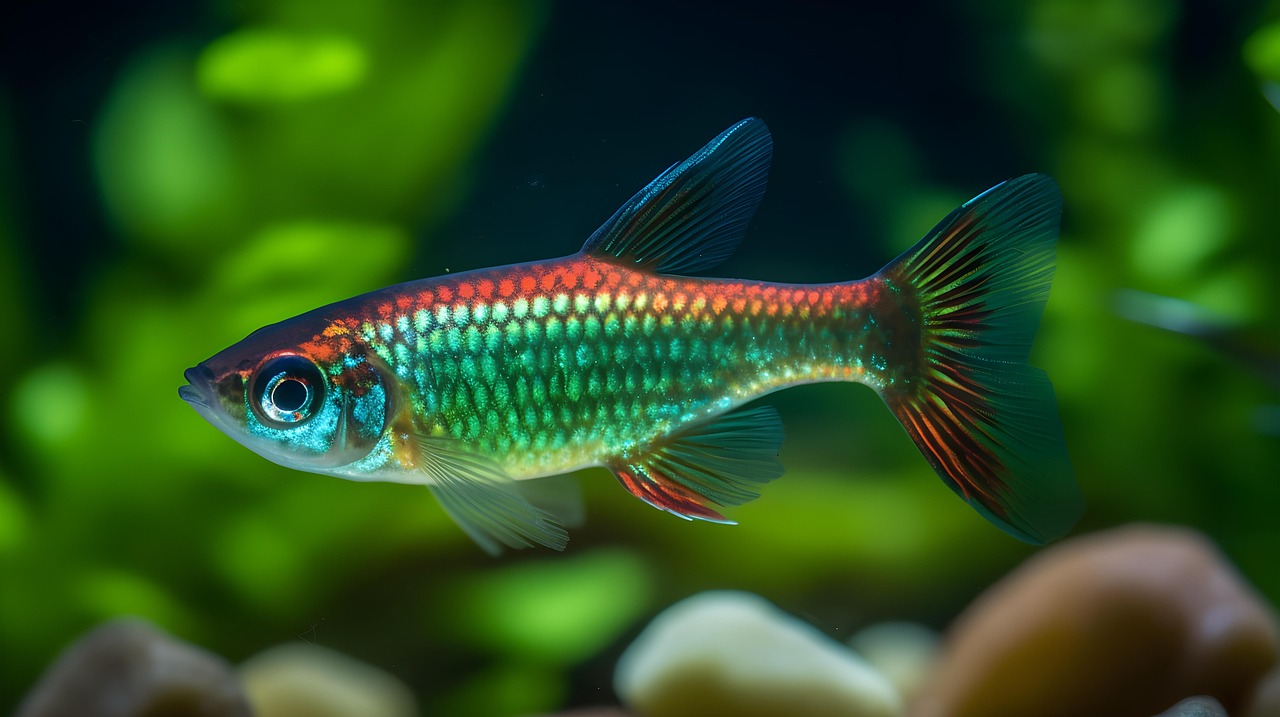
If you are looking for an algae eater that will not uproot your plants, bully your fish, or outgrow your tank, the otocinclus catfish is your answer. These small, unassuming catfish — often called “otos” — are widely regarded as the best algae-eating fish for planted aquariums. But they have a reputation for being delicate, and for good reason. This otocinclus care guide covers everything from acclimation to long-term feeding, helping you keep these wonderful little fish alive and thriving in Singapore. This guide sits inside our broader Freshwater Aquarium Complete Beginner Hub reference.
Species Overview
Otocinclus catfish belong to the family Loricariidae — the same family as plecos — but they stay tiny. The most commonly sold species is Otocinclus vittatus, though O. cocama (the zebra otocinclus) and O. macrospilus are also occasionally available. Most otos in the trade are wild-caught from South American rivers, which contributes to their initial fragility in captivity.
| Attribute | Details |
|---|---|
| Scientific name | Otocinclus spp. |
| Common names | Oto, otocinclus, dwarf suckermouth |
| Adult size | 3 – 5 cm |
| Lifespan | 3 – 5 years |
| Diet | Herbivore (primarily algae and biofilm) |
| Temperament | Extremely peaceful |
| Minimum group | 6 |
At just 3 to 5 centimetres fully grown, otos are among the smallest catfish in the hobby. Their olive-brown body with a dark lateral stripe is understated, but their value lies in what they do rather than how they look. A group of otos working their way across plant leaves, methodically cleaning every surface, is a sight that delights every planted tank enthusiast.
Algae-Eating Abilities
Otocinclus are specialist biofilm and soft algae grazers. Their small, sucker-like mouths are perfectly adapted for rasping thin layers of algae from plant leaves, glass, hardscape and equipment without causing any damage.
What Otos Eat
- Diatoms (brown algae): Their absolute favourite — otos will clear diatom-covered surfaces with remarkable efficiency
- Soft green algae: Thin films of green algae on glass and leaves
- Biofilm: The invisible-to-us layer of microorganisms that grows on all submerged surfaces
What Otos Will Not Eat
- Green spot algae (GSA): Too hard for their mouths
- Black beard algae (BBA): Not palatable to them
- Staghorn algae: Generally ignored
- Hair algae: Only consumed if very young and soft
For tougher algae types, you will need to combine otos with other solutions. Nerite snails handle green spot algae well, while Amano shrimp tackle hair algae. Used together, this trio forms the most effective clean-up crew for planted aquariums.
Tank Requirements
Otocinclus need a mature, stable aquarium — this is non-negotiable. They should never be added to a newly cycled tank, as there will be insufficient biofilm and algae to sustain them.
Minimum Setup
- Tank size: 40 litres minimum for a group of six. Larger tanks are easier to maintain stable conditions
- Maturity: The tank should have been running for at least two to three months with established plant growth and visible biofilm
- Plants: Heavily planted tanks provide grazing surfaces and contribute to water stability. Broad-leaved plants like Anubias and Java fern are particularly good, as algae readily grows on their surfaces
- Filtration: Gentle to moderate flow. Otos are not strong swimmers and prefer calm water
- Lighting: Sufficient to support plant growth and a light algae film — not so intense that it promotes problem algae
The key principle is surface area. More plants, more hardscape and more surfaces mean more grazing area for your otos. A sparsely decorated tank will not support them.
Water Parameters
Otocinclus are sensitive to water quality and do not tolerate instability or elevated waste levels.
| Parameter | Ideal Range | Notes |
|---|---|---|
| Temperature | 22 – 28 °C | Tolerates Singapore temps fairly well |
| pH | 6.0 – 7.5 | Stable is more important than exact value |
| GH | 3 – 15 dGH | Adaptable to moderate hardness |
| KH | 2 – 8 dKH | Supports pH stability |
| Ammonia / Nitrite | 0 ppm | Extremely sensitive — even trace levels are dangerous |
| Nitrate | Below 15 ppm | Keep as low as practically possible |
Singapore’s treated tap water is acceptable for otocinclus once properly dechlorinated. Regular weekly water changes of 25 to 30 percent help maintain the pristine conditions these fish require. Consistency is paramount — sudden shifts in pH, temperature or hardness stress otos far more than slightly imperfect but stable values.
Feeding Beyond Algae
This is where many otocinclus keepers go wrong. While otos eat algae, most aquariums cannot produce enough algae to sustain a group of six or more indefinitely. Supplementary feeding is essential for long-term otocinclus care.
Supplementary Foods
- Algae wafers: Choose a high-quality brand with spirulina as the primary ingredient. Break wafers into small pieces, as otos prefer to graze on fragments rather than tackle a whole wafer. Feed after lights-out when otos are most active
- Blanched vegetables: Courgette (zucchini), cucumber, spinach, and lettuce — blanch briefly in boiling water to soften, then weigh down with a vegetable clip or stainless steel fork. Remove uneaten portions after 12 to 24 hours
- Repashy Soilent Green: A gel food designed for aufwuchs grazers. Spread a thin layer on a rock or piece of wood — otos love grazing on it as if it were natural biofilm
- Catappa leaves and driftwood: These develop a biofilm coating that otos graze on continuously — a passive, natural food source
Watch for signs of underfed otos: a concave belly (the stomach area behind the head should be gently rounded, not sunken), lethargy, and faded colouration. Thin otos that are not eating supplementary foods rarely recover.
Acclimation Tips
The first two weeks are the most critical period in otocinclus care. Many otos die within days of purchase, often due to stress from capture, transport and improper acclimation. Most otos are wild-caught and may have been subjected to harsh collection and shipping practices before reaching your local fish shop.
Steps for Successful Acclimation
- Choose healthy specimens: At the shop, look for otos with rounded bellies, active behaviour and clear eyes. Avoid any that appear thin, lethargic or are sitting on the bottom away from surfaces
- Drip acclimate: Use the drip method over 60 to 90 minutes. This gradually equalises temperature, pH and hardness — all critical for sensitive wild-caught fish
- Do not add shop water: Net the fish out of the acclimation container and transfer them without the shop water to avoid introducing pathogens
- Dim the lights: Keep aquarium lights off for the first 24 hours after introducing otos to reduce stress
- Ensure food is available: Have algae-covered surfaces, catappa leaves and supplementary food ready. Newly introduced otos need to eat as soon as possible
Quarantine Considerations
While quarantining new fish is generally advisable, quarantining otos presents a dilemma: a bare quarantine tank has no biofilm or algae for them to graze on. If you quarantine otos, ensure the quarantine tank has seasoned sponge filters, a few pieces of driftwood with biofilm, and supplementary food. A two-week quarantine is recommended but must be balanced against the need to get them into a mature, food-rich environment quickly.
Group Size and Social Needs
Otocinclus are gregarious fish that become more confident, active and visible in larger groups. The minimum recommended group size is six, but groups of eight to ten are noticeably more settled.
In a well-planted tank with sufficient food, a group of otos will spread out across every available surface, grazing methodically. You will find them on plant leaves, glass, filter intakes, driftwood and even on the substrate. Solitary otos tend to hide and become inactive — a far cry from their natural behaviour.
Tank Mates
Otocinclus are among the most peaceful freshwater fish, making them compatible with virtually any non-aggressive species.
Perfect Companions
- Neon tetras, cardinal tetras, and ember tetras
- Corydoras catfish — different feeding zones, no competition
- Cherry shrimp and Amano shrimp — a powerful algae-eating team
- Small rasboras and peaceful nano fish
- Dwarf gouramis and honey gouramis
Avoid
- Aggressive or territorial fish of any kind
- Large cichlids — will harass or eat otos
- Very active, boisterous fish — the stress can be fatal to sensitive otos
Common Problems
Sudden Death After Purchase
The most common issue. Wild-caught otos may arrive stressed, starved or carrying diseases. Always buy from reputable shops that hold new stock for at least a week before selling. Ask when the batch arrived and observe the group carefully before purchasing.
Starvation
The second most common killer. Many aquarists assume their tank produces enough algae — in most cases, it does not. Supplement religiously with algae wafers, blanched vegetables and Repashy gel foods.
Sensitivity to Medications
Otocinclus, like all loricariids, are sensitive to many common aquarium medications, particularly those containing copper. If treating a tank containing otos, use half doses and monitor closely, or ideally remove them to a separate holding tank during treatment.
For aquarists who want the benefits of otocinclus without the initial acclimation risk, Gensou’s aquarium maintenance team can source healthy specimens and manage the critical introduction period for you.
Frequently Asked Questions
How many otocinclus do I need for algae control?
A group of six otos is suitable for tanks up to 100 litres with moderate algae. For larger tanks or heavier algae loads, add two to three otos per additional 40 litres. Remember that otos primarily eat soft algae and diatoms — they will not solve a green spot algae or black beard algae problem. For comprehensive algae management, combine them with nerite snails and Amano shrimp.
Why is my otocinclus sitting on the bottom and not moving?
If an oto is sitting on the substrate and not actively grazing, it is likely stressed, ill, or starving. Check water parameters immediately (ammonia and nitrite must be zero), assess whether adequate food is available, and look for signs of disease such as rapid breathing, clamped fins, or a sunken belly. If water parameters are fine, try offering fresh blanched courgette or a small piece of Repashy gel food nearby.
Can otocinclus survive in Singapore without a chiller?
Yes, otocinclus tolerate temperatures up to 28 °C and can handle brief spikes to 30 °C. In most Singapore homes — including HDB flats and condos — otos do reasonably well, especially if the tank is not in direct sunlight. Cooling fans provide extra insurance during the hottest months. An air-conditioned room is ideal but not strictly necessary.
Do otocinclus eat plants?
No. Otocinclus do not damage healthy aquarium plants. They eat the algae and biofilm growing on plant surfaces, effectively cleaning the leaves without harming the plant tissue. This is precisely what makes them the preferred algae eater for high-value planted aquascapes — unlike plecos, which can rasp and damage delicate leaves as they grow larger.
Want to build the perfect planted tank with a thriving clean-up crew? Gensou designs and maintains custom planted aquariums that balance beauty with biology. Contact us to discuss your aquascaping goals.
Related Reading



