
How to Breed Guppies: Complete Breeding Guide
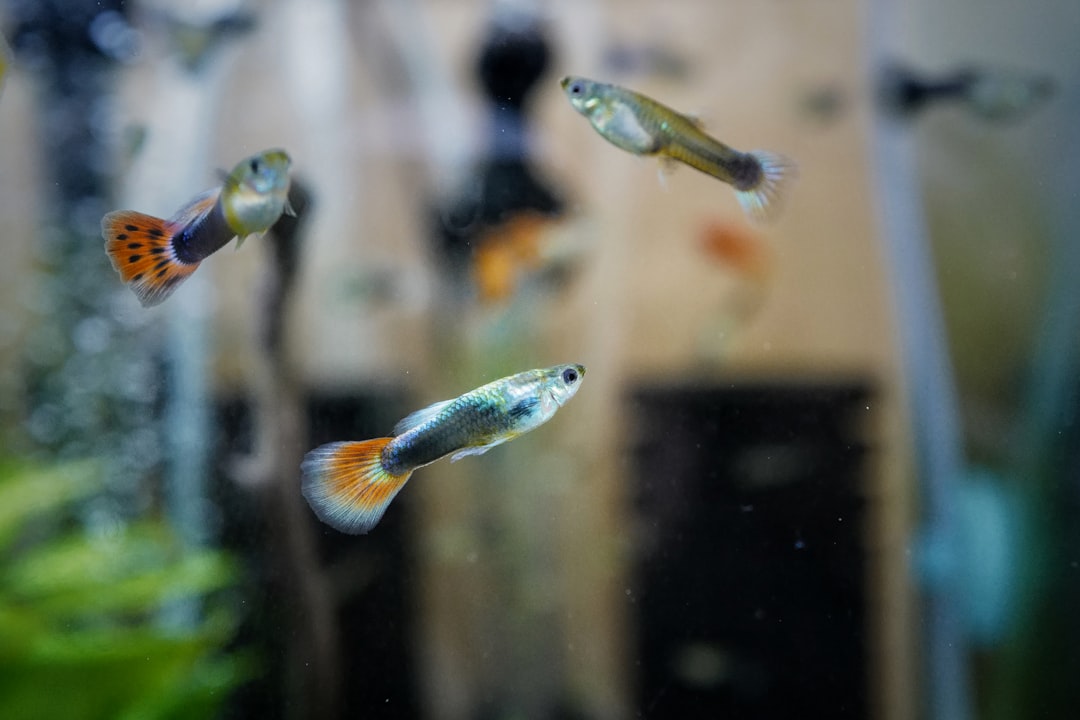
Guppies are often called the “million fish” — and once you start breeding them, you will quickly understand why. These prolific livebearers reproduce readily, prolifically and seemingly without any encouragement from their keeper. If you have a male and a female guppy in the same tank, fry are practically guaranteed within a month. But there is a significant difference between letting guppies breed randomly and breeding them deliberately for specific colours, patterns and fin shapes. This guide covers everything you need to know about how to breed guppies, from basic reproduction to selective line breeding, with practical advice tailored to Singapore conditions.
Why Guppies Breed So Easily
Understanding guppy reproduction starts with appreciating just how efficiently these fish are designed to multiply:
- Livebearers. Unlike egg-laying fish, guppies give birth to free-swimming, fully formed fry. There is no egg stage, no larval stage and no need for special hatching conditions. Newborn fry are immediately capable of swimming and feeding.
- Short gestation. The typical gestation period is 21 to 30 days, with 28 days being the most common interval under stable conditions. A single female can produce a new batch of fry roughly every month.
- Large broods. A mature female can produce 20 to 60 fry per brood, with some experienced females delivering over 100 fry in a single drop.
- Sperm storage. Female guppies can store sperm from a single mating for several months, producing multiple batches of fry without needing to mate again. A female purchased from a shop may already be pregnant — and may continue producing fry for months after being separated from males.
- Early maturity. Guppies can reach sexual maturity as young as three months of age, meaning new generations start breeding quickly.
For a complete overview of guppy husbandry, see our guppy care guide.
Selecting Breeding Pairs
If your goal is simply more guppies, any healthy male and female will do. But if you want to breed for specific traits — colour, fin shape, pattern — selection matters enormously.
What to Look For
- Vibrant colouration — choose males with the brightest, most even colour coverage
- Good fin shape — select males with full, symmetrical tail fins free from tears or deformities
- Body shape — a strong, straight spine and proportionate body indicate good genetics
- Active behaviour — healthy, energetic fish produce healthier fry
- Females from good lines — while females are less colourful, their genetics contribute equally to offspring. Choose females from known quality lines when possible
Breeding Ratio
The ideal ratio is one male to two or three females. This prevents any single female from being relentlessly harassed by an amorous male. Male guppies are persistent breeders and will chase females constantly — multiple females distribute this attention and reduce stress.
Breeding Tank Setup
While guppies will breed in virtually any tank, a dedicated breeding setup gives you far more control over the process:
- Tank size: A 30 to 40-litre tank is sufficient for a breeding trio (one male, two females). Larger tanks (60 litres or more) are better for line breeding multiple groups.
- Filtration: A sponge filter is ideal — it provides biological filtration without creating suction that could trap tiny fry. Avoid hang-on-back filters or canister filters with exposed intakes in breeding tanks.
- Temperature: 24 to 28 degrees Celsius. Warmer temperatures (within this range) slightly accelerate gestation and growth. Singapore’s ambient temperature is naturally suitable.
- Plants: Dense planting is crucial for fry survival. Java moss, floating plants (especially Amazon frogbit and water sprite) and dense stem plants provide essential hiding spots for newborn fry.
- Substrate: Optional. Bare-bottom tanks are easier to clean and make it easier to spot and rescue fry, but substrate looks more natural and supports beneficial bacteria.
- Lighting: Standard aquarium lighting is fine. A regular photoperiod of 8 to 10 hours supports both plant growth and fish health.
Pregnancy and Birth
Signs of Pregnancy
Identifying a pregnant female guppy is straightforward once you know what to look for:
- Gravid spot: This is a dark spot near the rear of the belly, just above the anal fin. It darkens progressively as the pregnancy advances, becoming almost black in the days before birth. The gravid spot is actually the developing fry visible through the mother’s semi-transparent body wall.
- Swollen belly: The abdomen becomes noticeably distended, particularly in the final week. The shape changes from rounded to slightly angular or “boxy.”
- Behavioural changes: In the hours before birth, females often become reclusive, hiding among plants or near the bottom of the tank. They may refuse food and display rapid breathing.
The Birth
Guppies typically give birth in the early morning hours. The process can take anywhere from one hour to most of a day, with fry being released one at a time or in small batches. Newborn fry are approximately 5 to 7 millimetres long and immediately swim toward the surface and seek cover.
It is important to know that guppy parents — both mothers and fathers — will eat their own fry if given the opportunity. This is not unusual behaviour; it is standard practice in the fish world. Fry survival depends on adequate cover or separation from adults.
Fry Survival Strategies
There are two main approaches to ensuring fry survival:
Method 1: Dense Planting (Natural Approach)
In a heavily planted tank with abundant Java moss, floating plants and stem plant thickets, a reasonable percentage of fry will survive by hiding from adults. This approach requires less intervention but results in lower survival rates — typically 20 to 40 per cent of each brood may survive. The advantage is that natural selection favours the strongest, most alert fry.
Method 2: Breeding Box or Separate Tank
For maximum fry survival, either:
- Move the pregnant female to a breeding box or separate tank shortly before birth. After she delivers, return her to the main tank and raise the fry separately.
- Collect fry from the main tank using a small cup or net and transfer them to a grow-out container.
Breeding boxes (floating or hang-on containers with dividers) are convenient but can stress the mother. If using one, transfer the female only when birth appears imminent (boxy belly, very dark gravid spot, hiding behaviour) and return her promptly after delivery. Do not leave a female in a breeding box for more than 48 hours, as the confined space causes significant stress.
A separate grow-out tank (even a simple 10 to 15-litre container with a sponge filter and floating plants) is the most comfortable option for both mother and fry.
Feeding Fry
Guppy fry are relatively easy to feed compared to many other fish species, but proper nutrition in the first few weeks is critical for growth and colouration:
- First food: Newborn guppy fry can eat finely crushed flake food from day one. Crush the flakes between your fingers to a fine powder. However, for the fastest growth and best development, live or frozen baby brine shrimp (BBS) is far superior.
- Baby brine shrimp (BBS): Easily hatched at home using brine shrimp eggs, salt water and an air pump. BBS is the gold standard for guppy fry food and produces noticeably faster growth and better colouration than dry food alone.
- Micro worms and vinegar eels: Excellent supplementary live foods that are easy to culture.
- Commercial fry food: Products like Hikari First Bites provide a convenient alternative when live food is not available.
- Feeding frequency: Feed fry three to four times daily in small amounts. Frequent small feeds promote steady growth. Remove any uneaten food to maintain water quality.
Fry grow rapidly under good nutrition. Expect them to reach identifiable size (colours becoming visible) within four to six weeks and near-adult size by three months.
Population Control
Without intervention, a guppy colony can explode in numbers within months. A single pair can easily produce 200 or more offspring in a year. Managing this population growth is essential:
- Separate males and females. The most effective method. Once fry are old enough to sex (usually around four to six weeks, when the males begin developing colour and the gonopodium becomes visible), separate them into male and female tanks.
- Keep all one sex. If you do not want breeding at all, keep only males (for colour) or only females. Remember that females purchased from mixed tanks may already be pregnant.
- Sell or rehome excess fish. Singapore has an active aquarium hobbyist community. Excess guppies can be sold or traded through online forums, social media groups and local fish shops.
- Natural predation. Keeping guppies with small, peaceful predators allows some natural population control, though this approach is ethically debatable and unpredictable.
Line Breeding for Colour
Line breeding is the process of selectively breeding guppies to enhance specific traits — colour, pattern, fin shape — over multiple generations. It is both an art and a science, and many dedicated guppy breeders spend years developing their own unique strains.
Basic Process
- Start with quality stock. Purchase the best examples of your desired strain from a reputable breeder.
- Select the best offspring. From each generation, choose only the fry that best display your target traits for the next round of breeding.
- Maintain separate lines. Keep breeding groups in separate tanks to control which fish mate.
- Record keeping. Track lineage, colour development and any health issues across generations.
- Introduce fresh genetics periodically. After several generations of line breeding, introduce an unrelated fish of the same strain to prevent inbreeding depression (see below).
Colour Genetics Basics
Guppy colour genetics are complex, with many traits being sex-linked (carried on the Y chromosome and expressed primarily in males). Key points include:
- Many colour patterns are Y-linked, meaning they pass from father to son
- Some colours (like blond, albino, and certain base colours) are autosomal (carried on non-sex chromosomes) and expressed in both sexes
- Female genetics matter as much as male genetics — even though females are plain, they carry hidden colour genes that influence their sons
- Crossing different colour strains produces unpredictable results in the first generation, with desired traits sometimes reappearing in later generations
Genetic Considerations
Prolonged inbreeding (breeding closely related fish over many generations) is a necessary part of fixing desirable traits, but it carries risks:
- Reduced vitality: Inbred fish may become weaker, smaller and more susceptible to disease.
- Lower fertility: Brood sizes may decrease and fry mortality may increase.
- Spinal deformities: Bent spines and other physical abnormalities become more common in heavily inbred lines.
- Loss of colour intensity: Paradoxically, excessive inbreeding can diminish the very traits you are trying to fix.
To mitigate these risks, periodically outcross to an unrelated fish of the same or similar strain every four to six generations. This introduces genetic diversity while maintaining the overall direction of your breeding programme.
Culling
Culling — removing fish that do not meet your breeding standards — is an unavoidable part of serious line breeding. Culling does not necessarily mean euthanising fish. Unwanted guppies can be:
- Given to friends or fellow hobbyists
- Sold or donated to local fish shops
- Kept in a separate “community” tank
- Used as feeder fish (for those who keep predatory species)
Be prepared for the volume of fish that selective breeding produces. Only a small percentage of each brood will meet your quality criteria.
Singapore-Specific Considerations
Singapore is an excellent place to breed guppies:
- Temperature: Ambient water temperatures of 28 to 30 degrees Celsius are ideal for guppy breeding. Gestation tends to be slightly shorter (around 25 to 28 days) at these warmer temperatures. No heater needed.
- Water: PUB tap water (pH 7 to 8, moderate hardness) is well-suited to guppies. Treat with a water conditioner to neutralise chloramine.
- Space considerations: Guppy breeding can quickly require multiple tanks. In HDB flats and condos, consider a rack system with small 20 to 30-litre tanks to manage different lines and grow-out groups efficiently.
- Community: Singapore has a vibrant guppy breeding community with regular competitions and shows. Joining local guppy groups on social media is an excellent way to source quality breeding stock, learn techniques and sell excess fish.
- Live food culture: Singapore’s warm, humid climate is perfect for culturing live foods like baby brine shrimp, micro worms and daphnia outdoors on a balcony.
Frequently Asked Questions
How long is a guppy pregnant for?
Guppy gestation typically lasts 21 to 30 days, with 28 days being the average. In warmer water (28 to 30 degrees Celsius, typical for Singapore), gestation may be slightly shorter at around 25 to 28 days. You can track pregnancy by monitoring the darkening of the gravid spot and increasing belly size.
How many babies do guppies have?
A female guppy typically produces 20 to 60 fry per brood, depending on her age and size. Young females having their first brood may produce as few as 10 to 15 fry, while large, experienced females can deliver 80 to 100 or more. Brood size generally increases with each successive pregnancy.
Do I need a breeding box?
A breeding box is not strictly necessary. In a heavily planted tank with abundant Java moss and floating plants, many fry will survive without intervention. However, a breeding box or separate tank significantly increases survival rates — especially if you are line breeding for specific traits and want to save every fry. If using a breeding box, minimise the time the female spends inside (ideally less than 48 hours) to reduce stress.
How do I stop my guppies from breeding?
The only reliable method is to keep males and females in separate tanks. Even brief exposure to a male can result in months of pregnancies due to the female’s ability to store sperm. If you want to enjoy guppies without constant breeding, keeping an all-male tank showcases the best colours without any fry production.
Whether you are just starting out with guppies or building a selective breeding programme, Gensou can help. Visit our shop at 5 Everton Park for quality fish, plants and equipment, or ask about our custom aquarium design services for a dedicated guppy breeding setup. With over 20 years of experience, we are here to support your fishkeeping journey.
Related Reading



