
Aquarium Moss Types Compared: Java, Christmas, Flame and More
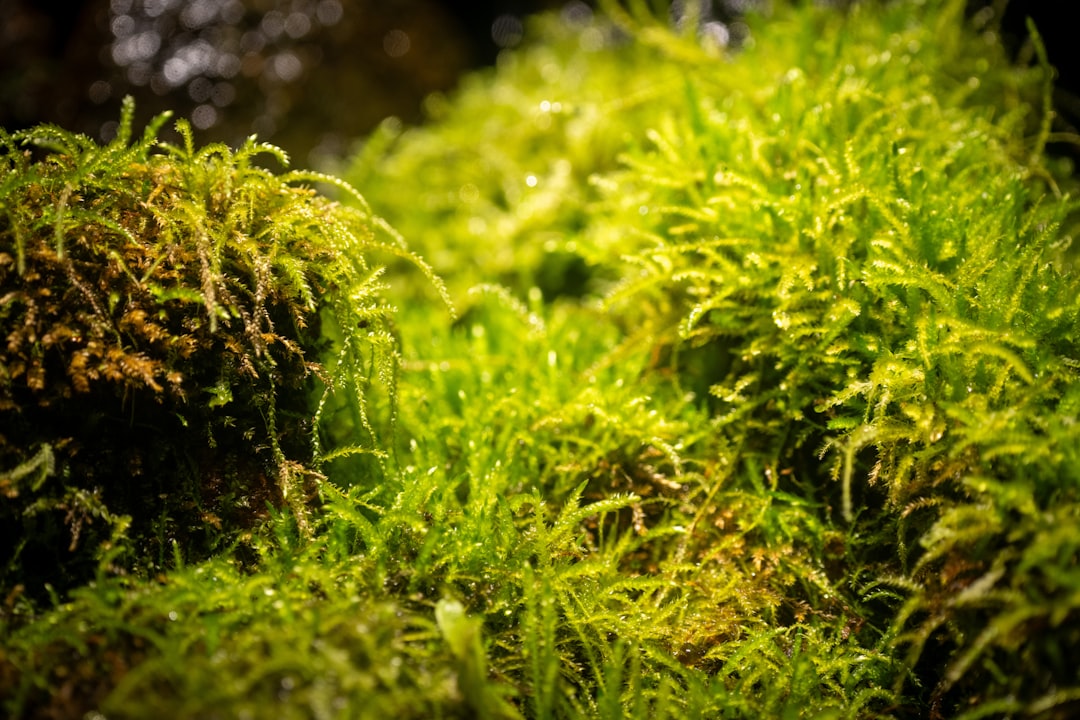
Aquarium mosses are among the most versatile and visually rewarding plants in the hobby. They cling to driftwood and rocks, carpet hardscape surfaces and create the kind of lush, natural texture that transforms an aquarium into a living work of art. But with so many aquarium moss types available — from the ubiquitous Java moss to the exotic coral moss — choosing the right species for your tank can be confusing. This comprehensive comparison guide breaks down the most popular mosses by appearance, growth rate, difficulty and care requirements, helping you pick the perfect moss for your aquascape.
Moss Comparison Table
| Moss Type | Scientific Name | Growth Pattern | Growth Rate | Light Need | CO2 | Temperature | Difficulty | Price |
|---|---|---|---|---|---|---|---|---|
| Java moss | Taxiphyllum barbieri | Spreading, irregular | Moderate – Fast | Low – High | No | 18 – 30 °C | Very easy | Low |
| Christmas moss | Vesicularia montagnei | Triangular, layered (Christmas tree shape) | Slow – Moderate | Low – Medium | No | 20 – 28 °C | Easy | Low – Medium |
| Flame moss | Taxiphyllum sp. ‘Flame’ | Upright, flame-like | Slow | Low – Medium | No | 18 – 28 °C | Easy | Medium |
| Weeping moss | Vesicularia ferriei | Drooping, cascading | Slow – Moderate | Low – Medium | No | 18 – 28 °C | Easy | Medium |
| Phoenix moss (Fissidens) | Fissidens fontanus | Short, feathery tufts | Very slow | Low – Medium | Helps | 18 – 26 °C | Moderate | Medium – High |
| Coral moss (Riccardia) | Riccardia chamedryfolia | Compact, coral-like | Very slow | Medium | Recommended | 18 – 25 °C | Moderate – Hard | High |
| Taiwan moss | Taxiphyllum alternans | Triangular, neat | Slow – Moderate | Low – Medium | No | 18 – 28 °C | Easy | Medium |
| Willow moss | Fontinalis antipyretica | Long, flowing strands | Moderate | Low – Medium | No | 15 – 24 °C | Moderate | Medium |
Species Profiles
Java Moss
Java moss is the most widely kept aquarium moss for good reason. It tolerates virtually any light level, any water chemistry and any temperature within the tropical range. It grows in an irregular, somewhat messy spreading pattern that looks wonderfully natural on driftwood and rocks. Java moss is the ideal starting moss for beginners and a staple in breeding tanks, where its dense growth provides refuge for fry and shrimp.
The trade-off for its ease is that Java moss can look untidy without regular trimming. It lacks the defined growth patterns of more ornamental mosses, tending to grow in all directions. For aquascapers seeking a refined look, other mosses may be preferable, but for reliability and versatility, Java moss is unbeatable.
Christmas Moss
Christmas moss gets its name from its distinctive triangular frond pattern, which resembles the branches of a Christmas tree. Each frond has a central stem with shorter branches radiating outward, creating a layered, structured appearance that is considerably neater than Java moss.
Christmas moss prefers slightly cooler water (20 to 28 degrees Celsius) and grows more slowly than Java moss. Under good conditions, it forms beautiful, dense carpets on flat surfaces and looks spectacular draping over driftwood. It is slightly more demanding than Java moss but well within reach for any hobbyist willing to provide moderate light and clean water.
Flame Moss
Flame moss is immediately recognisable by its distinctive upright growth pattern. The fronds grow vertically rather than spreading horizontally, resembling tiny green flames reaching upward. This unique habit makes flame moss excellent for covering vertical surfaces and creating eye-catching texture on the sides of driftwood or rocks.
Growth is slow, but the compact, upright habit means flame moss requires less trimming than faster-growing species. It attaches readily to hardscape and is easy to care for, requiring only low to moderate light and no CO2.
Weeping Moss
Weeping moss does exactly what its name suggests — its fronds grow downward in a cascading, weeping pattern, much like a miniature willow tree. This makes it the ideal moss for attaching to elevated driftwood branches, where its drooping habit creates a stunning waterfall-like effect.
Weeping moss grows at a moderate pace and is easy to care for. It looks best when attached to elevated positions where the cascading growth can be fully appreciated. When placed on flat surfaces, it loses much of its characteristic charm and can resemble an untidy Java moss.
Phoenix Moss (Fissidens fontanus)
Fissidens is not technically a true moss in the aquascaping sense (it belongs to a different order), but it is grouped with mosses commercially. Its fronds are short, feathery and grow in compact tufts that create an extremely fine, delicate texture. When viewed up close, the tiny leaf structures are exquisitely detailed.
Fissidens grows very slowly and prefers cooler water temperatures (18 to 26 degrees Celsius). In Singapore’s warmer conditions, it can struggle unless the tank is cooled with a fan or chiller. CO2 is not required but helps maintain healthy growth. It is best suited to detail-oriented aquascapers who appreciate its miniature beauty and are patient with its pace.
Coral Moss (Riccardia chamedryfolia)
Coral moss — actually a liverwort rather than a true moss — forms compact, branching structures that genuinely resemble miniature coral. Its growth is extremely slow and it is the most demanding species on this list, preferring cooler temperatures (18 to 25 degrees Celsius), moderate light and CO2 supplementation.
In Singapore, coral moss is a challenging proposition due to our warm ambient temperatures. It typically requires an aquarium chiller or a heavily air-conditioned room to thrive long-term. Despite this, its unique appearance makes it highly sought-after by dedicated aquascapers willing to invest in the right conditions.
Taiwan Moss
Taiwan moss is sometimes confused with Christmas moss, and the two share a similar triangular frond structure. However, Taiwan moss tends to be slightly neater and more compact, with a more defined triangular growth pattern. It is easy to care for, tolerates a range of conditions and attaches well to hardscape.
Taiwan moss is a solid choice for aquascapers who want a tidier alternative to Java moss without the demanding requirements of coral moss or Fissidens. Its moderate growth rate means less frequent trimming while still filling in at a reasonable pace.
Willow Moss
Willow moss produces long, flowing strands that create a dramatic, river-like effect in the aquarium. It is a cold-water species that naturally occurs in temperate streams, which makes it challenging to keep in Singapore’s tropical conditions. At temperatures above 24 degrees Celsius, willow moss tends to decline and eventually die. It is included here for completeness but is not recommended for Singapore aquariums unless substantial cooling is provided.
How to Attach Moss
Attaching moss to hardscape properly ensures it stays in place while it naturally anchors itself. Several methods work well:
Cotton Thread
Tie the moss to driftwood or rock using cotton thread. As the moss grows and attaches via rhizoids (tiny root-like structures), the cotton gradually decomposes and disappears over four to eight weeks. This is the most natural-looking method.
Fishing Line
Thin monofilament fishing line (2 to 4 lb) provides a more secure attachment than cotton thread. It does not decompose, so you may need to remove visible sections once the moss is established. Use clear line to minimise visibility.
Superglue (Cyanoacrylate)
Gel-type superglue (cyanoacrylate) is aquarium-safe once cured. Apply small dots to the hardscape surface, press the moss into the glue and hold for 10 to 15 seconds. This method is fast and provides immediate attachment, though it can leave white residue that takes time to disappear. Works best for small pieces and detailed work.
Stainless Steel Mesh
For creating moss walls or carpets, sandwich the moss between two pieces of stainless steel mesh. Attach the mesh to the back glass or lay it flat on the substrate. The moss grows through the mesh and eventually covers it entirely. This is the preferred method for large-scale moss features.
Attachment Tips
- Spread the moss in a thin, even layer — thick clumps trap debris and the interior dies from lack of light
- Remove any dead or brown portions before attaching
- Dry the attachment surface briefly before using superglue for better adhesion
- Be patient — most mosses take four to eight weeks to fully attach and begin growing visibly
Trimming and Maintenance
Regular trimming keeps mosses healthy, attractive and prevents the problems that come with overgrown moss:
- Trim regularly. Use sharp scissors to cut moss back to about 1 to 2 centimetres thick. Overgrown moss (more than 3 centimetres thick) dies in the interior layers because light and water circulation cannot reach the base.
- Remove trimmings. Loose moss fragments left floating in the tank will attach to unintended surfaces and spread. Scoop up all trimmings during and after a trim session.
- Thin out dense patches. Periodically remove sections of very dense moss growth to allow water flow and light to reach the inner portions.
- Frequency: Trimming every four to eight weeks is typical for most species. Faster growers like Java moss may need monthly trimming, while slow growers like Fissidens may only need attention every two to three months.
Lighting and CO2 Requirements
Most aquarium mosses are genuinely low-light plants, which is part of their appeal. They thrive in the shadowy areas of the tank where other plants struggle — under driftwood overhangs, on the shaded sides of rocks and in lower-light zones near the substrate.
- Low light (10 – 25 PAR): Java moss, Christmas moss, flame moss and weeping moss all grow successfully at these levels.
- Medium light (25 – 40 PAR): Optimal for most species. Growth is faster and more compact. Fissidens and coral moss perform best at this level.
- High light (40+ PAR): Can cause problems. Many mosses develop algae under excessive light, particularly green hair algae and black beard algae. If your moss is in a high-light zone, ensure CO2 and nutrient levels are balanced.
CO2 is not required for the majority of aquarium mosses. Java moss, Christmas moss, flame moss and weeping moss all grow well without CO2 injection. Fissidens benefits from CO2 supplementation, and coral moss (Riccardia) strongly benefits from it. In low-tech setups, mosses are among the most reliable plant choices available.
Preventing Debris Buildup
One of the biggest challenges with aquarium moss is debris accumulation. The fine, dense structure of moss traps fish waste, uneaten food, dead plant matter and particulate matter. Over time, this debris suffocates the moss, causes brown patches and creates unsightly buildup.
To prevent and manage debris:
- Position moss with water flow in mind. Place moss where gentle water circulation from the filter can sweep debris off its surface. Avoid completely dead-flow areas.
- Use a turkey baster or pipette during water changes to blast debris off moss surfaces. A gentle squeeze of water directed at the moss dislodges trapped particles.
- Keep shrimp. Cherry shrimp, Amano shrimp and other small shrimp are tireless moss cleaners. They pick through the moss structure, eating biofilm, algae and fine debris. A healthy shrimp colony is the best long-term solution for keeping moss clean.
- Avoid overfeeding fish. Excess food is a major source of debris that accumulates in moss.
- Trim and thin regularly. Dense, overgrown moss traps far more debris than well-maintained, trimmed moss.
Singapore-Specific Considerations
Singapore’s warm climate (28 to 32 degrees Celsius ambient water temperature) is an important factor when choosing aquarium moss:
- Best choices for Singapore: Java moss, Christmas moss, flame moss, weeping moss and Taiwan moss all tolerate our warm temperatures well. These are the recommended species for tanks without cooling equipment.
- Challenging in Singapore: Fissidens (phoenix moss) is possible but grows more slowly in warm water. Coral moss (Riccardia) and willow moss struggle significantly at our temperatures and typically require cooling.
- Availability: Java moss and Christmas moss are widely available and affordable at Singapore aquarium shops. Flame moss, weeping moss and Fissidens are less commonly stocked but can be found at specialist shops or from online hobbyist sellers. Coral moss is rare and expensive locally.
- Algae risk: The combination of warm water and high light in Singapore can accelerate algae growth on moss. Keep lighting moderate and consider adding shrimp or Siamese algae eaters to help control algae in moss-heavy tanks.
Frequently Asked Questions
Which aquarium moss is best for beginners?
Java moss is the undisputed best choice for beginners. It tolerates virtually any light level, water parameter and temperature. It grows reliably, attaches easily and is the most affordable moss available. Once you gain confidence with Java moss, branching out to Christmas moss or flame moss is a natural next step.
Do aquarium mosses need CO2?
Most aquarium mosses do not need CO2 injection. Java moss, Christmas moss, flame moss and weeping moss all thrive without it. CO2 supplementation helps Fissidens (phoenix moss) and is recommended for coral moss (Riccardia), but for the commonly kept species, a low-tech setup is perfectly adequate.
How do I keep algae off my aquarium moss?
Keep lighting moderate (avoid placing moss in the brightest areas of the tank), maintain good water circulation around the moss, trim regularly to prevent overly thick growth, keep a clean-up crew of shrimp and avoid overfeeding. If black beard algae appears on moss, spot-treating with a diluted hydrogen peroxide solution (applied with a syringe during a water change) can help without harming the moss.
Can I grow moss on the back wall of my tank?
Yes. A moss wall is created by sandwiching moss between two layers of stainless steel mesh, then attaching the mesh to the back glass using suction cups. Java moss and Christmas moss are the best species for moss walls due to their spreading growth habit. Expect the moss to take four to eight weeks to grow through the mesh and begin covering the surface. Regular trimming keeps the wall looking neat.
Looking for quality aquarium moss for your next aquascape? Visit the Gensou shop at 5 Everton Park for a selection of mosses and expert advice on which species suits your tank. Our team can also create a custom aquarium featuring stunning moss-covered hardscape as part of a complete aquascaping service. Contact us to discuss your project.
Related Reading



