
Microsorum Pteropus Varieties: Every Java Fern Type Compared
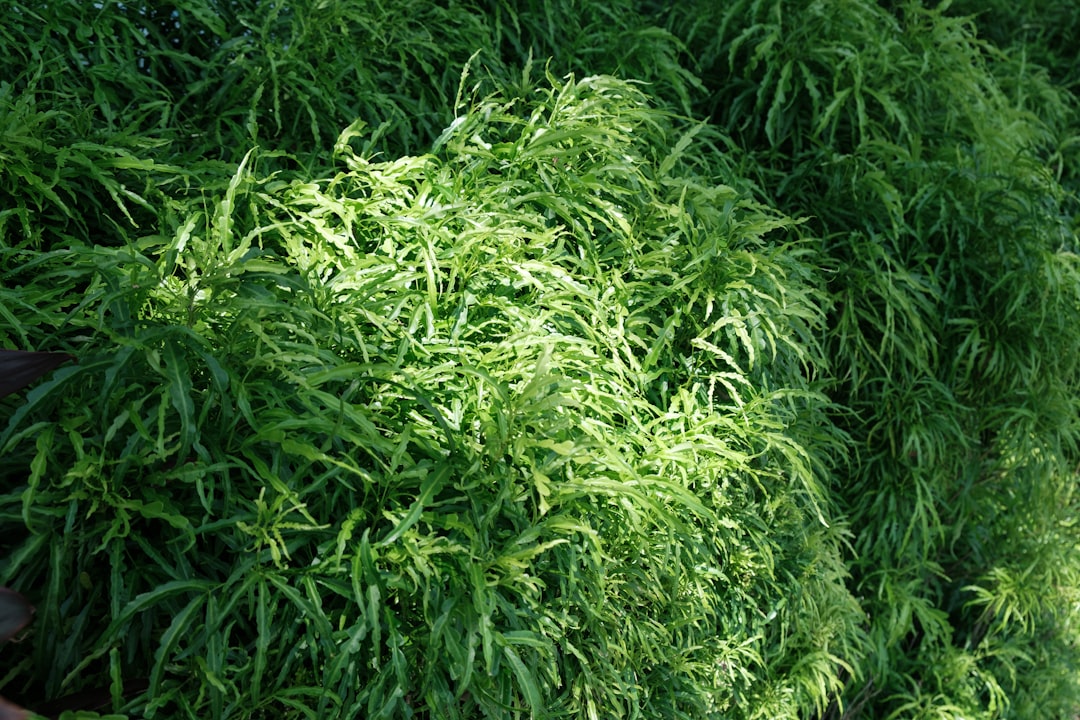
Table of Contents
- Introduction to Microsorum Pteropus
- Shared Care Requirements
- Variety Comparison Table
- Regular Java Fern
- Narrow Leaf Java Fern
- Needle Leaf Java Fern
- Windelov (Lace) Java Fern
- Trident Java Fern
- Philippine Java Fern
- Thor’s Hammer Java Fern
- Choosing the Right Variety
- Frequently Asked Questions
Introduction to Microsorum Pteropus
Microsorum pteropus, universally known as Java fern, is arguably the most popular aquarium plant in the world. Found in tropical and subtropical regions of Southeast Asia, including right here in Singapore’s own waterways, Java fern has earned its reputation through sheer reliability. It tolerates low light, does not require CO2 injection, grows on hardscape without substrate, and survives conditions that would kill most other aquatic plants.
What many hobbyists do not realise is that “Java fern” is not a single plant but a group of cultivated varieties, each with distinct leaf shapes, sizes, and visual characteristics. From the broad, paddle-like leaves of the regular form to the delicately branching tips of the Windelov cultivar, there is a Java fern variety suited to virtually every aquascape style and tank size.
This guide compares every commercially available Microsorum pteropus variety, helping you choose the right ones for your setup. For detailed care instructions applicable to all varieties, refer to our comprehensive Java fern care guide.
Shared Care Requirements
All Microsorum pteropus varieties share the same fundamental care requirements. Understanding these shared needs simplifies the process of growing multiple varieties in a single tank.
| Parameter | Requirement | Notes |
|---|---|---|
| Lighting | Low to Medium | PAR 15-40 at plant level |
| CO2 | Not required | Speeds growth slightly |
| Temperature | 20 – 30 C | Suits Singapore conditions |
| pH | 6.0 – 7.5 | Flexible range |
| Attachment | Hardscape only | Never bury rhizome |
| Fertilisation | Light water column | Absorbs through fronds |
| Propagation | Rhizome division / plantlets | Adventitious growth on leaves |
The cardinal rule for all Java ferns is identical to other rhizome plants: never bury the rhizome in substrate. Attach it to rocks, driftwood, or other hardscape materials using superglue, cotton thread, or fishing line. The roots will eventually grip the surface naturally.
All varieties are water column feeders, absorbing nutrients through their fronds rather than through a root system. A basic liquid fertiliser dosed once or twice weekly is sufficient. Singapore’s PUB tap water should be treated with a chloramine-neutralising conditioner before any water change.
Variety Comparison Table
The following table summarises the key differences between all commercially available Microsorum pteropus varieties. Use this as a quick reference when planning your plant selections.
| Variety | Leaf Shape | Max Height | Max Width | Growth Rate | Difficulty | Best For | Relative Price |
|---|---|---|---|---|---|---|---|
| Regular | Broad, lance-shaped | 30 – 35 cm | 5 – 8 cm | Slow to Moderate | Very Easy | Background, large tanks | Low |
| Narrow Leaf | Long, narrow, pointed | 25 – 30 cm | 1.5 – 3 cm | Slow to Moderate | Very Easy | Midground, flowing look | Low |
| Needle Leaf | Very narrow, grass-like | 15 – 20 cm | 0.5 – 1 cm | Slow | Easy | Midground, texture | Moderate |
| Windelov (Lace) | Branching, lace-like tips | 15 – 20 cm | Branching tips | Slow | Easy | Midground focal point | Moderate |
| Trident | Forked, multi-pronged | 15 – 25 cm | Forked fronds | Slow to Moderate | Easy | Midground, detail work | Moderate |
| Philippine | Broad, textured, hammered | 25 – 40 cm | 5 – 10 cm | Slow | Easy to Moderate | Background, statement | Moderate to High |
| Thor’s Hammer | Blunt, lobed tips | 15 – 20 cm | Variable | Slow | Easy to Moderate | Midground, novelty | High |
Regular Java Fern
The standard Microsorum pteropus is the variety most hobbyists encounter first. Its broad, lance-shaped leaves grow 20 to 35 centimetres tall and 5 to 8 centimetres wide, making it a substantial background plant in tanks of 60 centimetres or larger. The leaves are leathery in texture, dark green in colour, and slightly translucent when young before becoming opaque with maturity.
Regular Java fern is the most affordable and widely available variety in Singapore, stocked by virtually every aquarium shop on the island. It is also the fastest-growing variety relative to its size, producing new fronds every 1 to 2 weeks once established. A single rhizome can grow into a massive bush within 6 to 12 months, easily filling the background of a 90-centimetre tank.
Due to its eventual size, regular Java fern is generally too large for nano tanks under 40 litres. In smaller setups, consider the more compact varieties described below.
Narrow Leaf Java Fern
Microsorum pteropus ‘Narrow Leaf’ produces leaves that are significantly thinner than the regular variety, typically 1.5 to 3 centimetres wide and 20 to 30 centimetres long. The narrower profile creates a more refined, less bulky appearance, with leaves that sway gracefully in water current.
This variety is one of the most versatile Java ferns for aquascaping. Its slender leaves provide movement and flow without the visual heaviness of the regular form. Planted on driftwood in the midground, Narrow Leaf Java fern creates a windswept, natural aesthetic that complements both hardscape-dominant and plant-heavy layouts.
Growth rate is comparable to the regular variety, and care requirements are identical. Narrow Leaf is an excellent choice for hobbyists who want the reliability of Java fern with a more elegant presentation.
Needle Leaf Java Fern
Taking the narrow trend further, Microsorum pteropus ‘Needle Leaf’ produces extremely thin leaves under 1 centimetre wide and 15 to 20 centimetres long. The overall effect is almost grass-like, with dense clusters of fine, upright leaves that create a completely different texture from the broader varieties.
Needle Leaf Java fern grows more slowly than the regular and narrow varieties, and individual plants remain more compact. This makes it suitable for tanks as small as 20 litres, where it serves as a midground feature without overwhelming the space.
In larger aquascapes, Needle Leaf provides fine-textured contrast when planted alongside broader-leaved species. A clump of Needle Leaf on a central piece of driftwood, flanked by regular Java fern on either side, creates a pleasing variation in leaf scale and form.
Windelov (Lace) Java Fern
Microsorum pteropus ‘Windelov,’ also called Lace Java fern, is widely regarded as the most decorative variety. Its defining feature is the leaf tips, which split into multiple fine, branching points, creating a lace-like or antler-like appearance that is immediately eye-catching.
The branching tips give Windelov a softer, more intricate silhouette than any other Java fern variety. Individual plants reach 15 to 20 centimetres in height, making them ideal midground plants. When a mature clump of Windelov catches the light, the branching leaf tips create a halo of fine detail that adds tremendous depth to an aquascape.
Care is identical to other varieties, though Windelov’s intricate leaf tips can trap debris more readily. Gentle water flow helps keep the leaves clean. This variety is particularly popular for competition aquascapes in Singapore, where its unique texture helps create standout layouts. Pricing is moderate, typically 1.5 to 2 times the cost of regular Java fern.
Trident Java Fern
Microsorum pteropus ‘Trident’ produces leaves that fork into multiple prongs along their length, resembling a trident or multi-pointed spear. The effect is more angular and structured than Windelov’s organic branching, with each leaf splitting into 3 to 5 distinct points.
Trident Java fern grows to 15 to 25 centimetres and has a moderate growth rate relative to other varieties. It produces plantlets freely, often generating multiple baby plants on older fronds. This prolific reproduction makes it easy to propagate and share with other hobbyists.
In aquascaping terms, Trident fills a middle ground between the simplicity of regular Java fern and the complexity of Windelov. Its forked leaves provide visual interest without the delicacy that makes Windelov tips occasionally fragile. It is an excellent all-round choice for hobbyists who want something distinctive but reliable.
Philippine Java Fern
Microsorum pteropus ‘Philippine’ is the largest variety commonly available. Its broad, textured leaves can reach 30 to 40 centimetres in length, with a distinctive hammered or crinkled surface texture that sets it apart from the smoother leaves of other varieties.
The veining on Philippine Java fern leaves is particularly pronounced, with dark lines contrasting against the lighter green leaf tissue. This textural complexity makes individual leaves visually interesting at close range, an effect enhanced by side or angled lighting that casts shadows across the undulating surface.
Due to its substantial size, Philippine Java fern is best reserved for tanks of 90 centimetres or larger, where it serves as a commanding background feature. It is somewhat less common in Singapore shops than the standard varieties but is available through specialist retailers and our plant shop at 5 Everton Park.
Thor’s Hammer Java Fern
Microsorum pteropus ‘Thor’s Hammer’ is one of the rarest and most unusual varieties. Its leaves end in broad, blunt, hammer-shaped or lobed tips, giving each frond a distinctive silhouette that is unlike any other Java fern. The lobed tips may split further as the plant matures, creating an increasingly complex outline.
This variety remains relatively compact at 15 to 20 centimetres, with a slow growth rate that keeps maintenance to a minimum. Its rarity means it commands premium pricing, often 3 to 4 times the cost of regular Java fern, but dedicated collectors value it for its novelty and conversation-starting appearance.
Thor’s Hammer is not typically a first choice for competition aquascapes due to its unusual form, but it excels as a specimen plant or focal point in collector tanks. If you enjoy growing unusual cultivars, this variety is a must-have addition to your collection.
Choosing the Right Variety
Selecting the best Java fern variety depends on your tank size, aquascaping goals, and personal taste. Here are some guidelines:
- Nano tanks (under 40 litres): Needle Leaf, Windelov, or Thor’s Hammer. These compact varieties will not outgrow a small tank.
- Medium tanks (40 to 120 litres): Any variety works. Narrow Leaf and Trident offer the most versatile midground options.
- Large tanks (over 120 litres): Regular, Philippine, or any combination. Mix multiple varieties on a large piece of driftwood for an impressive display.
- Competition or display tanks: Windelov and Trident provide the most visual complexity. Combine with Anubias and Bucephalandra on hardscape.
- Low-tech or beginner tanks: Regular or Narrow Leaf. These are the most forgiving and affordable starting points.
Many experienced aquascapers use multiple varieties in a single layout to create variation in texture and scale. A large driftwood centrepiece hosting Regular, Narrow Leaf, and Windelov Java ferns alongside Anubias and mosses creates a complex, natural-looking arrangement with minimal maintenance demands.
Our aquascaping services team can help you select and arrange Java fern varieties for maximum visual impact in your specific tank.
Frequently Asked Questions
Do all Java fern varieties produce plantlets on their leaves?
Yes, all Microsorum pteropus varieties produce adventitious plantlets on mature leaves, typically from dark spots (sori) on the underside of older fronds. The Trident variety tends to be the most prolific plantlet producer, while Philippine and Thor’s Hammer produce them less frequently. These plantlets can be left to grow on the mother leaf or carefully separated and attached to new hardscape locations once they develop several leaves and visible roots.
Can different Java fern varieties grow on the same piece of driftwood?
Absolutely. Different varieties share identical care requirements and coexist perfectly on the same hardscape. This is one of the most effective ways to create visual diversity in a low-tech tank. Attach different varieties to separate sections of a large driftwood piece, allowing their distinct leaf shapes to contrast and complement each other. Over time, they will grow together to form a lush, multi-textured display.
Why are my Java fern leaves turning brown or transparent?
Brown or transparent leaves indicate one of several issues: buried rhizome (the most common cause), excessively high light causing leaf burn, nutrient deficiency, or simply old age. Individual fronds naturally yellow and die as they are replaced by new growth. If multiple fronds are declining simultaneously, check that the rhizome is exposed, reduce light intensity if PAR exceeds 50 at plant level, and ensure you are dosing a basic liquid fertiliser. In Singapore, also verify your dechlorinator handles chloramine, not just chlorine.
Which Java fern variety is best for a Singapore low-tech tank?
For a low-tech tank without CO2, the Regular and Narrow Leaf varieties are the most reliable choices. They grow faster than the more exotic cultivars and tolerate Singapore’s warm water temperatures (28 to 32 degrees) without complaint. Both are widely available and affordable, making them easy to replace or expand. Once you have experience with these foundational varieties, branching into Windelov, Trident, and others becomes a natural progression.
Build Your Java Fern Collection
Microsorum pteropus in all its varieties represents the backbone of low-maintenance aquascaping. Whether you choose a single variety for a clean, unified look or mix multiple forms for textural complexity, Java ferns deliver consistent results with minimal effort. Their tolerance for low light, warm water, and the absence of CO2 makes them indispensable for Singapore hobbyists at every level.
Visit Gensou Aquascaping at 5 Everton Park, Singapore, to browse our selection of Java fern varieties. With over 20 years of planted tank expertise, we stock both common and rare cultivars and can advise you on the best combinations for your aquascape. Contact us or visit in person to start building your collection.
Related Reading
- Cryptocoryne Wendtii Varieties Compared: Green, Brown, Red and Tropica
- Microsorum Pteropus Windelov Care Guide: Lace-Edged Java Fern
- Aquascaping With Microsorum Varieties: Java Fern Collection Tank
- Active vs Inert Substrate: Which Is Right for Your Planted Tank?
- Alternanthera Reineckii Mini Care Guide: Compact Red Carpet Plant



