
Flowerhorn Care Guide: The Lucky Fish of Southeast Asia
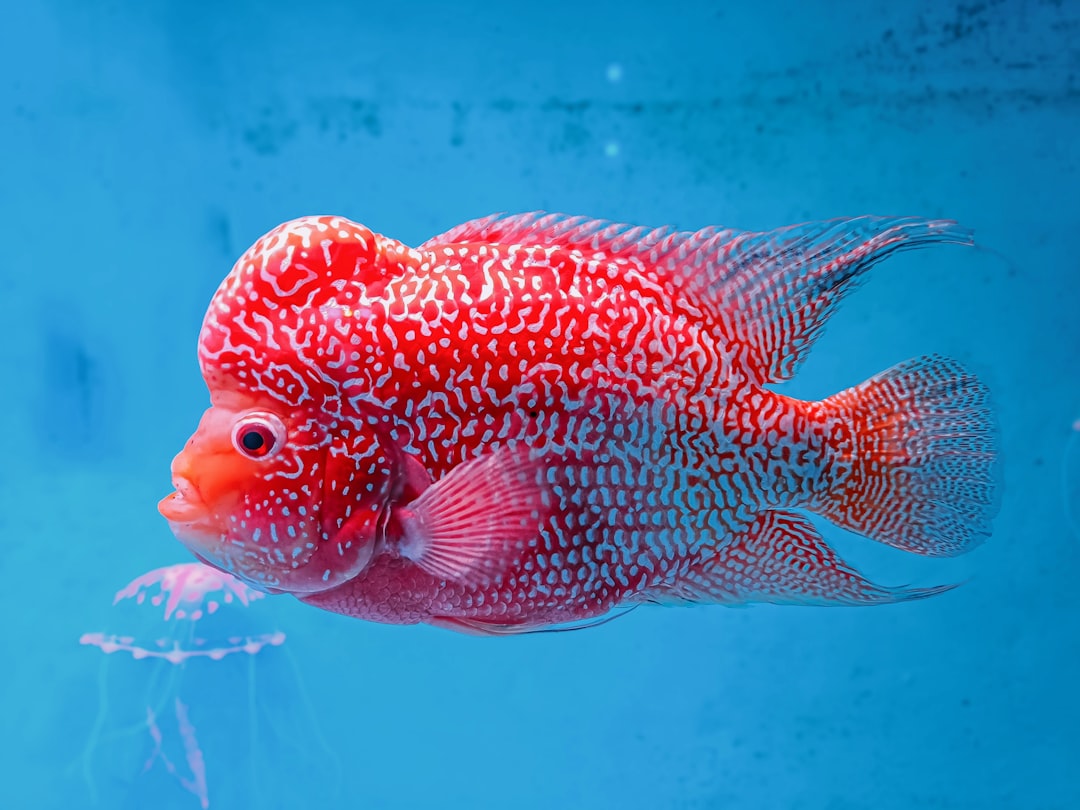
No fish in Southeast Asia carries quite the same mystique as the flowerhorn. A man-made hybrid cichlid prized for its bulging nuchal hump (known as the “kok”), vivid colouration and reputed ability to bring luck and prosperity, the flowerhorn has been a fixture in Singapore fish shops and feng shui circles since the early 2000s. This guide sits inside our broader Tropical Fish Species Master Index reference.
This flowerhorn care guide walks you through everything from selecting a quality specimen to maintaining water parameters in Singapore’s tropical climate. Whether you are drawn by cultural significance or simply by the fish’s undeniable presence, here is what you need to know.
Origin and Cultural Significance
Flowerhorns are entirely man-made. They were first bred in Malaysia in the late 1990s from crosses between Central and South American cichlids, including blood parrots, trimacs and red devils. The exact lineage varies by strain and is often a closely guarded secret among breeders.
The fish exploded in popularity across Singapore, Malaysia and Thailand for its perceived feng shui significance. The prominent kok is said to resemble the God of Longevity, while markings on the flanks are scrutinised for auspicious characters or numbers. Some specimens with particularly clear “lucky” markings have sold for tens of thousands of dollars.
For a deeper look at how aquariums intersect with feng shui principles in Singapore homes, see our fish tank feng shui guide.
Popular Flowerhorn Varieties
The flowerhorn world has its own complex nomenclature. Here are the main varieties you will encounter in Singapore:
- Super Red Dragon (SRD) — intense red colouration with a large, rounded kok; the classic flowerhorn look
- Kamfa — fan tail, water-coloured eyes, strong pearling (white/blue flecks on the body), typically shorter body
- Golden Base / Fader — juveniles appear dark, then “fade” to reveal brilliant golden or red colouration with age
- Thai Silk (Titanium) — metallic blue/white sheen, bred primarily in Thailand
- King Kamfa — pronounced pearling, strong head bump, sunken eyes — considered premium
| Variety | Key Feature | Typical Price (SGD) |
|---|---|---|
| Super Red Dragon | Vivid red, large kok | $50–$500+ |
| Kamfa | Strong pearling, fan tail | $80–$800+ |
| Golden Base | Fading colour transformation | $60–$400+ |
| Thai Silk | Metallic blue/white | $40–$300+ |
| King Kamfa | Premium pearling, sunken eyes | $200–$2,000+ |
Tank Size and Setup
Flowerhorns are large, active and aggressively territorial. A single adult requires a minimum of 250 litres (approximately a 4-foot tank). Bigger is always better — a 5-foot tank gives the fish room to patrol and display.
Filtration
Like all large cichlids, flowerhorns produce a heavy bioload. A canister filter or sump rated for 6–10 times the tank volume per hour is recommended. Flowerhorns are messy eaters, so mechanical filtration (sponges, filter floss) needs frequent cleaning.
Substrate and Decor
Most flowerhorn keepers opt for a bare-bottom tank. This makes cleaning easier and shows off the fish against a clean background. If you prefer substrate, use smooth gravel or sand — flowerhorns dig aggressively and sharp edges can cause injury. Avoid small ornaments that the fish can ram and break.
Many keepers add a mirror to one end of the tank for short periods. The flowerhorn flares at its reflection, which encourages the kok to develop. Limit mirror sessions to 15–20 minutes to avoid chronic stress.
Water Parameters for Singapore
Singapore’s warm climate and neutral-to-slightly-acidic tap water suit flowerhorns well. As always, treat PUB tap water with a chloramine-neutralising conditioner before adding it to the tank.
| Parameter | Ideal Range |
|---|---|
| Temperature | 26–30°C |
| pH | 7.0–8.0 |
| Ammonia / Nitrite | 0 ppm |
| Nitrate | Below 40 ppm |
| GH | 8–20 dGH |
Perform 30–40% water changes weekly. Flowerhorns are relatively hardy, but consistent water quality is essential for maintaining vibrant colour and head growth.
Feeding and Kok Development
Diet plays a significant role in kok size and colouration. A balanced, protein-rich diet promotes healthy growth.
Staple Foods
- High-quality cichlid pellets — brands like Grand Sumo, Okiko Platinum and Hai Feng are popular among SG flowerhorn keepers
- Frozen shrimp and krill — excellent protein and colour enhancers (astaxanthin in the shell)
- Frozen bloodworms — a treat, not a staple (low in essential nutrients)
- Earthworms — superb protein source
Feeding Schedule
- Juveniles (under 10 cm): 2–3 times daily, small amounts
- Sub-adults (10–20 cm): twice daily
- Adults (20 cm+): once daily or every other day
Kok development is largely genetic. Good feeding and clean water maximise what the fish’s genes allow, but no amount of feeding will produce a massive kok on a fish that lacks the genetic potential. Choose your specimen carefully at the shop.
Tank Mates
The standard advice for flowerhorns is simple: keep them alone. They are among the most aggressive freshwater aquarium fish. Males, in particular, will attack, injure and potentially kill other fish — including females outside of breeding.
If you insist on tank mates (in a very large tank of 500 litres or more), consider only:
- Large, armoured plecos (common or sailfin pleco)
- Bichirs (Senegal or ornate)
- Large, fast fish like silver dollars (in schools)
Always have a divider or spare tank ready. What works for months can suddenly turn violent.
Breeding Flowerhorns
Breeding flowerhorns is possible but requires patience and preparation. Males are generally larger with a more pronounced kok. Females are smaller and develop a visible ovipositor (egg tube) near the vent when mature.
Use a tank divider to introduce the pair. If the female shows vertical barring (breeding stripes) and does not flee in panic, you can cautiously remove the divider under close supervision. The female lays eggs on a flat surface, and the male fertilises them.
Be warned: the male may attack the female after spawning. Separate them immediately if aggression escalates. Fry are easy to raise on baby brine shrimp and crushed pellets.
Cost of Flowerhorns in Singapore
Singapore has a thriving flowerhorn market. Prices depend heavily on variety, colouration, kok size and perceived “markings.”
- Common juveniles: $10–$30 SGD
- Mid-grade adults (SRD, Kamfa): $100–$500 SGD
- Show-quality specimens: $500–$5,000+ SGD
- Competition winners or specimens with rare markings: $5,000–$50,000+ SGD
Fish shops in Clementi, Serangoon North and the various aquarium clusters across Singapore stock flowerhorns regularly. For premium specimens, dedicated breeders and online groups on Carousell and Facebook are common channels.
Frequently Asked Questions
How do I make my flowerhorn’s kok bigger?
Kok size is primarily genetic. However, you can maximise its potential through protein-rich food, pristine water quality, a stress-free environment and occasional mirror sessions. Hormones are sometimes used in the trade, but these shorten the fish’s lifespan and are not recommended.
Is the flowerhorn really a lucky fish?
The flowerhorn’s association with luck and prosperity is a cultural belief deeply rooted in Southeast Asian feng shui traditions. While no scientific evidence supports the claim, the fish’s prominent forehead and vivid markings have made it a symbol of fortune across Singapore, Malaysia and Thailand.
Can I keep a flowerhorn in an HDB flat?
Yes. A 4-foot tank fits comfortably in most HDB living rooms. The main considerations are floor loading (a 250-litre tank with stand weighs over 300 kg — place it against a load-bearing wall) and noise (flowerhorns can be splashy). Ensure the tank has a secure lid to prevent water damage to neighbours below.
How long do flowerhorns live?
With proper care, flowerhorns live 8–12 years on average. Some specimens have exceeded 15 years. Poor water quality and overcrowding are the main life-shortening factors.
Need Help With Your Flowerhorn Setup?
Whether you are choosing your first flowerhorn or upgrading to a show tank, Gensou’s team has the experience to guide you. Visit us at 5 Everton Park or contact us — with over 20 years in the aquascaping industry, we know what it takes to keep these magnificent fish thriving in Singapore homes.
Related Reading



