
Green Water in Your Aquarium: Causes and UV Solutions
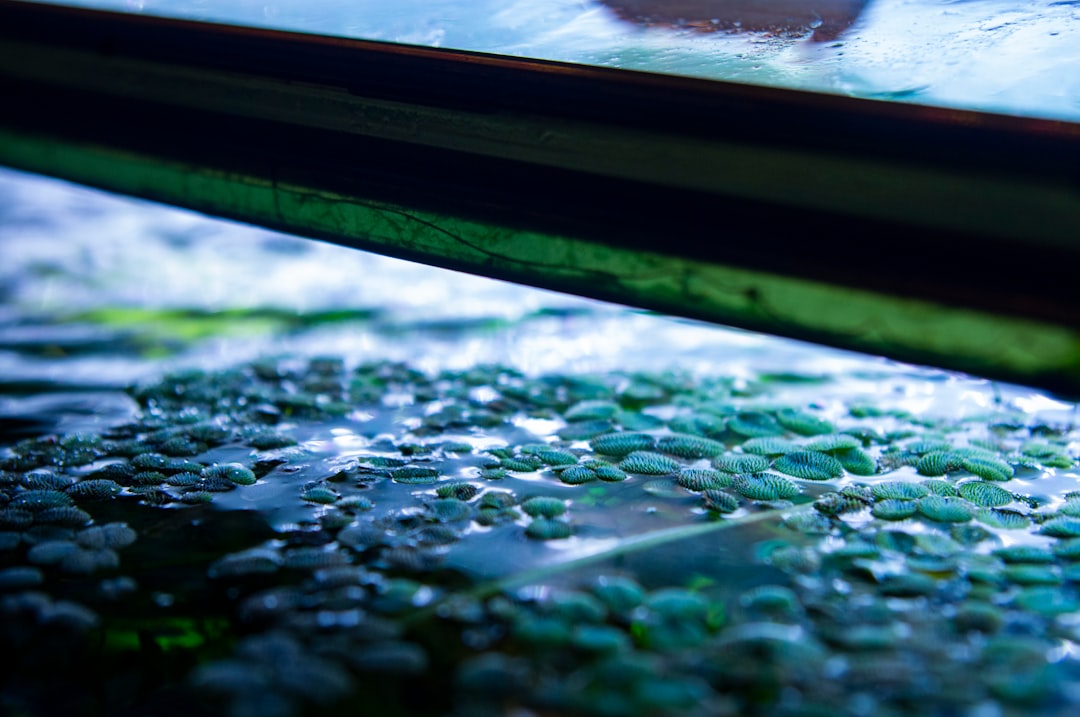
Table of Contents
- What Is Green Water?
- What Causes Green Water in Your Aquarium
- Is Green Water Harmful to Fish?
- How to Fix Green Water
- UV Steriliser: The Best Solution
- Alternative Treatment Methods
- Preventing Green Water
- Pond vs Aquarium Green Water
- Frequently Asked Questions
What Is Green Water?
Green water is one of the most visually alarming problems an aquarium keeper can face. You wake up one morning, glance at your tank, and instead of crystal-clear water, you see what looks like pea soup. The culprit is free-floating single-celled algae — phytoplankton — that has bloomed in the water column.
Unlike other algae types that attach to surfaces (glass, rocks, plants), green water algae float freely, turning your entire water column opaque green. These microscopic organisms reproduce at an extraordinary rate when conditions are right, and in Singapore’s warm climate (28–32°C), blooms can develop seemingly overnight.
The good news? Green water is one of the most treatable algae problems, and the solution is well established. The better news? It is actually far less harmful than it looks.
What Causes Green Water in Your Aquarium
Green water blooms are triggered by an imbalance between light, nutrients, and biological filtration. Here are the most common causes:
Excess Light
This is the number one trigger. Tanks placed near windows in HDB flats and condos receive direct sunlight for several hours daily, providing the intense light that phytoplankton need to bloom. Even aquarium lights left on for too long (more than 10 hours) or set too intensely can trigger a bloom.
Nutrient Imbalance
High levels of ammonia, nitrate, and phosphate in the water column provide the fuel for algae growth. Overfeeding, overstocking, insufficient water changes, or a spike in ammonia from a dead fish can all lead to nutrient spikes that trigger a bloom.
New Tank Syndrome
Newly set-up aquariums are particularly prone to green water. The biological filter has not yet matured, beneficial bacteria populations are low, and nutrient levels can fluctuate wildly. Many hobbyists in Singapore experience green water within the first two to four weeks of setting up a new planted tank, especially when using nutrient-rich aquasoil.
After Large Water Changes or Filter Cleaning
Sometimes a large water change or aggressive filter cleaning disrupts the established microbial balance, giving free-floating algae an opportunity to bloom. Using PUB tap water without adequate dechlorination can also kill off beneficial bacteria, contributing to the problem.
Is Green Water Harmful to Fish?
Here is a fact that surprises many hobbyists: green water is not harmful to fish. In fact, many fish species thrive in green water. Phytoplankton is a natural food source for fry and filter-feeding organisms. Breeders of certain species, such as guppies and medaka, deliberately culture green water to feed their fry.
The reasons green water is generally safe include:
- Phytoplankton produces oxygen during the day through photosynthesis
- It absorbs ammonia and nitrate from the water, improving water quality parameters
- Fish have evolved alongside phytoplankton in natural waterways
- It provides natural food for fry and some invertebrates
The primary issue with green water is aesthetic — you simply cannot see your fish or enjoy your aquascape. In heavily planted tanks, green water can also block light from reaching your plants, causing them to suffer over time.
There is one caution, however: at night, dense phytoplankton can consume significant oxygen through respiration. In tanks with heavy fish loads and dense green water, oxygen levels can drop dangerously low overnight. Ensure good surface agitation if your tank has green water.
How to Fix Green Water
There are several approaches to clearing green water, ranging from the definitive to the temporary. Here is an overview:
| Method | Effectiveness | Speed | Cost |
|---|---|---|---|
| UV steriliser | Excellent (99%+) | 2–5 days | $40–$150 |
| Full blackout | Good | 3–5 days | Free |
| Fine filter floss | Moderate | 3–7 days | $5–$10 |
| Daphnia (live) | Good (natural) | 3–7 days | $5–$15 |
| Chemical flocculants | Temporary | 1–2 days | $10–$20 |
| Large water changes | Temporary | Immediate but returns | Free |
UV Steriliser: The Best Solution
A UV steriliser is, without question, the single most effective solution for green water. It works by exposing water to ultraviolet-C light as it passes through the unit, killing free-floating algae cells, bacteria, and parasites. Within two to five days of running a properly sized UV steriliser, your green water will be completely clear.
How UV Sterilisers Work
Water from your filter is passed through a chamber containing a UV-C bulb (typically 254 nm wavelength). The UV light damages the DNA of microorganisms, preventing them from reproducing. For green water treatment, a relatively low flow rate ensures adequate exposure time (known as dwell time).
Choosing the Right Size
UV steriliser sizing depends on your tank volume and flow rate. Here is a general guide:
| Tank Size | UV Wattage | Recommended Flow Rate |
|---|---|---|
| Up to 100 litres | 5–7 W | 200–400 L/hr |
| 100–250 litres | 9–11 W | 400–800 L/hr |
| 250–500 litres | 13–18 W | 800–1,500 L/hr |
| 500+ litres | 24–36 W | 1,500–3,000 L/hr |
For green water specifically, slower flow rates (longer dwell time) produce faster results. Many hobbyists in Singapore use inline UV sterilisers connected to their canister filter outflow, which keeps the setup clean and hidden within the cabinet.
Important UV Steriliser Tips
- Replace the UV bulb every 6–12 months, as output degrades over time even if the bulb still lights up
- Keep the quartz sleeve clean for maximum UV transmission
- UV sterilisers do not affect beneficial bacteria in your filter — those bacteria are attached to media, not floating in the water
- You can run the UV steriliser temporarily (just for treatment) or permanently (for ongoing prevention)
Alternative Treatment Methods
Blackout Method (3–5 Days)
If you do not have a UV steriliser, a complete blackout can starve the phytoplankton of light. Cover the tank entirely with thick blankets or cardboard — no light whatsoever. Do not feed during the blackout. After three to five days, perform a large water change (50%) and resume normal lighting. This method works but the bloom may return if the underlying cause is not addressed.
Fine Filter Floss
Packing fine filter floss tightly into your filter can physically trap some phytoplankton cells. Replace the floss daily as it clogs quickly. This method works best as a supplement to other treatments rather than a standalone solution.
Daphnia (Water Fleas)
This is nature’s own solution. Daphnia are tiny crustaceans that feed on phytoplankton. Adding a large quantity of live daphnia to your tank can clear green water within a few days. The bonus: your fish will eventually eat the daphnia, so nothing is wasted. Daphnia cultures are available from some local fish shops and online hobbyist groups in Singapore.
Note that daphnia will only work in tanks without fish that would eat them immediately. In a fish-free or lightly stocked tank, they are remarkably effective.
Preventing Green Water
Once cleared, preventing a recurrence requires addressing the root causes:
- Control light exposure: Keep your tank away from direct sunlight. In Singapore, west-facing windows are particularly problematic in the afternoon. Use a timer to limit your photoperiod to 8 hours maximum.
- Do not overfeed: Feed only what your fish consume within two to three minutes, once or twice daily.
- Maintain regular water changes: 30–50% weekly using properly conditioned PUB tap water to keep nutrient levels in check.
- Mature your filter: Allow your biological filtration to fully cycle before adding a full fish load. This takes four to six weeks minimum.
- Use floating plants: Species like Salvinia, Amazon frogbit, or red root floaters compete directly with phytoplankton for light and nutrients. They are excellent natural preventatives.
For more information on tackling all types of algae in your aquarium, read our comprehensive guide on how to get rid of algae in your fish tank.
Pond vs Aquarium Green Water
Green water behaves differently in outdoor ponds compared to indoor aquariums. In Singapore, where many hobbyists keep koi or goldfish ponds on landed property, green water is almost inevitable without intervention.
Ponds receive far more sunlight, have larger volumes, and often carry heavier fish loads relative to filtration. UV sterilisers are considered essential equipment for pond keeping in Singapore, not optional extras. Pond UV units are typically much more powerful (36–55 W or more) to handle the higher flow rates and volumes involved.
In aquariums, green water is more controllable because you manage the light source directly. Blocking sunlight and using a timer for your aquarium light often solves the problem without additional equipment.
Frequently Asked Questions
Will a water change fix green water?
A water change will temporarily dilute the phytoplankton, making the water appear clearer. However, the remaining cells will multiply rapidly and the green water will return within a day or two. Water changes are useful as part of a broader treatment plan but will not solve the problem on their own. For a permanent fix, use a UV steriliser or address the root cause (excess light, nutrients).
Can I use algaecide for green water?
Chemical algaecides can kill phytoplankton but are not recommended. When billions of algae cells die simultaneously, they release a massive amount of organic waste that can cause an ammonia spike, potentially killing your fish. A UV steriliser kills cells gradually as water passes through, avoiding this problem. If you must use a chemical treatment, dose conservatively and monitor ammonia closely.
How long does it take a UV steriliser to clear green water?
A properly sized UV steriliser will noticeably clear green water within 24–48 hours. Complete clarity typically takes two to five days depending on the severity of the bloom, the UV wattage, and the flow rate. Running the UV steriliser continuously during treatment produces the fastest results.
Why does green water keep coming back?
Recurring green water indicates an unresolved underlying issue. The most common culprits are direct sunlight hitting the tank, a photoperiod that is too long, overfeeding, or inadequate biological filtration. If you clear the bloom but do not fix the cause, phytoplankton will bloom again as soon as conditions allow. Address the root cause alongside your treatment for lasting results.
Need Help With Your Aquarium?
At Gensou Aquascaping, we have been helping Singapore hobbyists solve water quality challenges for over 20 years. Whether you need advice on UV steriliser selection, a professional maintenance service, or a complete aquascaping overhaul, we are here to help.
Visit our studio at 5 Everton Park, Singapore, or contact us to discuss your aquarium needs. Clear water is just a conversation away.
Related Reading



