
Malachite Green in Aquariums: Treating Ich and Fungus Safely
Few aquarium medications generate as much debate as malachite green — and rightly so. It is one of the most effective treatments for ich and fungal infections available to hobbyists, yet it demands careful handling and precise dosing to avoid toxicity. Understanding the malachite green aquarium treatment guide in full — including what it treats, what it harms, and how to use it correctly — is essential before you open the bottle. Gensou Aquascaping at 5 Everton Park, Singapore recommends it selectively, with clear safety boundaries.
What Malachite Green Treats
Malachite green (MG) is a synthetic dye with strong antifungal and antiprotozoal properties. In aquariums, it is used primarily against Ichthyophthirius multifiliis (white spot / ich), Saprolegnia fungal infections, Costia, and superficial external parasites. It works by disrupting cellular respiration and reproduction in the pathogen, killing free-swimming theronts of ich before they can re-attach.
It does not treat internal parasites or bacterial infections. Using it for those conditions will stress your fish with no therapeutic benefit.
Safe Dosing for Freshwater Tanks
The standard dose for ornamental freshwater fish is 0.05–0.15 mg per litre (ppm). Most commercial formulations in Singapore — sold at aquarium shops in the Serangoon North area and online via Shopee — come as a liquid concentrate at 0.038% or similar strength. Always follow the specific product’s label dose rather than generic advice, as concentrations vary between brands.
Treatment is typically applied every 48 hours for three to four doses. Remove activated carbon from the filter before dosing — it will adsorb the medication instantly, rendering treatment ineffective. Maintain strong aeration throughout, as malachite green slightly reduces dissolved oxygen.
What It Cannot Go Near
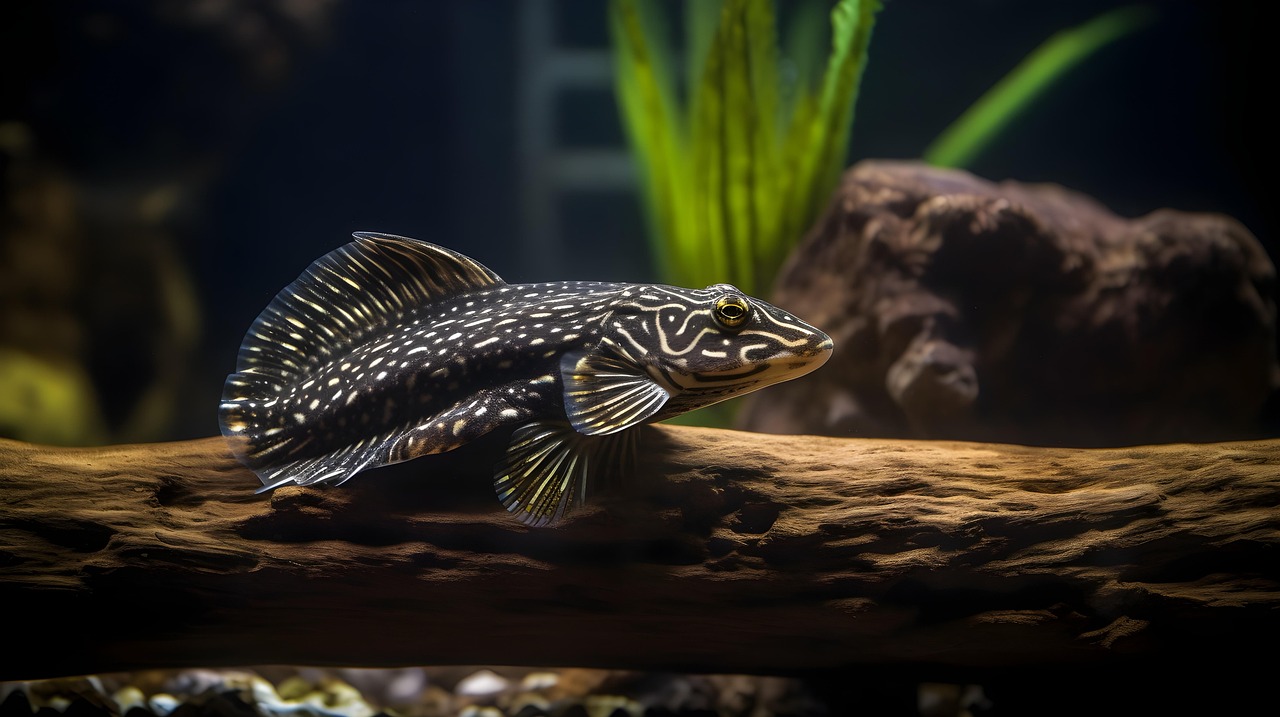
Malachite green is highly toxic to scaleless fish — loaches, catfish, and eels tolerate it poorly and require half the standard dose at most. Shrimp, snails, and other invertebrates are extremely sensitive and will die at therapeutic doses. Never treat a community tank containing shrimp without moving them to a separate vessel first. Sensitive planted species, particularly mosses and liverworts, may show yellowing at full therapeutic concentrations.
Avoid use in tanks with newly established biological filters. The medication is mildly toxic to nitrifying bacteria, and a young cycle can collapse under repeated doses. Test ammonia daily during any treatment course.
Using It in a Hospital Tank
The safest approach is always to treat sick fish in a dedicated hospital tank — a bare 20-litre container with a sponge filter, heater, and strong aeration is sufficient. This protects your display tank’s ecology, lets you dose precisely, and allows daily water changes without the complexity of managing a full planted system. Change 30% of the hospital tank water before each new dose to remove accumulated organic waste and medication breakdown products.
Human Safety Precautions
Malachite green is classified as a potential carcinogen and mutagen in humans with chronic exposure. Wear nitrile gloves whenever handling it — it stains skin, clothing, and silicone seals a persistent blue-green. Work in a ventilated area and wash hands thoroughly after use. Do not allow it to contact mucous membranes. Store it in a locked cabinet away from children, and away from food preparation areas. In Singapore, safe chemical disposal means diluting heavily and disposing via sink with copious water — check NEA guidelines for any local updates on chemical waste.
Alternatives to Consider
For hobbyists uncomfortable with the handling risks, copper sulphate-based treatments offer similar efficacy against ich with a better-understood safety profile for fish. Formalin combined with malachite green (a classic “formalin-malachite” product) is used commercially by fish farms across Singapore and Southeast Asia, providing broader spectrum coverage at lower individual compound doses. For mild cases in shrimp-safe tanks, elevated temperature (raising to 30°C over 24 hours) combined with frequent water changes can resolve ich outbreaks without medication, exploiting the pathogen’s shortened life cycle in warmer water.
After Treatment Ends
Run fresh activated carbon for 48 hours after the final dose to remove residual medication. Perform a 30–40% water change before returning healthy fish to the display tank. Monitor for signs of stress — rapid breathing, colour loss, or loss of appetite — for one week post-treatment. A full water chemistry check (ammonia, nitrite, pH) confirms the biological filter has remained stable. The malachite green aquarium treatment guide ends not at the last dose, but only once your fish are eating normally and your parameters are solid.
Related Reading



