
Betta vs Gourami: Similarities, Differences and Can They Coexist?
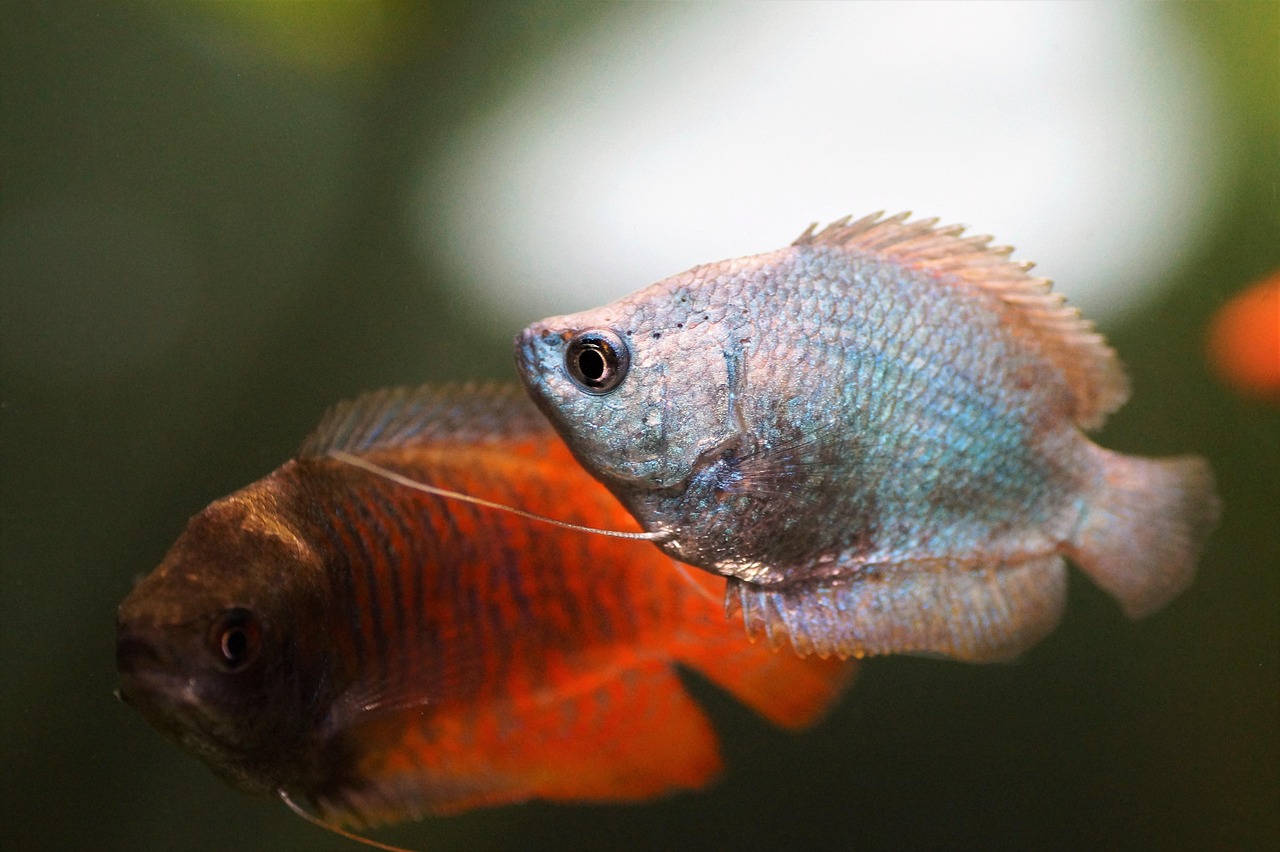
Table of Contents
- The Labyrinth Connection
- Key Similarities
- Key Differences
- Side-by-Side Comparison
- Can Bettas and Gouramis Live Together?
- The Honey Gourami Exception
- Which Should You Choose?
- Keeping Either Species in Singapore
- Frequently Asked Questions
The Labyrinth Connection
Bettas and gouramis are more closely related than most hobbyists realise. Both belong to the suborder Anabantoidei and share a remarkable evolutionary adaptation: the labyrinth organ. This specialised structure allows them to breathe atmospheric air directly from the surface, supplementing the oxygen they extract through their gills.
This shared ancestry explains why the betta vs gourami comparison comes up so frequently. They look similar in some respects, behave similarly in others and unfortunately share certain territorial tendencies that make housing them together a challenge. Understanding both the similarities and the differences is essential for making the right choice for your aquarium.
Key Similarities
Labyrinth Breathing
Both species regularly visit the surface to gulp air. This means they tolerate water with lower dissolved oxygen levels than most tropical fish, which is particularly relevant in Singapore where warmer water naturally holds less oxygen. However, this is a survival mechanism, not a preference. Both species still benefit from well-oxygenated water with good surface agitation.
Bubble Nest Building
Male bettas and many male gouramis build bubble nests at the water surface as part of their breeding behaviour. These clusters of saliva-coated bubbles serve as nurseries for eggs and fry. Even without a female present, males will often construct bubble nests, a sign of good health and contentment. It is a fascinating behaviour to observe in either species.
Surface Territory
Both bettas and gouramis primarily occupy the upper portion of the water column. They patrol the surface and mid-water zones, which is precisely why territorial conflicts arise when they are kept together. Two surface-dwelling territorial fish in the same tank is a recipe for stress.
Sensitivity to Water Quality
Neither species is as hardy as commonly believed. Both are susceptible to bacterial infections, fin rot and parasites when water quality deteriorates. Regular water changes and consistent parameters are essential for long-term health.
Key Differences
Aggression Levels
Bettas are significantly more aggressive, particularly males. A male betta will attack another male betta on sight, and this aggression extends to any fish it perceives as a rival. Gouramis are generally less intensely aggressive, though males can be territorial, particularly during breeding. The aggression in gouramis is usually expressed through chasing and posturing rather than the sustained combat that bettas engage in.
Social Structure
Most gourami species can be kept in groups when given adequate space, with a ratio of one male to two or three females. Bettas, by contrast, must be kept singly (males) or are generally best kept alone. Female betta “sororities” are frequently attempted but have a high failure rate and cause chronic stress.
Size Range
This is where gouramis offer tremendous variety. Species range from the tiny sparkling gourami (4 centimetres) to the massive giant gourami (up to 70 centimetres). Bettas are consistently 6-7 centimetres. This size range means there is a gourami species suited to almost any tank size.
Colour Variety
Bettas win this category decisively. Decades of selective breeding have produced an astonishing range of colours, patterns and fin types. From halfmoon to crowntail, from solid metallic to galaxy koi patterns, the variety is unmatched by any other freshwater fish. Gouramis have beautiful natural colouration but far less man-made diversity.
Side-by-Side Comparison
| Feature | Betta | Gourami (common species) |
|---|---|---|
| Adult size | 6-7 cm | 4-15 cm (species dependent) |
| Minimum tank size | 20 litres (solo) | 40-150 litres (species dependent) |
| Aggression | High (males especially) | Low to moderate |
| Can be kept in groups | No (males) | Yes (most species, with proper ratios) |
| Colour variety | Exceptional (hundreds of variants) | Moderate (natural colours) |
| Fin types | Many (halfmoon, crowntail, plakat, etc.) | Limited natural variation |
| Lifespan | 2-4 years | 3-8 years (species dependent) |
| Care difficulty | Easy to moderate | Easy to moderate |
| Temperature range | 24-30°C | 22-28°C (most species) |
| Community suitability | Limited (individual dependent) | Good (most species) |
| Bubble nest | Yes (males) | Yes (most males) |
Can Bettas and Gouramis Live Together?
The straightforward answer is no, in most cases they should not be kept together. The reasons are rooted in biology:
- Territorial overlap: Both species occupy the same water column zone (surface and mid-water). In a shared tank, they are constantly in each other’s space with no way to avoid confrontation.
- Visual similarity: Bettas recognise gouramis as related fish. The body shape, surface-dwelling behaviour and labyrinth breathing all trigger the betta’s territorial response.
- Chronic stress: Even when outright fighting does not occur, the constant posturing and chasing causes chronic stress. This suppresses immune function and shortens the lifespan of both fish.
- Escalation risk: A pairing that seems peaceful for weeks can suddenly turn violent, particularly if either fish enters breeding condition or if the tank parameters shift.
Many hobbyists try this combination and report initial success, only to find one fish injured or dead within a few months. The risk simply is not worth taking when both species are easy to keep happily in separate setups.
The Honey Gourami Exception
If there is one gourami species that sometimes coexists with a betta, it is the honey gourami (Trichogaster chuna). Honey gouramis are exceptionally docile, small (4-5 centimetres) and timid. They lack the bold colouration and assertive behaviour that triggers betta aggression in most cases.
However, “sometimes works” is not the same as “recommended.” Success requires:
- A tank of at least 80 litres (more space reduces encounters)
- Dense planting with many visual barriers
- A betta with a proven calm temperament
- Introducing the honey gourami first, then adding the betta
- Constant monitoring for the first several weeks
- A backup plan (separate tank) if aggression develops
Even under ideal conditions, this is a gamble. It is safer to choose one species and dedicate the tank to it.
For detailed care information on specific gourami species, read our dwarf gourami care guide and honey gourami care guide.
Which Should You Choose?
The best species for you depends on your goals, tank size and what you enjoy watching.
Choose a Betta If You:
- Have a smaller tank (20-40 litres)
- Want a single, charismatic pet fish with stunning colours
- Enjoy the interactive behaviour bettas display with their owners
- Want a fish that recognises you and responds to your presence
- Prefer a solo-species or very limited community setup
Choose Gouramis If You:
- Have a larger tank (60 litres or more)
- Want to keep a group of the same species
- Plan a community tank with multiple species
- Prefer more natural, subtle colouration
- Want a longer-lived fish (some gouramis live 6-8 years)
Keeping Either Species in Singapore
Both bettas and most gourami species thrive in Singapore’s climate. The ambient temperature of 28-32 degrees Celsius is within the tolerance range for both, though extended periods above 30 degrees Celsius can be stressful. An aquarium fan or the natural cooling effect of air conditioning is usually sufficient.
Singapore’s PUB-treated tap water is suitable for both species once dechlorinated. The slightly soft, slightly acidic profile matches their natural habitats in Southeast Asia. In fact, both species originated in this part of the world, making Singapore’s conditions a reasonably close approximation of their wild environment.
Frequently Asked Questions
Are gouramis easier to keep than bettas?
Both are similar in care difficulty. Gouramis require larger tanks and are best kept in groups, which adds complexity. Bettas are simpler in terms of stocking but can be more prone to fin-related diseases (fin rot, fin biting). Dwarf gouramis specifically are susceptible to Dwarf Gourami Iridovirus, which makes them arguably harder to keep healthy long-term. Honey gouramis and pearl gouramis are hardier options.
Can female bettas live with gouramis?
Female bettas are less aggressive than males, but they are still territorial and can still conflict with gouramis over surface territory. The combination is slightly less risky than male betta with gouramis, but it is not recommended. The same fundamental problem of territorial overlap remains.
Do gouramis build bigger bubble nests than bettas?
It varies by species. Dwarf gourami males build impressive, elaborate bubble nests that can span several centimetres across. Betta bubble nests range from small, tight clusters to large, well-structured domes depending on the individual. The nest-building behaviour is equally fascinating to watch in both species.
Expert Guidance for Your Setup
Whether you choose a betta or a gourami, getting the setup right from the start makes all the difference. Gensou Aquascaping has been helping Singapore hobbyists create beautiful, healthy aquariums for over 20 years. Visit us at 5 Everton Park for hands-on advice, quality livestock and professional aquarium services tailored to your space.
Related Reading

emilynakatani
Still Have Questions About Your Tank?
Drop by Gensou Aquascaping — most walk-in questions get answered in under 10 minutes by someone who has set up hundreds of tanks.
5 Everton Park #01-34B, Singapore 080005 · Open daily 11am – 8pm


