
Honey Gourami Care Guide: The Gentle Golden Centrepiece
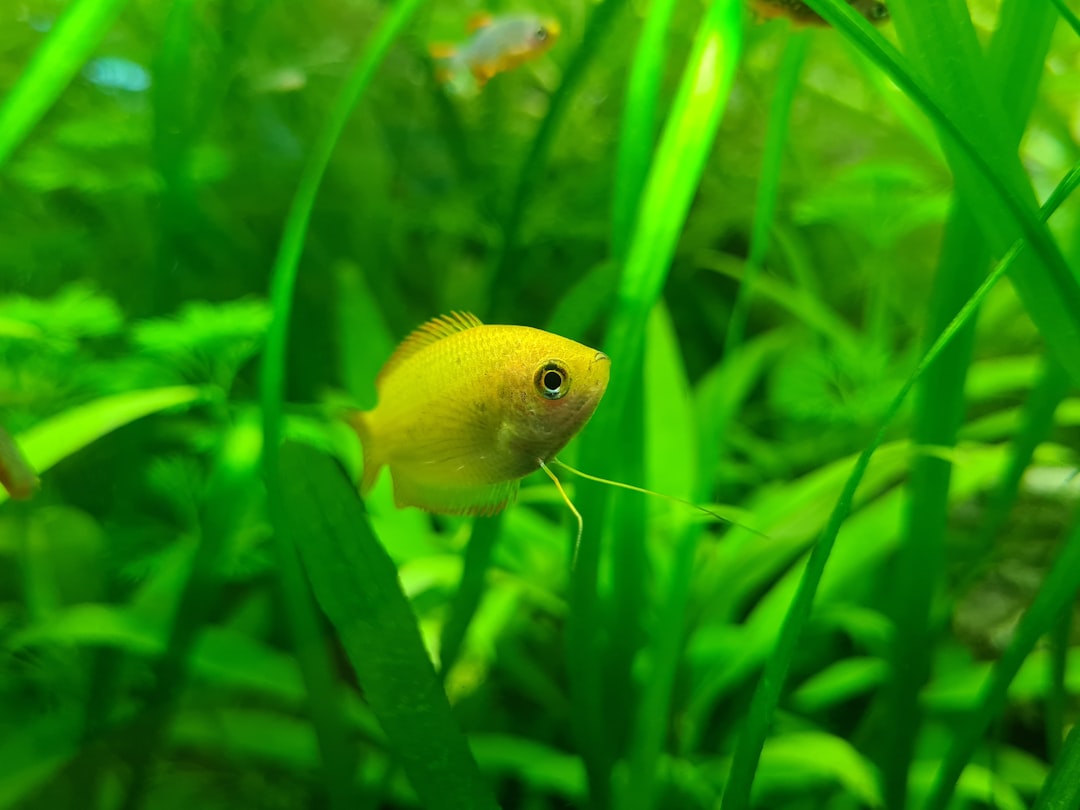
If you have ever been drawn to the idea of a dwarf gourami but worried about their well-known health issues, the honey gourami (Trichogaster chuna) might be exactly what you are looking for. This gentle, golden-hued labyrinth fish offers all the charm and personality of its more famous cousin — without the devastating susceptibility to Dwarf Gourami Iridovirus (DGIV) that plagues Trichogaster lalius.
Compact, peaceful and genuinely hardy, the honey gourami is an outstanding centrepiece fish for small to medium planted tanks. This honey gourami care guide covers everything you need to know about keeping them thriving in a Singapore aquarium.
Not a Dwarf Gourami: Understanding the Difference
One of the most common points of confusion in the aquarium hobby is the conflation of honey gouramis with dwarf gouramis. They are different species entirely, and the distinction matters enormously for your fishkeeping success.
| Feature | Honey Gourami (T. chuna) | Dwarf Gourami (T. lalius) |
|---|---|---|
| Maximum size | 4-5cm | 6-8cm |
| Body shape | Slightly more elongated | Rounder, deeper body |
| Wild colouration | Honey-gold with dark lateral stripe | Bold red and blue stripes |
| Hardiness | Hardy | Susceptible to DGIV |
| Temperament | Very peaceful | Can be semi-aggressive |
| Disease risk | Low | High (DGIV is widespread) |
The Dwarf Gourami Iridovirus (DGIV) is a devastating viral disease that affects a distressingly large percentage of commercially bred dwarf gouramis. There is no cure, and affected fish deteriorate and die. Honey gouramis are not susceptible to DGIV, making them a far more reliable choice. For a detailed comparison, see our dwarf gourami care guide.
Colour Variations
Despite their small size, honey gouramis come in several attractive colour forms.
- Wild type — A subtle honey-gold body with a dark brown lateral stripe running from the eye to the tail. Males develop a dark throat and ventral area when in breeding condition. Understated but elegant.
- Gold/Yellow — Selectively bred for an intensified golden-yellow colour across the entire body. The most commonly available form in Singapore shops. Sometimes sold as “sunset honey gourami.”
- Sunset/Red — Enhanced orange-red colouration, particularly vivid in males. Striking against green planted backgrounds.
Males are generally more colourful than females and develop a pointed dorsal fin. Females are paler with a rounder dorsal fin and fuller body. When males are displaying or in breeding condition, their throat and belly darken dramatically to near-black — a striking contrast against their golden body.
Tank Setup
Honey gouramis are small fish with modest space requirements, making them practical for Singapore’s HDB and condo living situations.
| Parameter | Recommendation |
|---|---|
| Minimum tank volume | 40 litres for a pair |
| Ideal tank volume | 60-80 litres for a small group |
| Filtration | Gentle flow (sponge filter ideal) |
| Substrate | Any — sand, gravel or aqua soil |
| Plants | Heavily planted, with floating plants |
| Lighting | Moderate; floating plants diffuse harsh light |
Honey gouramis are naturally found in densely vegetated, slow-moving waters. Replicate this with abundant planting — stem plants, Cryptocoryne species and Java fern all work beautifully. Floating plants are particularly important, as they provide shade, reduce stress and create the surface cover that gouramis feel most comfortable under. Species like Amazon frogbit, salvinia and red root floaters are all excellent choices.
Keep water flow gentle. Strong currents stress gouramis and make it difficult for males to build bubble nests. A sponge filter or a canister filter with a spray bar dispersing the outflow works well.
Water Parameters for Singapore
Honey gouramis are adaptable fish that handle a range of water conditions — another advantage over the more finicky dwarf gourami.
| Parameter | Ideal Range |
|---|---|
| Temperature | 22-28°C |
| pH | 6.0-7.5 |
| GH | 4-15 dGH |
| KH | 4-8 dKH |
| Ammonia/Nitrite | 0 ppm |
| Nitrate | Below 20 ppm |
Singapore’s tap water pH of 7-8 is at the upper end of their preferred range but entirely workable. The bigger consideration in Singapore is temperature — our ambient 28-32°C can push above their ideal maximum. In most indoor settings, 28-29°C is fine, but if your tank consistently exceeds 30°C, ensure good surface agitation for oxygen exchange, as warmer water holds less dissolved oxygen. A small fan blowing across the water surface can drop temperatures by 2-3°C through evaporative cooling.
Always treat tap water with a dechlorinator that neutralises chloramine before adding it to your tank.
The Labyrinth Organ
Like all gouramis and bettas, honey gouramis possess a labyrinth organ — a specialised breathing structure that allows them to gulp atmospheric air directly from the water surface. This adaptation evolved in their native habitat of warm, oxygen-poor waters in South and Southeast Asia.
What this means for fishkeepers:
- Honey gouramis need access to the water surface — never completely cover the tank with a tight-fitting lid that eliminates the air gap.
- The air above the water surface should be warm and humid. A partially covered tank retains warmth; a fully open tank in an air-conditioned room can lead to labyrinth organ problems if the fish breathes cold, dry air.
- The labyrinth organ makes them more tolerant of low-oxygen conditions than many other species — but this is not an excuse for poor husbandry. Maintain good water quality regardless.
Feeding and Diet
Honey gouramis are omnivores with small mouths. They accept most aquarium foods readily but do best with a varied diet.
- Staple — High-quality micro pellets or crushed flakes
- Frozen foods — Baby brine shrimp, daphnia, cyclops (2-3 times weekly)
- Live foods — Daphnia, microworms, vinegar eels (excellent treats)
- Supplementary — Blanched vegetables, spirulina-based foods
Feed small amounts twice daily. Honey gouramis are not aggressive feeders — in a community tank, ensure they are actually getting their share. Slow-sinking foods work well, as honey gouramis tend to feed in the mid-water to upper water column.
Behaviour and Temperament
Honey gouramis are among the most peaceful fish in the entire hobby. Their gentle, inquisitive nature makes them a joy to observe — they move deliberately through the tank, investigating plants and decor with their modified pelvic fin filaments, which function as sensory organs.
They can be shy, especially when first introduced to a new tank or when kept with boisterous tank mates. Floating plants and dense vegetation give them confidence. Once settled, they become bolder and more visible.
Keeping Multiple Honey Gouramis
- A single specimen — Works fine as a centrepiece in a small tank
- A pair (male and female) — The male will display beautifully for the female
- A trio (1 male, 2 females) — Ideal ratio in a 60-litre or larger tank
- Multiple males — Can coexist in larger, well-planted tanks with minimal aggression; occasional displaying but rarely harmful
Tank Mates
Given their gentle nature, honey gouramis need equally peaceful companions.
Excellent Tank Mates
- Ember tetras — A match made in heaven; similar water preferences and peaceful disposition
- Corydoras catfish — Gentle bottom dwellers that complement the gourami’s mid-water presence
- Harlequin rasboras — Peaceful schoolers
- Cherry shrimp — Generally safe; honey gouramis rarely bother adult shrimp
- Otocinclus — Shy, peaceful algae eaters
- Kuhli loaches — Nocturnal bottom dwellers
Tank Mates to Avoid
- Aggressive or boisterous species — Tiger barbs, larger cichlids
- Fin nippers — Serpae tetras, some barbs
- Very large or fast-moving fish — Will intimidate honey gouramis into hiding
- Other gourami species — Can cause stress through territorial disputes (especially male dwarf gouramis)
Bubble Nests and Breeding
Male honey gouramis are bubble nest builders — they create floating rafts of mucus-coated air bubbles at the water surface, typically anchored among floating plants. Bubble nest construction is a sign of a healthy, contented male and is fascinating to watch.
Breeding Process
- Nest building — The male constructs a bubble nest at the surface, often among floating plants. He darkens his throat and belly to near-black and intensifies his golden colouration.
- Courtship — The male displays beneath the nest, flaring his fins and swimming in exaggerated patterns to attract the female.
- Spawning embrace — The pair wraps around each other beneath the nest in a characteristic gourami embrace. The female releases eggs, which the male fertilises and immediately collects in his mouth, spitting them into the bubble nest.
- Guarding — The male guards the nest aggressively, fanning the eggs and repairing the nest. Remove the female at this stage, as the male may harass her.
- Hatching — Eggs hatch within 24-36 hours at Singapore temperatures.
- Free-swimming fry — After 2-3 days, fry become free-swimming. Remove the male to prevent accidental predation.
Feed fry with infusoria initially, transitioning to baby brine shrimp and microworms as they grow. Raising fry requires dedication but is deeply rewarding.
Frequently Asked Questions
Is the honey gourami better than the dwarf gourami?
For most hobbyists, yes. Honey gouramis are significantly hardier, free from the DGIV virus that kills so many dwarf gouramis, and even more peaceful. They are smaller and less vividly coloured than a healthy dwarf gourami, but the dramatically lower disease risk makes them a more reliable choice. Our dwarf gourami care guide covers the comparison in detail.
How many honey gouramis can I keep in a 40-litre tank?
A pair (one male, one female) is comfortable in a well-planted 40-litre tank. For a trio or small group, aim for 60 litres or more. Always provide ample plant cover and floating plants to reduce any stress.
Will honey gouramis eat cherry shrimp?
Adult cherry shrimp are generally safe with honey gouramis. However, very small shrimplets may occasionally be eaten — this is true of most fish. In a densely planted tank with plenty of moss and hiding spots, the shrimp population will sustain itself alongside honey gouramis without issue.
Why is my honey gourami hiding all the time?
New honey gouramis often hide for several days while adjusting. Ensure the tank has floating plants, dim lighting and peaceful tank mates. Avoid tapping the glass or making sudden movements near the tank. Once settled — usually within a week — they become noticeably bolder. If hiding persists, check for aggressive tank mates or poor water quality.
Related Reading
- How to Breed Honey Gouramis: Bubble Nests and Fry Care
- Honey Gourami vs Dwarf Gourami: Temperament, Size and Hardiness
- Sparkling Gourami vs Honey Gourami: Nano Gourami Compared
- How to Breed Chocolate Gouramis: Mouthbrooding and Blackwater Tips
- Chocolate Gourami Care Guide: Beautiful but Demanding
Add a Golden Glow to Your Aquarium
The honey gourami is proof that a fish does not need to be large, rare or demanding to be captivating. Their warm colouration, gentle personality and fascinating bubble-nesting behaviour make them a superb choice for planted tanks of all sizes — and their hardiness means you can enjoy them without the heartbreak that too often accompanies dwarf gourami keeping.
Looking for the perfect nano or community tank setup? Gensou has over 20 years of aquascaping experience in Singapore. Visit our shop at 5 Everton Park or get in touch to discuss your ideal aquarium.



