
Best Plants for a Shrimp Tank: Hiding, Grazing and Breeding
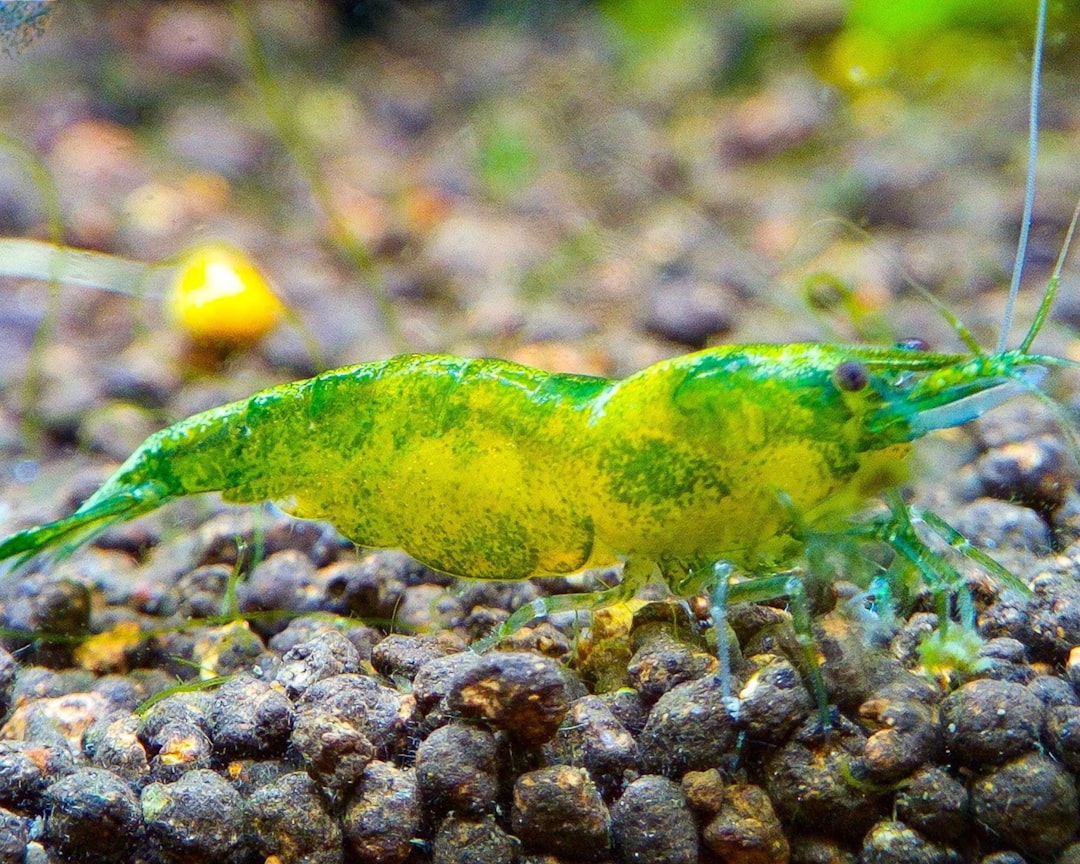
Plants are not just decoration in a shrimp tank — they are infrastructure. The right plants provide hiding spots for shrimplets, surfaces for biofilm growth, cover from perceived threats, and stable water chemistry through nutrient absorption. A bare shrimp tank can work, but a planted one is where shrimp truly thrive and breed prolifically.
At Gensou, we have been setting up shrimp tanks in Singapore for over 20 years. From nano Cherry Shrimp setups in HDB studies to elaborate Caridina breeding racks in condo spare rooms, we have seen which plants consistently deliver results for shrimp keepers. This guide ranks them by their practical benefit to shrimp.
How We Ranked These Plants
Our ranking is based purely on how much each plant benefits shrimp, not on aesthetics or aquascaping merit. The criteria are:
- Shrimplet shelter — does the plant provide hiding spots that increase baby shrimp survival?
- Biofilm surface area — does the plant support biofilm growth that shrimp can graze on?
- Ease of care — can it thrive in the low-tech, stable conditions most shrimp tanks run?
- Water quality contribution — does it help maintain stable, clean water?
- Safety — is it reliably free from pesticides and other contaminants?
1. Java Moss
Taxiphyllum barbieri is the undisputed champion of shrimp tank plants. No other plant combines hiding ability, biofilm production and ease of care quite as effectively.
Why Shrimp Love It
- Dense structure — the tangled, branching growth creates a three-dimensional maze that shrimplets can hide in while remaining invisible to predators (or curious tankmates).
- Biofilm magnet — moss surfaces accumulate biofilm rapidly, providing a constant food source. Shrimp graze on moss constantly, picking off microorganisms and organic particles.
- Breeding habitat — berried females often retreat into moss clumps, and newly released shrimplets find immediate shelter among the fronds.
Care in Singapore
Java Moss thrives in Singapore’s warm water (28–32 °C) without CO2 or strong light. It can be tied to driftwood, glued to rocks, or simply left as a free-floating clump. It grows in virtually any conditions, though it looks tidiest with regular trimming. In Singapore’s warmth, growth is moderate to fast, and the moss may need thinning every few weeks to prevent it from becoming too dense (which can trap debris in the centre).
2. Subwassertang
Lomariopsis lineata, commonly called Subwassertang (German for “freshwater seaweed”), is a liverwort that looks like small, rounded green fronds. It provides many of the same benefits as Java Moss but with a different texture.
Why Shrimp Love It
- Leafy structure — the round, overlapping fronds create layered hiding spots similar to moss but with a different architecture. Shrimplets tuck between the fronds.
- Excellent biofilm surface — the broad, slightly rough leaf surfaces accumulate biofilm readily. Shrimp graze on Subwassertang with the same enthusiasm as moss.
- Slow decomposition — unlike fast-growing plants that shed leaves, Subwassertang is stable and does not produce significant plant debris.
Care in Singapore
Subwassertang is extremely low-maintenance. It tolerates low light, does not need CO2, and grows slowly enough that it rarely needs trimming. It can be wedged into crevices in hardscape, placed in mesh bags, or simply left loose on the substrate. It prefers slightly cooler water (22–26 °C is ideal), so in Singapore’s warmer conditions, it grows more slowly — but this is actually an advantage in a shrimp tank, where stability is valued over rapid growth.
3. Floating Plants (Frogbit, Salvinia)
Amazon Frogbit (Limnobium laevigatum) and Salvinia (Salvinia minima or S. natans) are floating plants with long, dangling roots that extend into the water column.
Why Shrimp Love Them
- Root biofilm — the dangling root systems develop thick biofilm coatings that shrimp actively feed on. In a well-established tank, you can often see shrimp hanging upside-down from floating plant roots, grazing contentedly.
- Cover from above — floating plants provide shade and visual cover, reducing stress in shrimp that feel exposed under bright lights.
- Nutrient absorption — floating plants are aggressive nutrient consumers, helping to maintain low nitrate levels and stable water chemistry.
- Shrimplet shelter — the root mass provides additional hiding spots near the water surface where shrimplets can forage safely.
Care in Singapore
Floating plants thrive in Singapore’s conditions. Our warm temperatures (28–32 °C) and humidity suit them perfectly. The main challenge is managing their growth — they reproduce rapidly by producing daughter plants, and can cover the entire water surface within weeks, blocking light from plants below. Thin regularly, removing excess plants weekly. Ensure surface agitation for gas exchange is not completely blocked by the floating canopy.
4. Bucephalandra
Bucephalandra species (commonly called “Buce”) are slow-growing epiphytes from Borneo with thick, textured leaves. They have become enormously popular in the Singapore shrimp keeping community.
Why Shrimp Love Them
- Biofilm on leaves — the thick, slightly textured leaf surfaces accumulate biofilm readily, and shrimp graze on Buce leaves constantly.
- Slow growth = stability — Bucephalandra grows very slowly, which means it does not rapidly change the tank environment. Shrimp tanks benefit from stability above all else.
- Durable leaves — unlike delicate stem plants, Buce leaves are tough and long-lasting. They provide consistent grazing surfaces for months without shedding.
- Rhizome habitat — when attached to driftwood or rocks, the creeping rhizome creates small crevices and overhangs that shrimplets shelter in.
Care in Singapore
Bucephalandra is easy to grow. It tolerates low to moderate light, does not need CO2, and thrives attached to hardscape (do not bury the rhizome in substrate). It handles Singapore’s warm water well. The main consideration is price — rare Buce varieties can be expensive, though common species like B. ‘Wavy Green’ and B. ‘Brownie’ are affordable and widely available in Singapore.
5. Anubias
Anubias species, particularly A. barteri var. nana and A. ‘Petite’, offer similar benefits to Bucephalandra with broader leaves.
Why Shrimp Love Them
- Broad leaf surfaces — Anubias leaves are wide, smooth platforms that accumulate biofilm and are easy for shrimp to graze on. Shrimp often sit on Anubias leaves, feeding on the biofilm layer.
- Shelter — the overhanging leaves create shaded areas beneath them where shrimp (especially newly moulted, vulnerable individuals) can hide.
- Indestructible — Anubias is almost impossible to kill. It tolerates low light, no CO2, and a wide range of water parameters. In a shrimp tank where stability is the priority, this resilience is invaluable.
Care in Singapore
Anubias thrives in Singapore conditions with minimal care. Attach to hardscape (do not bury the rhizome), provide basic light, and it will grow slowly and steadily. The one issue is potential for spot algae on the slow-growing leaves — but in shrimp tanks, the shrimp themselves often keep this in check by grazing on algae as part of their natural behaviour.
6. Cholla Wood
Cholla wood is not a plant but it deserves a place on this list for its unique contribution to shrimp tanks. It is the dried skeleton of the Cholla cactus (Cylindropuntia spp.), featuring a hollow, tubular structure with a network of holes.
Why Shrimp Love It
- Perfect hiding structure — the tubular form with multiple entry holes is ideal shrimplet habitat. Baby shrimp can enter and exit through holes that are too small for most fish.
- Biofilm surface — as cholla wood waterloggs and begins to decompose slowly, it develops a rich biofilm coating that shrimp graze on enthusiastically.
- Soft decomposition — over months, cholla wood softens and shrimp nibble on the decomposing wood itself, extracting nutrients and microorganisms.
- Tannin release — cholla wood leaches mild tannins, which can slightly lower pH and provide antimicrobial properties.
Care in Singapore
Cholla wood is widely available in Singapore aquarium shops and online. Soak it for 24–48 hours before adding to the tank to waterlog it (otherwise it floats). In Singapore’s warm water, it decomposes faster than in cooler climates — expect to replace it every 6–12 months as it breaks down. This decomposition is not a problem; it is part of how it benefits the shrimp.
7. Indian Almond Leaves
Indian Almond Leaves (IAL, Terminalia catappa) are another non-plant item that is essential in many shrimp setups. In Singapore, the trees grow everywhere, and dried leaves are easily collected or purchased.
Why Shrimp Love Them
- Biofilm development — as the leaf decomposes in water, it develops a thick layer of biofilm and fungal growth that is a primary food source for shrimp and especially shrimplets.
- Tannins — IAL releases tannins that lower pH slightly, have mild antibacterial and antifungal properties, and create the “blackwater” conditions that some Caridina species prefer.
- Shelter — the leaf itself provides a flat hiding spot. Shrimp often congregate on and under decomposing IAL.
- Free and abundant — in Singapore, Terminalia catappa trees are common. Collect fallen brown (not green) leaves, rinse them, and add directly to the tank.
Care in Singapore
Add one medium leaf per 20–30 litres. Replace as it fully decomposes (typically every 2–4 weeks in our warm water). If you dislike the yellow tint that tannins produce, soak the leaf in hot water for an hour before adding to reduce the initial tannin release. Some hobbyists run activated carbon to keep the water clear while still benefiting from the biofilm the leaf produces.
8. Monte Carlo Carpet
Micranthemum ‘Monte Carlo’ is a popular carpeting plant that, when densely grown, provides surprisingly good habitat for shrimp.
Why Shrimp Love It
- Shrimplet hiding — a dense Monte Carlo carpet creates a mat of interwoven stems and leaves. Shrimplets hide between the stems at substrate level, where they are nearly invisible and safe from predation.
- Grazing surface — the large leaf surface area of a carpet provides extensive grazing territory for shrimp.
- Detritus trapping — carpets trap fine organic particles that shrimp feed on, effectively creating a self-replenishing feeding ground.
Care in Singapore
Monte Carlo requires moderate to high light and benefits significantly from CO2 injection, making it more demanding than the other plants on this list. It is included here because its benefit to shrimp is genuine — but it is best suited to high-tech shrimp setups rather than basic breeding tanks. In Singapore’s warm water, it grows reasonably well with adequate light and CO2.
What to Avoid: Pesticide-Treated Plants
This is perhaps the most critical section of this guide. Plants treated with pesticides — particularly copper-based pesticides — can kill every shrimp in your tank.
The Copper Pesticide Problem
Many aquarium plant farms use copper-based pesticides to keep their plants “snail-free”. When you see plants advertised as snail-free or pest-free, this often means they have been treated with copper sulphate or similar compounds. The residual copper on these plants, even in amounts invisible to the eye, can be lethal to shrimp.
Plants from farms that advertise “snail-free” stock should be treated with extreme caution. The absence of snails on commercially grown plants is often a red flag, not a selling point, for shrimp keepers.
How to Make Plants Shrimp-Safe
Before adding any new plant to a shrimp tank, follow a decontamination protocol:
- Soak in clean water — place the plant in a bucket of dechlorinated water for 24–48 hours. Change the water at least twice during this period.
- Use a plant dip — soak in a dilute potassium permanganate or alum solution for 10–15 minutes, then rinse thoroughly. This helps remove residual pesticides and kills hitchhiking pests.
- Quarantine — keep the plant in a separate container for one to two weeks before adding to the shrimp tank. If you have expendable snails, add them to the quarantine container as canaries — if the snails die, the plant is not safe.
For a detailed guide on safely preparing new plants, see our guide on how to dip aquarium plants.
Safest Plant Sources
- Tissue culture plants — grown in sterile laboratory conditions without pesticides. These are the safest option for shrimp tanks, though they cost more.
- Plants from fellow shrimp keepers — if the seller keeps shrimp successfully with these plants, they are shrimp-safe by definition.
- Trusted local shops — buy from shops that understand shrimp keeping and source their plants responsibly.
If you are building a shrimp-focused planted tank, our Cherry Shrimp care guide covers the broader setup considerations including filtration, substrate and water parameters.
Frequently Asked Questions
Do shrimp eat aquarium plants?
Generally, no. Shrimp eat biofilm, algae and decaying plant matter — not healthy living plant tissue. You may see shrimp sitting on and picking at plant leaves, but they are eating the biofilm coating on the surface, not the leaf itself. The exception is very soft, decaying leaves, which shrimp will help break down. Healthy plants are safe from shrimp grazing.
Can I have too many plants in a shrimp tank?
For shrimp benefit, more plants are generally better — up to the point where maintenance becomes impractical or plant density restricts water flow. Extremely dense planting can create stagnant zones where waste accumulates and oxygen levels drop. Aim for good coverage with enough open space for water circulation. In practice, a tank that is 60–70% planted provides an excellent balance.
Should I use CO2 in a shrimp tank?
CO2 is not required for any of the top five plants on this list (Java Moss, Subwassertang, floating plants, Bucephalandra, Anubias). If you want to grow more demanding species like Monte Carlo alongside your shrimp, CO2 can be added safely — but monitor pH carefully, as CO2 lowers pH and excess can stress shrimp. Many successful shrimp breeders deliberately keep their tanks low-tech to maximise stability.
Are there any plants that are bad for shrimp?
No aquarium plant species is inherently toxic to shrimp. The danger comes from pesticide residues on commercially grown plants, not from the plants themselves. Any plant that has been properly decontaminated and quarantined is safe for shrimp. That said, fast-growing plants that require heavy fertilisation may not be ideal, as the fertiliser dosing regime (particularly copper in micro-nutrient mixes) needs careful management in shrimp tanks.
Build the Perfect Shrimp Tank
Ready to plant your shrimp tank with the best species for breeding success? Visit us at Gensou, 5 Everton Park, Singapore. We carry all the plants and materials listed in this guide, and our team — with over 20 years of shrimp keeping and aquascaping experience — can help you design a setup tailored to your space, budget and shrimp species. Contact us any time.
Related Reading
- Boron Deficiency in Aquarium Plants: Twisted Tips and Stunted Growth
- Calcium Deficiency in Aquarium Plants: Twisted New Growth
- Magnesium Deficiency in Aquarium Plants: Symptoms and Solutions
- Manganese Deficiency in Aquarium Plants: Pale Patches Between Veins
- Aquarium Medications Safe for Plants: What to Use and Avoid



