
Keyhole Cichlid Care Guide: The Gentle New World Cichlid
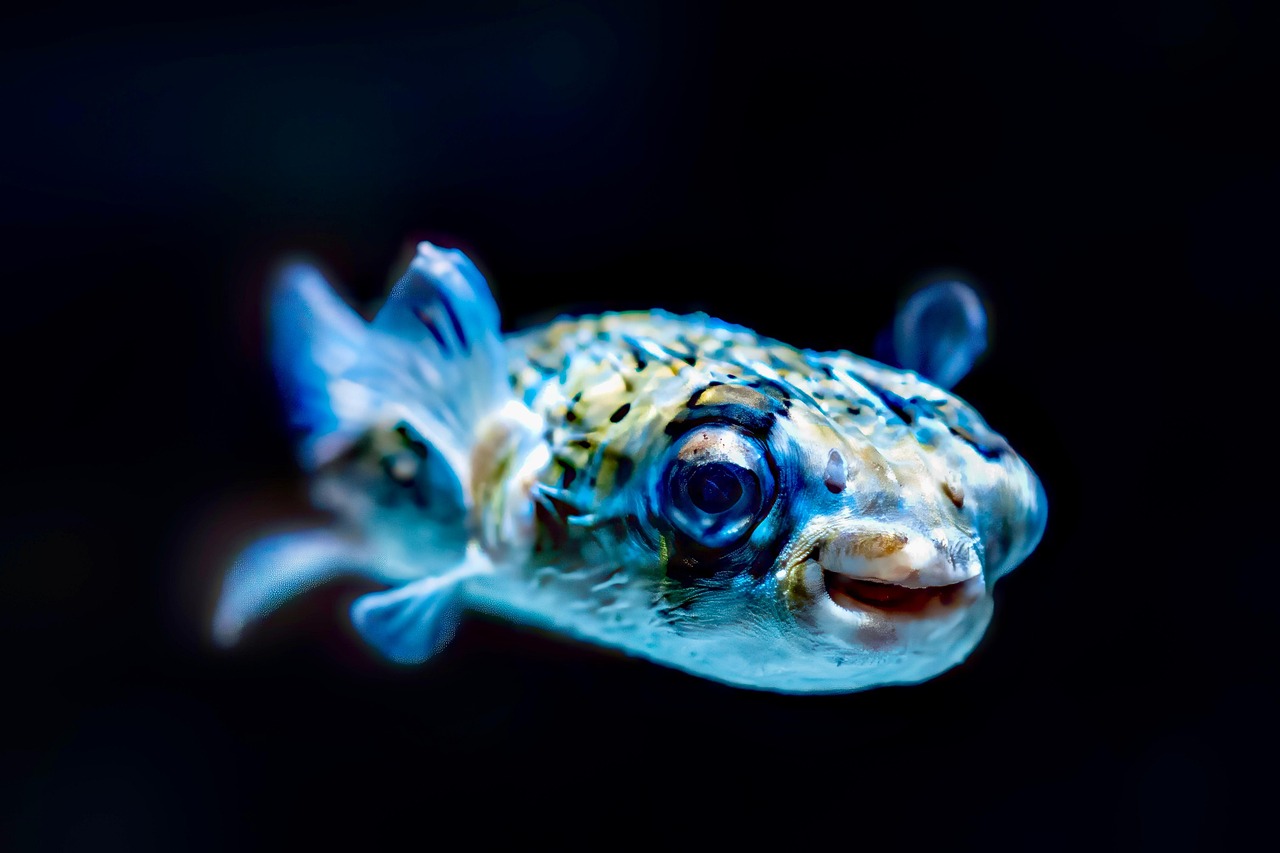
Among the vast family of New World cichlids, the keyhole cichlid (Cleithracara maronii) stands out for its remarkably gentle disposition. Unlike many of its more boisterous relatives, this peaceful South American species thrives in community tanks without causing havoc. If you have been searching for a reliable keyhole cichlid care guide suited to Singapore’s conditions, Gensou Aquascaping is here to help. With over 20 years of experience at our 5 Everton Park shop, we have introduced many hobbyists to this underrated gem of the cichlid world. This guide sits inside our broader Tropical Fish Species Master Index reference.
This guide walks you through everything from species origins and tank setup to feeding, breeding and choosing compatible tank mates, all with Singapore-specific tips for success.
Table of Contents
- Species Overview and Origin
- Tank Setup and Water Parameters
- Feeding and Diet
- Behaviour and Temperament
- Compatible Tank Mates
- Breeding Keyhole Cichlids
- Frequently Asked Questions
- Conclusion
Species Overview and Origin
The keyhole cichlid is native to the coastal river systems of northern South America, primarily found in the Maroni River basin along the border of French Guiana and Suriname, as well as in parts of the Orinoco River drainage in Venezuela and Trinidad. It inhabits slow-moving, tannin-stained waters with abundant leaf litter, submerged wood and dense vegetation.
The common name comes from the distinctive dark marking on the fish’s flank that roughly resembles a keyhole or comma shape. This marking can vary in intensity depending on the fish’s mood, health and environmental conditions.
Quick Species Profile
| Attribute | Detail |
|---|---|
| Scientific Name | Cleithracara maronii |
| Common Names | Keyhole cichlid |
| Family | Cichlidae |
| Origin | South America (French Guiana, Suriname, Venezuela, Trinidad) |
| Adult Size | 10–12 cm (4–5 inches) |
| Lifespan | 8–10 years |
| Temperament | Peaceful to mildly territorial |
| Care Level | Beginner |
Keyhole cichlids have an understated beauty. Their base colour ranges from creamy yellow to light brown, with the intensity shifting depending on mood and surroundings. Males and females are difficult to distinguish outside of breeding season, though mature males may develop slightly longer fin extensions.
Tank Setup and Water Parameters
Keyhole cichlids are relatively small and undemanding, making them an excellent choice for hobbyists with moderate-sized tanks. A pair can be comfortably housed in a 120-litre (30-gallon) aquarium, while a community tank should be 200 litres (55 gallons) or larger to provide adequate space for all inhabitants.
Water Parameters for Singapore
One advantage for Singapore hobbyists is that keyhole cichlids prefer soft, slightly acidic water—conditions that align well with PUB tap water before any mineral supplementation.
| Parameter | Ideal Range | Singapore Tap Water |
|---|---|---|
| Temperature | 24–28 °C | 26–30 °C (generally suitable) |
| pH | 5.5–7.5 | 7.0–8.0 (may benefit from lowering slightly) |
| General Hardness (GH) | 2–10 dGH | 2–5 dGH (ideal match) |
| Carbonate Hardness (KH) | 1–6 dKH | 1–4 dKH (well suited) |
| Ammonia / Nitrite | 0 ppm | 0 ppm (with dechlorinator) |
| Nitrate | <20 ppm | Varies |
Singapore’s naturally soft PUB water is an excellent starting point for keyhole cichlids. Adding Indian almond leaves, driftwood or peat to the filter can further lower pH and introduce beneficial tannins that mimic their natural blackwater habitat. Always dechlorinate tap water before use.
Substrate and Decor
Recreate their natural habitat with a fine sand substrate topped with dried leaf litter (Indian almond or ketapang leaves work beautifully and are readily available in Singapore). Add plenty of driftwood, caves and dense plantings to provide hiding spots and visual barriers.
Keyhole cichlids are plant-friendly and will not uproot or damage vegetation. This makes them ideal for planted tanks. Excellent plant choices include:
- Cryptocoryne species (especially C. wendtii and C. undulata)
- Anubias attached to driftwood
- Java fern and Java moss
- Echinodorus (Amazon sword) species
- Floating plants such as Salvinia or Amazon frogbit to diffuse lighting
Filtration and Lighting
Keyhole cichlids prefer gentle water flow, so avoid overly powerful filtration that creates strong currents. A canister filter with a spray bar or a sponge filter works well. Subdued lighting complements their natural preference for shaded environments and encourages bolder behaviour. Floating plants are an easy way to reduce light intensity.
Weekly water changes of 20–25% are sufficient to maintain water quality. Keyhole cichlids are sensitive to poor water conditions, so consistent maintenance is important.
Feeding and Diet
Keyhole cichlids are omnivores that accept a wide range of foods. In the wild, they feed on small invertebrates, crustaceans, insect larvae and organic detritus found among leaf litter.
Recommended Diet
- Staple food: High-quality cichlid pellets or community flakes (sinking varieties preferred)
- Protein: Frozen or live bloodworms, brine shrimp, daphnia and tubifex
- Vegetable matter: Blanched spinach, spirulina flakes or algae wafers
- Treats: Black mosquito larvae (live or frozen), a favourite among local hobbyists
Keyhole cichlids can be shy feeders, especially when first introduced to a new tank. Offer food in small portions two to three times daily, ensuring it sinks to their preferred feeding zone in the lower half of the water column. Over time, they will gain confidence and may even learn to feed from the surface.
Behaviour and Temperament
The keyhole cichlid’s claim to fame is its peaceful nature. This is one of the most docile cichlid species available, making it a rare find for hobbyists who want cichlid intelligence and personality without the aggression.
Key Behavioural Traits
- Shy and retiring: Especially when first introduced, keyhole cichlids spend much of their time hiding among plants and driftwood
- Colour changing: Their body colour and markings shift with mood—stressed or frightened fish may pale dramatically, while content fish display richer hues
- Peaceful: They rarely bother tank mates, even during breeding
- Substrate foraging: They gently sift through sand and leaf litter for food particles
- Pair bonding: Mated pairs develop a close bond and are rarely far from each other
It is important to provide a calm environment for keyhole cichlids. Boisterous or aggressive tank mates will stress them, causing them to hide constantly, lose colour and refuse food. A well-planted tank with subdued lighting and peaceful companions will bring out their best behaviour.
Compatible Tank Mates
Given their peaceful temperament, keyhole cichlids do best with similarly gentle species. Avoid anything aggressive, overly boisterous or large enough to bully them.
Good Tank Mates
- Cardinal and rummy-nose tetras
- Harlequin rasboras (Trigonostigma heteromorpha)
- Corydoras catfish
- Otocinclus catfish
- Bristlenose pleco
- Pearl gourami (Trichopodus leeri)
- Kuhli loach (Pangio kuhlii)
- Dwarf pencilfish (Nannostomus spp.)
- Apistogramma species
Tank Mates to Avoid
- Aggressive cichlids (convicts, Jack Dempseys, firemouths)
- Large, boisterous barbs (tiger barbs in particular)
- Fast, competitive feeders that may outcompete the shy keyhole
- Predatory fish large enough to view them as food
A beautifully planted community tank with a pair of keyhole cichlids, a school of cardinal tetras and a group of corydoras catfish is one of our favourite setups to recommend to hobbyists in Singapore. It is low-aggression, visually stunning and well suited to the local water conditions.
Breeding Keyhole Cichlids
Keyhole cichlids are substrate spawners that form monogamous pairs. While not as prolific as convict cichlids, they can be bred successfully in home aquariums with a little patience.
Conditioning and Spawning
Condition a bonded pair with frequent live or frozen foods for two to three weeks. Slightly lower the pH (to around 6.0–6.5) and perform a large water change with slightly cooler water to simulate rainy season conditions.
The female deposits 100–300 eggs on a flat surface such as a smooth rock, driftwood or even a broad leaf. Both parents guard and fan the eggs to ensure adequate water circulation and prevent fungal growth.
Fry Development
| Stage | Timeline | Notes |
|---|---|---|
| Egg laying | Day 0 | 100–300 eggs on a flat surface |
| Hatching | Day 3–5 | Wrigglers remain near the spawning site |
| Free-swimming | Day 7–10 | Fry begin exploring near parents |
| Independent feeding | Day 8–12 | Accept baby brine shrimp and micro worms |
Keyhole cichlid parents are gentle guardians. They herd their fry but are far less aggressive towards tank mates compared to other cichlid species. In a community tank, some fry may be lost to predation, so move the fry to a separate rearing tank if you wish to maximise survival. Feed fry with newly hatched baby brine shrimp (BBS) several times daily for optimal growth.
Frequently Asked Questions
Why is my keyhole cichlid always hiding?
Keyhole cichlids are naturally shy, especially when newly introduced or stressed. Ensure the tank has plenty of hiding spots (driftwood, caves, dense plants), subdued lighting and calm tank mates. Over time—often two to four weeks—most keyholes gain confidence and spend more time in the open. Keeping them in pairs also helps reduce anxiety.
Can keyhole cichlids live with shrimp?
Adult Amano shrimp may coexist with keyhole cichlids due to their larger size and the cichlid’s gentle nature. However, smaller cherry shrimp and any shrimplets are likely to be eaten. If you want to keep a thriving shrimp colony, it is best to house them separately.
Are keyhole cichlids suitable for planted tanks?
Keyhole cichlids are one of the best cichlid species for planted tanks. They do not dig aggressively or uproot plants, and they appreciate the cover that dense vegetation provides. They are an excellent choice for aquascaped setups.
Do keyhole cichlids need soft water in Singapore?
Singapore’s PUB tap water is naturally soft (2–5 dGH), which is actually ideal for keyhole cichlids. Unlike many Central American cichlids that prefer harder water, keyholes thrive in soft, slightly acidic conditions. Adding driftwood and Indian almond leaves can further enhance the water chemistry to match their natural habitat.
Related Reading
- Blue Acara Cichlid Care Guide: The Overlooked Gem
- Acei Cichlid Care Guide: The Peaceful Mbuna Exception
- Auratus Cichlid Care Guide: Beautiful and Brutally Aggressive
- Blood Parrot Cichlid Care Guide: The Controversial Hybrid
- Cobalt Blue Zebra Cichlid Care Guide: Brilliant Mbuna Blue
Discover the Charm of Keyhole Cichlids
The keyhole cichlid is proof that you do not need an aggressive, tank-dominating fish to enjoy the intelligence and personality that cichlids are famous for. With their peaceful nature, plant-friendly behaviour and compatibility with Singapore’s soft water, keyholes are an outstanding choice for community tanks and planted setups alike.
At Gensou Aquascaping, we have spent over 20 years helping Singapore hobbyists find the perfect fish for their tanks. Visit us at 5 Everton Park or get in touch online for personalised advice.
- Reach out to our team for stocking and compatibility advice
- Browse our shop for fish, plants and aquascaping supplies
- Explore our custom aquarium services for a bespoke planted cichlid tank



