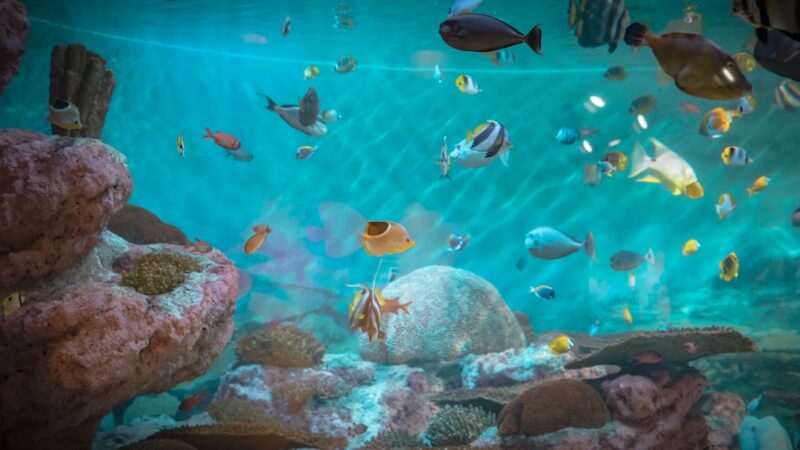
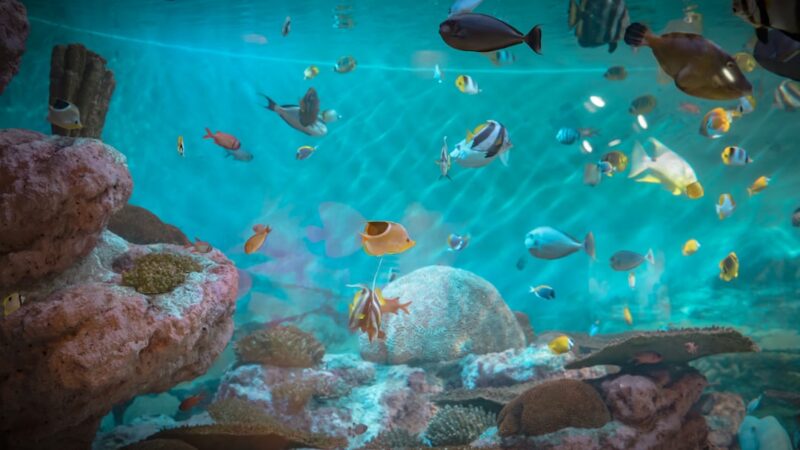
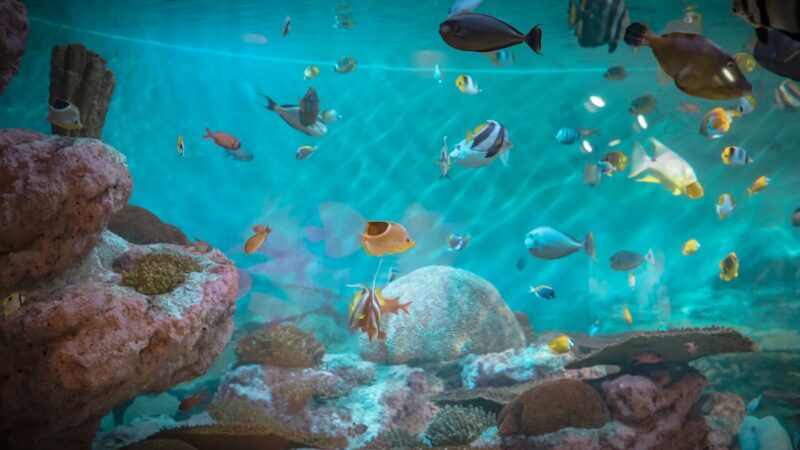
Aquarium and Mental Health: The Science Behind the Calm
Table of Contents
- Introduction
- The Science Behind Aquarium-Induced Calm
- Aquariums and Stress Reduction
- Benefits for Anxiety and Depression
- Cognitive and Focus Benefits
- Aquariums in Therapeutic Settings
- Mental Health in Singapore: Why This Matters
- Setting Up an Aquarium for Wellbeing
- Mindful Fishkeeping as a Practice
- Common Mistakes That Undermine the Benefits
- Frequently Asked Questions
- Conclusion
Introduction
The aquarium mental health benefits are not merely anecdotal — they are supported by a growing body of scientific research. Most people intuitively understand that watching fish is relaxing, but few realise just how measurable and significant the psychological effects actually are. From reducing cortisol levels to easing symptoms of anxiety and depression, aquariums offer a form of passive therapy that is accessible, affordable and remarkably effective.
In Singapore’s fast-paced, high-pressure environment, mental health has become a pressing concern. Long working hours, academic stress and the demands of urban living take a toll. At Gensou Aquascaping, located at 5 Everton Park, we have witnessed firsthand how an aquarium can transform not just a room but the mental state of the people who live with it. This article explores the science, the practical applications and how you can harness these benefits in your own home.
The Science Behind Aquarium-Induced Calm
The Biophilia Hypothesis
Biologist Edward O. Wilson proposed that humans have an innate tendency to seek connections with nature — a concept he called biophilia. Aquariums tap directly into this instinct. The presence of water, living organisms and natural light patterns activates neurological responses associated with safety, comfort and relaxation. In an urban setting like Singapore, where green space is limited, an aquarium serves as a concentrated dose of nature within your home.
Physiological Responses
Studies have documented clear physiological changes in people who watch aquariums:
- Reduced heart rate: Research published in the journal Environment & Behavior found that participants experienced significant reductions in heart rate after watching a well-stocked aquarium for as little as five minutes.
- Lower blood pressure: A study at the National Marine Aquarium in Plymouth showed that blood pressure dropped measurably in visitors observing tanks, with greater reductions as more fish were added to the display.
- Decreased cortisol: Cortisol, the body’s primary stress hormone, has been shown to decrease in the presence of aquariums, particularly in high-stress environments like dental waiting rooms and hospital wards.
- Improved mood: Self-reported mood scores consistently improve after aquarium viewing, with reductions in tension, anger and fatigue.
Why Water Specifically?
Marine biologist Wallace J. Nichols, in his book Blue Mind, argues that proximity to water triggers a mildly meditative state characterised by calm, peacefulness and a sense of general wellbeing. This “blue mind” effect is distinct from the “green mind” associated with forests and parks. Aquariums bring this water-based calm into indoor environments where actual bodies of water are inaccessible.
Aquariums and Stress Reduction
Workplace Stress
For the many Singaporeans who work from home — a trend that has accelerated since 2020 — a desk-side nano aquarium can serve as a micro-break tool. Rather than scrolling through social media during a work pause, spending two to three minutes watching fish provides genuine neurological rest. The visual complexity of an aquarium engages the brain’s default mode network, the same system activated during daydreaming and creative thinking, without the cognitive fatigue caused by screen-based content.
Domestic Stress
Families living in close quarters — common in Singapore’s HDB environment — can benefit from a shared aquarium as a neutral point of calm. It provides something peaceful to focus on during moments of tension and can serve as a shared family interest that fosters positive interaction.
Comparison with Other Stress Interventions
| Intervention | Effectiveness for Stress | Effort Required | Cost (Monthly) | Passive Benefit? |
|---|---|---|---|---|
| Aquarium keeping | Moderate to High | Low (after setup) | $15–$40 | Yes |
| Meditation apps | Moderate to High | Moderate (active practice) | $10–$20 | No |
| Indoor plants | Low to Moderate | Low | $10–$30 | Yes |
| Exercise | High | High (active effort) | $50–$150 | No |
| Therapy / counselling | High | Moderate (appointments) | $200–$600 | No |
The unique advantage of an aquarium is that it works passively. You do not need to actively engage with it to receive the benefits — simply being in the same room as a well-maintained tank creates a calmer environment.
Benefits for Anxiety and Depression
Anxiety
For people who experience chronic anxiety, the predictable, rhythmic movement of fish can be grounding. Unlike the chaotic stimuli of television or social media, an aquarium presents a low-intensity, non-threatening visual experience. The absence of sudden noises or flashing lights makes it particularly suitable for those with sensory sensitivities or generalised anxiety disorder.
Therapists have reported that having an aquarium in a consulting room helps anxious clients settle more quickly at the start of sessions. The tank provides a non-threatening focal point — something to look at during difficult conversations.
Depression
Depression often involves a loss of interest, motivation and connection. Fishkeeping addresses these symptoms in subtle but meaningful ways:
- Responsibility: Caring for living creatures provides a reason to get up and follow a routine, even on difficult days.
- Achievement: Watching plants grow, fish thrive and the tank mature over weeks and months offers a sense of progress and accomplishment.
- Connection to life: The aquarium is a living ecosystem. For someone feeling disconnected, observing the interplay of fish, plants and microorganisms can foster a renewed sense of engagement with the world.
- Aesthetic pleasure: A beautiful aquarium stimulates the brain’s reward pathways, providing small but consistent doses of positive feeling.
Important Caveat
An aquarium is a complementary wellness tool, not a replacement for professional mental health treatment. If you or someone you know is struggling with serious anxiety or depression, please seek help from a qualified mental health professional. In Singapore, the Institute of Mental Health (IMH) helpline is available at 6389 2222.
Cognitive and Focus Benefits
Attention Restoration
Environmental psychologists Rachel and Stephen Kaplan developed Attention Restoration Theory (ART), which holds that natural environments restore the brain’s capacity for directed attention after mental fatigue. Aquariums, as contained natural environments, provide this restorative effect within indoor spaces. After a demanding cognitive task, even a few minutes of aquarium gazing can refresh focus and concentration.
Benefits for Children and Students
In Singapore’s education-intensive environment, aquariums in study rooms or classrooms can help students recover from mental fatigue between study sessions. Some international schools have introduced classroom aquariums for this reason, reporting improved student attention and reduced behavioural disruptions.
Elderly Cognitive Support
For seniors experiencing early cognitive decline, the visual stimulation of an aquarium helps maintain engagement and alertness. Observing fish behaviour, noticing changes in the tank and recalling feeding routines all exercise cognitive functions in a low-pressure way.
Aquariums in Therapeutic Settings
Aquariums are increasingly found in healthcare and therapeutic environments worldwide, and Singapore is no exception.
| Setting | Documented Benefit | Key Research |
|---|---|---|
| Dental clinics | Reduced patient anxiety before procedures | Katcher et al. (1984), University of Pennsylvania |
| Hospital waiting rooms | Lower perceived wait times, reduced stress | Barker et al. (2003), Purdue University |
| Aged care facilities | Improved nutrition intake, reduced agitation | Edwards & Beck (2002), Purdue University |
| Therapy and counselling rooms | Faster client relaxation, easier rapport building | Practitioner reports (various) |
| Children’s wards | Reduced crying and distress in young patients | Multiple paediatric studies |
| Corporate offices | Improved employee mood and productivity | Workplace wellness research (various) |
At Gensou, we have installed and maintained aquariums for several clinics, offices and wellness spaces in Singapore. The feedback from staff and visitors consistently confirms the calming effect these tanks provide.
Mental Health in Singapore: Why This Matters
Singapore faces significant mental health challenges. According to the Singapore Mental Health Study (SMHS) conducted by IMH, approximately one in seven Singaporeans experiences a mental health condition in their lifetime. Workplace stress, academic pressure and social isolation — particularly among the elderly — are key contributors.
The government has invested in initiatives like the National Mental Health Blueprint, and there is growing public awareness about wellbeing. Within this context, aquariums represent a practical, non-stigmatised tool for improving daily mental health. Nobody needs to explain why they have a fish tank in their home — it is simply décor. Yet the benefits run much deeper.
Climate Considerations
Singapore’s year-round tropical climate means aquarium keeping is straightforward — no need for expensive heating systems. The hobby is accessible across all income levels, from a simple betta tank costing under $100 to elaborate planted aquariums. This low barrier to entry makes it a practical wellness option for the broad population.
Setting Up an Aquarium for Wellbeing
If your primary goal is mental health benefit rather than competitive aquascaping, your setup priorities shift slightly.
Choose Calming Fish
Slow-moving, graceful fish are more relaxing to watch than hyperactive species. Consider:
- Bettas: Flowing fins and deliberate movements
- Pearl Gouramis: Gentle, elegant and peaceful
- Cardinal Tetras: Beautiful schooling behaviour, mesmerising in groups
- Kuhli Loaches: Unusual, slow-moving bottom dwellers
- Amano Shrimp: Methodical foragers, fascinating to observe closely
Prioritise Planting
Planted tanks are more calming than bare or artificial setups. The green tones of live plants are associated with relaxation and restoration. Dense plantings with gentle water movement create a particularly soothing visual experience.
Optimise Lighting
Harsh, cool-white lighting can feel clinical. For a wellbeing-focused tank, choose LED lights with a warm to neutral colour temperature (6,500K) and dimming capability. Sunset simulation features that gradually dim the lights in the evening create a naturally calming transition.
Minimise Noise
A noisy filter or air pump undermines the calming effect. Invest in a quiet canister or hang-on-back filter. If you use an air pump, choose one with vibration-dampening feet. The only sound should be a gentle, barely perceptible water flow.
Mindful Fishkeeping as a Practice
Beyond passive observation, the act of maintaining an aquarium can itself become a mindfulness practice.
Feeding as Meditation
Rather than rushing through feeding, take a moment to sit, watch the fish approach and observe how they eat. Notice their colours, their interactions, their individual behaviours. This two-minute exercise in focused attention mirrors formal mindfulness practice.
Water Changes as Flow State
The repetitive, hands-on nature of water changes — siphoning, refilling, wiping glass — can induce a flow state similar to that experienced during gardening or cooking. These routine tasks engage the body and quiet the mind.
Aquascaping as Creative Expression
Designing and arranging an aquascape is a creative activity that requires patience, spatial thinking and an eye for aesthetics. For people whose daily work is analytical or screen-based, this tactile, artistic outlet provides valuable cognitive balance.
Common Mistakes That Undermine the Benefits
1. Neglecting Maintenance
A dirty, algae-covered tank with murky water does not inspire calm — it causes guilt and frustration. If you cannot commit to regular maintenance, hire a professional service. The mental health benefits depend on the tank looking healthy and attractive.
2. Overstocking the Tank
A chaotic, overcrowded tank is visually stressful rather than calming. Fewer fish in a spacious, well-scaped environment are far more relaxing to watch than a crowded, disorganised tank.
3. Choosing Aggressive or Hyperactive Species
Fish that constantly chase each other or dart around erratically create tension rather than calm. Avoid aggressive cichlids, overly active danios or territorial species in a wellness-focused setup.
4. Placing the Tank Where You Never Sit
An aquarium in a hallway or spare room that you rarely use provides minimal benefit. Place it where you spend the most time — beside your sofa, near your work desk or in the bedroom. The proximity matters.
Frequently Asked Questions
How long do I need to watch an aquarium to feel calmer?
Research suggests that measurable reductions in heart rate and blood pressure occur within five to ten minutes of sustained aquarium viewing. However, even brief glances throughout the day contribute to a cumulative calming effect. Having a tank in your peripheral vision while you work or relax provides a subtle, ongoing benefit.
Is a real aquarium better than a virtual one or a screensaver?
Yes. Studies comparing real aquariums with video representations found that real tanks produced significantly greater reductions in heart rate and anxiety. The three-dimensional depth, natural light interaction and unpredictability of live fish engage the brain differently from two-dimensional video. That said, aquarium videos are better than no nature exposure at all.
Can an aquarium help with insomnia?
Many fishkeepers report that watching their tank before bed helps them unwind and fall asleep more easily. A dimly lit aquarium in the bedroom — particularly one with a moonlight LED mode — creates a soothing environment that supports healthy sleep onset. Avoid bright tank lighting in the hour before bed, as blue-spectrum light can interfere with melatonin production.
Are there mental health benefits for children who keep fish?
Yes. For children, caring for fish teaches responsibility, empathy and patience. Observing aquatic life can also spark curiosity about biology and ecology. In high-pressure academic environments like Singapore’s, an aquarium in the child’s study area provides a healthy, screen-free distraction during breaks.
Related Reading
- Aquarium as Home Décor: Placement, Styles and Design Tips
- Aquarium Background Ideas: Paint, Film, 3D and Natural
- 10 Beginner Aquarium Mistakes and How to Avoid Them
- Top Aquarium Mistakes in the First Month and How to Avoid Them
- Monthly Aquarium Cleaning Schedule: What to Do and When
Conclusion
The mental health benefits of aquariums are real, measurable and accessible to anyone. Whether you are managing workplace stress, supporting a family member with anxiety, creating a calming space for an elderly parent or simply seeking more peace in your daily life, an aquarium offers a proven, enjoyable solution.
At Gensou Aquascaping, we believe that a well-designed aquarium is not a luxury — it is an investment in wellbeing. With over 20 years of experience serving Singapore, we can help you create a setup that looks beautiful and genuinely improves how you feel.
Ready to bring calm into your home? Reach out for a consultation, explore our range of tanks and supplies, or discover our custom aquarium design services tailored to your space and needs.