
Mudskipper Care Guide: The Fish That Walks on Land
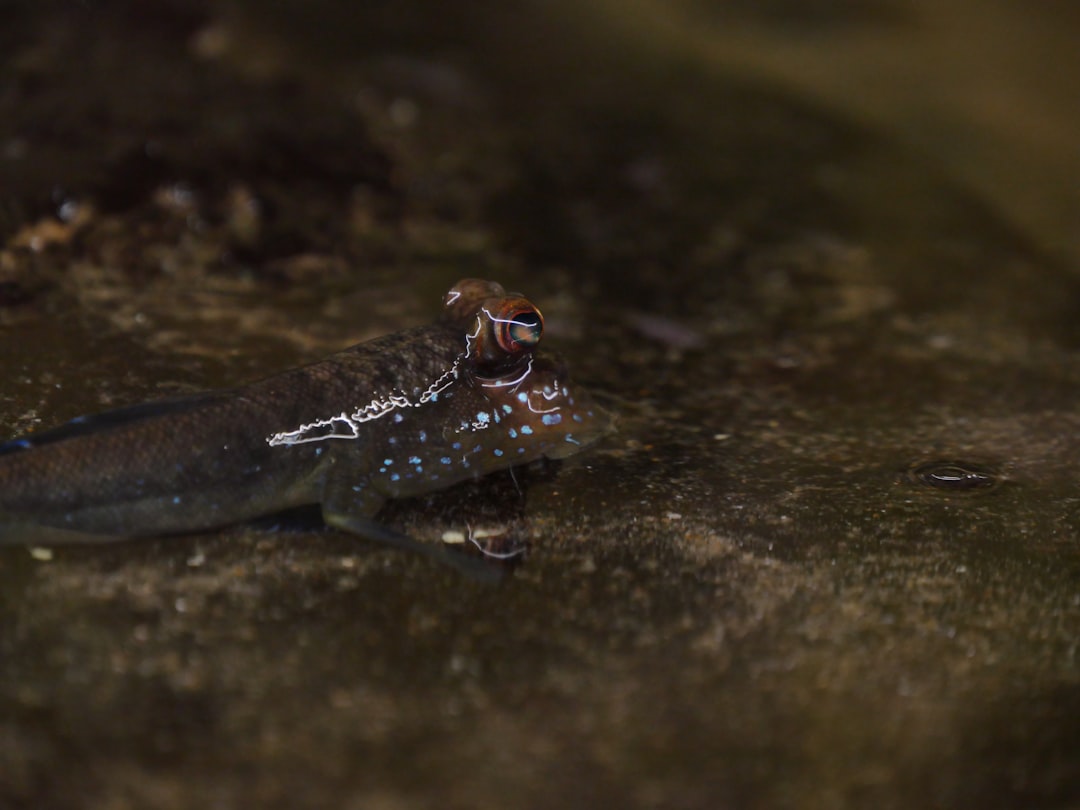
Mudskippers are among the most extraordinary fish on Earth — amphibious gobies that spend much of their time out of water, climbing mangrove roots, defending mudflat territories and hunting insects on land. For Singaporeans, they are also a familiar sight at places like Sungei Buloh and Pasir Ris mangroves. This mudskipper care guide from Gensou Aquascaping at 5 Everton Park shows you how to bring this local marvel into your home.
Species Overview
The most commonly kept species are the Indian mudskipper (Periophthalmus novemradiatus) at 5–7 cm and the Atlantic mudskipper (Periophthalmus barbarus) reaching 15–25 cm. Singapore’s own mangroves host the giant mudskipper (Periophthalmodon schlosseri) and the gold-spotted mudskipper (Periophthalmus chrysospilos). They breathe through their skin and gill chambers when on land and use their pectoral fins as limbs. Lifespan is typically five to seven years.
Tank Setup: The Paludarium
Mudskippers require a paludarium — part water, part land. A 120-litre tank works for a pair of small species. The water section should be shallow (5–15 cm deep) with a gentle slope leading to a land area covering at least 50 % of the tank footprint. Use mangrove-style driftwood, rocks and sand banks to create haul-out areas. The land section can be made from sloped sand, cork bark or aquarium-safe foam covered with mud or coconut fibre.
Water and Environment
Most mudskippers are brackish water fish. Use marine salt to achieve a specific gravity of 1.005–1.015 and maintain temperature at 24–30 °C — perfect for Singapore. High humidity (80–100 %) above the water is critical; a tight-fitting glass lid retains moisture while allowing access for feeding. Install a small submersible heater in the water if needed and provide low-level lighting on a 12-hour cycle.
Diet and Feeding
Mudskippers are carnivorous, eating insects, small crabs and worms in the wild. In captivity, offer small crickets, fruit flies, bloodworms, brine shrimp and chopped earthworms. They hunt by sight and prefer moving prey — live food elicits the most natural hunting behaviour. Feed daily, placing food on the land area as well as in the water. Some individuals learn to accept frozen foods from tweezers.
Behaviour
Mudskippers are territorial and highly entertaining. Males perform push-up displays to establish dominance and attract females. They dig burrows in the substrate, maintain territories and engage in jaw-locking contests with rivals. Watching a mudskipper climb driftwood, leap between rocks and hunt crickets on its land platform is endlessly fascinating. Keep multiple individuals only in large setups with distinct territories.
Tank Mates
A species-only setup is strongly recommended. Mudskippers are aggressive towards other fish and will fight with conspecifics if space is insufficient. In a very large paludarium, fiddler crabs can sometimes coexist, as they occupy similar brackish habitats. Avoid combining different mudskipper species unless the tank is exceptionally spacious.
Health Considerations
Skin infections caused by poor water quality or insufficient humidity are the main health concern. Ensure the air above the tank remains humid — if their skin dries out, they cannot breathe efficiently. Bacterial infections appear as reddening or ulcers on the skin. Maintain excellent water quality and adequate land-to-water ratio to prevent issues.
Singapore-Specific Tips
Singapore is uniquely positioned for mudskipper keeping — they are literally native to our coastline. The warm, humid climate naturally provides ideal ambient conditions. However, it is illegal to collect wildlife from Singapore’s nature reserves. Source your mudskippers from licensed aquarium shops. Visit Sungei Buloh Wetland Reserve for inspiration on habitat design — studying wild mudskippers informs better captive setups.
Conclusion
Mudskippers blur the line between fishkeeping and terrarium keeping, offering a uniquely interactive and educational experience. For Singaporeans, they represent a chance to keep a piece of local mangrove ecosystem at home. Visit Gensou Aquascaping at 5 Everton Park for expert advice on designing a mudskipper paludarium.



