
Hydrocotyle Verticillata Care Guide: Penny-Shaped Charm
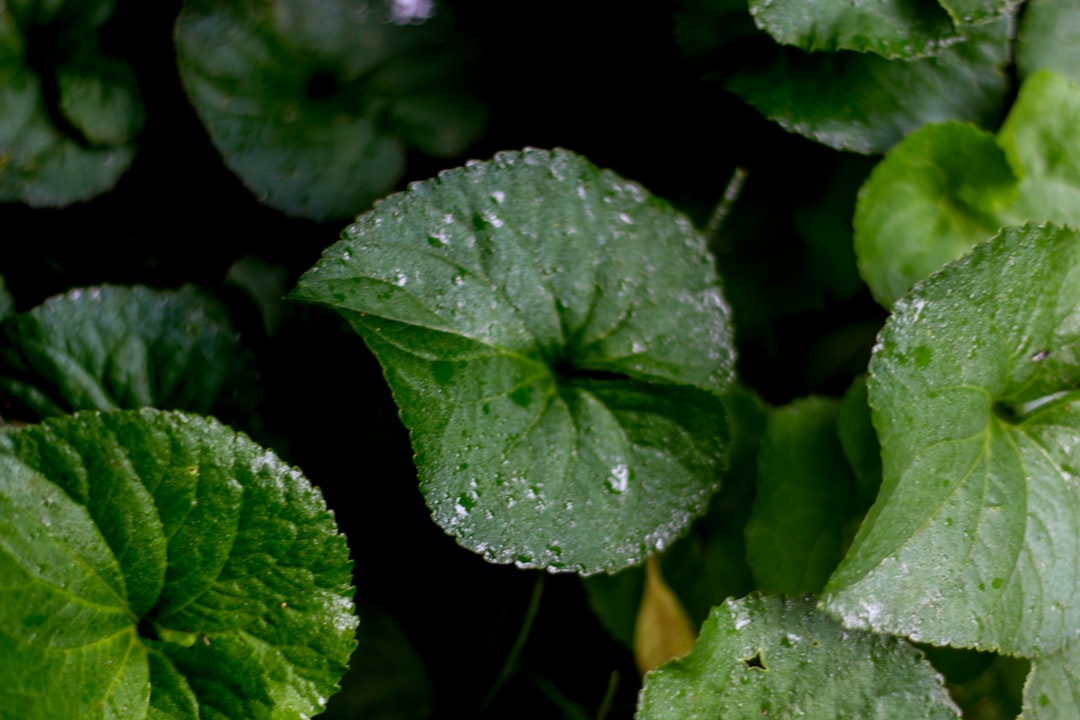
Hydrocotyle verticillata, commonly known as whorled pennywort, produces charming round, lily-pad-like leaves on thin vertical stalks that create a unique mushroom-like appearance in the aquarium. It is often confused with its cousin Hydrocotyle tripartita, but verticillata has perfectly round, flat leaves rather than tripartita’s clover-shaped foliage. This Hydrocotyle verticillata care guide from Gensou Aquascaping at 5 Everton Park covers this distinctive little plant.
Plant Overview
Hydrocotyle verticillata is native to the Americas, growing in marshy areas and along waterways. In the aquarium, it spreads via creeping runners that send up individual leaf stalks 3–10 cm tall, each topped with a single round leaf approximately 2–3 cm in diameter. The effect is like a miniature forest of tiny umbrellas. It grows as both a submersed aquatic plant and an emersed marsh plant.
Light and CO2 Requirements
Moderate to high lighting produces the most compact, attractive growth. Under low light, the stalks elongate dramatically as the plant reaches for the surface, creating a leggy, sparse appearance. CO2 injection is not essential but accelerates growth and produces denser, more compact stands. Without CO2, growth is slower but still steady. This plant is suitable for both low-tech and high-tech setups with appropriate expectations.
Substrate and Nutrients
The creeping runners root lightly in any substrate. Nutrient-rich aqua soil promotes faster spreading, but the plant also grows acceptably in inert sand or gravel with liquid fertiliser dosing. It feeds primarily through the water column via its leaves and roots. Regular dosing of a comprehensive liquid fertiliser keeps the leaves bright green and healthy. It is not a heavy feeder compared to fast-growing stem plants.
Aquascaping Uses
Hydrocotyle verticillata works as a foreground to midground plant depending on light levels. Under strong light, it stays short (3–5 cm) and forms a dense carpet of penny-shaped leaves — a unique alternative to traditional carpet plants. Under moderate light, the taller stalks (8–10 cm) create an interesting midground feature. It is especially effective growing over and around hardscape, softening the edges of rocks and driftwood with its round leaves.
Propagation
The plant spreads naturally via runners that creep along the substrate surface. Each runner node produces a new leaf stalk and roots. To propagate, simply cut a section of runner with two to three leaf nodes and replant it in the desired location. In good conditions, a small starting portion fills a foreground area within four to six weeks. Control spreading by trimming runners that extend beyond the intended area.
Emersed and Paludarium Use
Hydrocotyle verticillata is excellent for paludariums and ripariums. The emersed form is more robust, with thicker leaves and shorter stalks. It grows prolifically in humid environments with its roots in wet soil or shallow water and its leaves in the air. In Singapore’s humid climate, it even grows well in outdoor container gardens and pond margins.
Common Issues
Leggy, stretched growth is the most common complaint — increase light intensity to correct it. Yellowing leaves indicate nutrient deficiency, usually nitrogen or iron. The plant may melt briefly when transitioning between emersed and submersed growth. Snails love the tender leaves — pest snails can damage a stand if populations are not controlled. Overall, this is an easy, forgiving plant that adds unique visual interest to any layout.
Related Reading



