How to Reduce Aquarium Evaporation in Singapore’s Heat
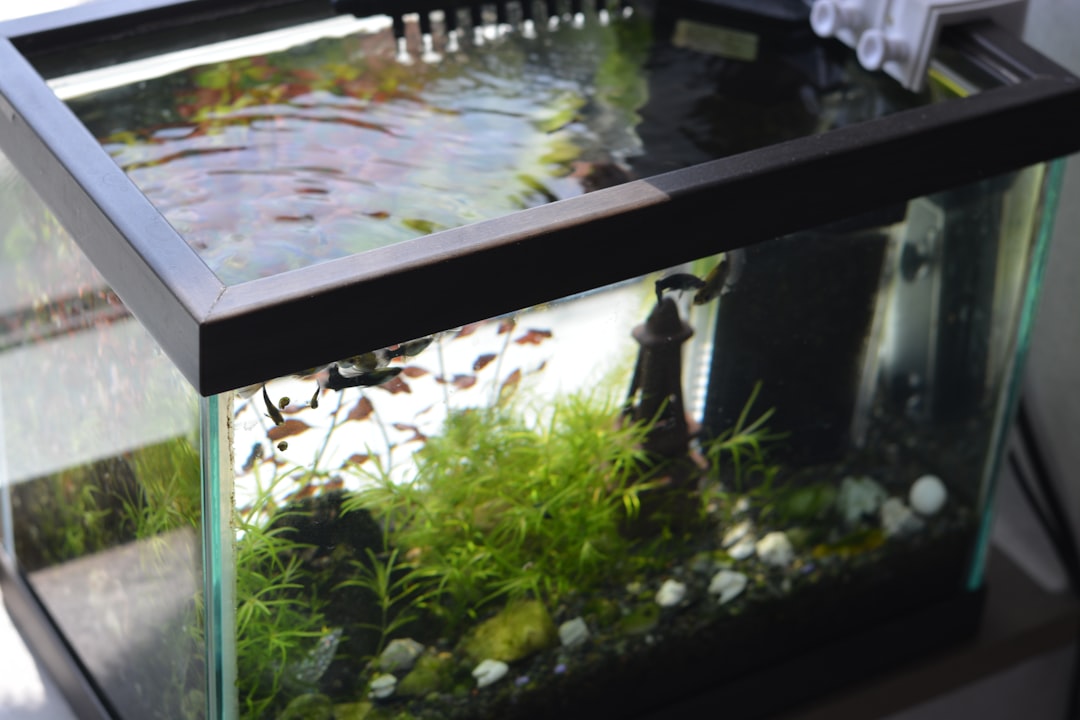
In Singapore’s hot, humid climate, aquarium water evaporates faster than many new hobbyists expect. A rimless 60 cm tank can lose 2–5 litres per week to evaporation, dropping the water level noticeably and concentrating dissolved minerals. This reduce aquarium evaporation Singapore guide from Gensou Aquascaping at 5 Everton Park offers practical solutions.
Why Evaporation Matters
When water evaporates, only pure H₂O leaves — minerals, salts and dissolved substances stay behind. This means evaporation gradually increases TDS, GH and the concentration of everything in your water. For sensitive species like Caridina shrimp, this mineral creep can cause moulting problems and stress. It also affects water level, potentially exposing heaters and filter intakes, and changes the aesthetic of rimless tanks with visible water lines.
What Increases Evaporation
High temperature: Singapore’s ambient 28–32 °C accelerates evaporation compared to temperate climates. Tanks in direct sunlight or near windows evaporate fastest.
Strong surface agitation: While necessary for gas exchange, excessive splashing dramatically increases evaporation rate. Spray bars and powerful filter outflows above the waterline are the biggest culprits.
Clip-on fans: Aquarium cooling fans work by accelerating evaporation — that is how they reduce temperature. They can double or triple water loss.
Open-top tanks: Rimless tanks without lids lose far more water than covered tanks.
Low ambient humidity: Air-conditioned rooms with low humidity pull moisture from the tank surface faster.
Method 1: Use a Lid or Cover
The most effective solution. A glass or acrylic lid reduces evaporation by 70–90 per cent by trapping humid air above the water surface. It also prevents fish from jumping, reduces noise and keeps debris out. For rimless tanks where a full lid spoils the aesthetic, consider a partial cover or a clear acrylic sheet cut to size with gaps for equipment access. Even a loose-fitting cover makes a significant difference.
Method 2: Lower Surface Agitation
Redirect your filter outflow slightly below the water surface rather than above it. This maintains adequate gas exchange while reducing splashing that drives evaporation. Submerge spray bars just below the waterline. If using a lily pipe, angle it to create a gentle circular flow rather than a strong surface ripple.
Method 3: Floating Plants
A layer of floating plants — Salvinia, Amazon Frogbit or Red Root Floaters — covering 50–70 per cent of the surface acts as a natural evaporation barrier. The plants also absorb nutrients, provide shade and create natural shelter for fish and shrimp. This is an aesthetically pleasing solution that adds to the tank rather than detracting from it.
Method 4: Auto Top-Off (ATO) System
An ATO system automatically replaces evaporated water from a reservoir using a float switch or optical sensor. When the water level drops below the set point, a small pump adds RO or dechlorinated water until the level is restored. ATO systems cost $30–$80 and are especially valuable for shrimp tanks where TDS stability is critical. Always top off with pure water (RO or distilled), not tap water — since only water evaporates, topping off with mineralised water doubles up the mineral content.
Method 5: Strategic Tank Placement
Keep the tank away from direct sunlight, fans and air-conditioning airflow. A tank placed in a shaded, still corner of the room evaporates significantly less than one near a window or under a ceiling fan. In Singapore HDB flats, avoid placing tanks near the west-facing wall where afternoon sun heats the room.
Top-Off Best Practices
Top off with RO, distilled or treated fresh water — never saltwater or mineralised water. Top off daily or every other day in small amounts rather than weekly in one large addition. Sudden large top-offs can change parameters rapidly, stressing fish and shrimp. If using tap water for top-offs, always dechlorinate first. Mark your tank’s ideal water level with a small sticker or mark on the glass for consistent reference.
Related Reading