
Pristella Tetra Care Guide: The X-Ray Fish for Community Tanks
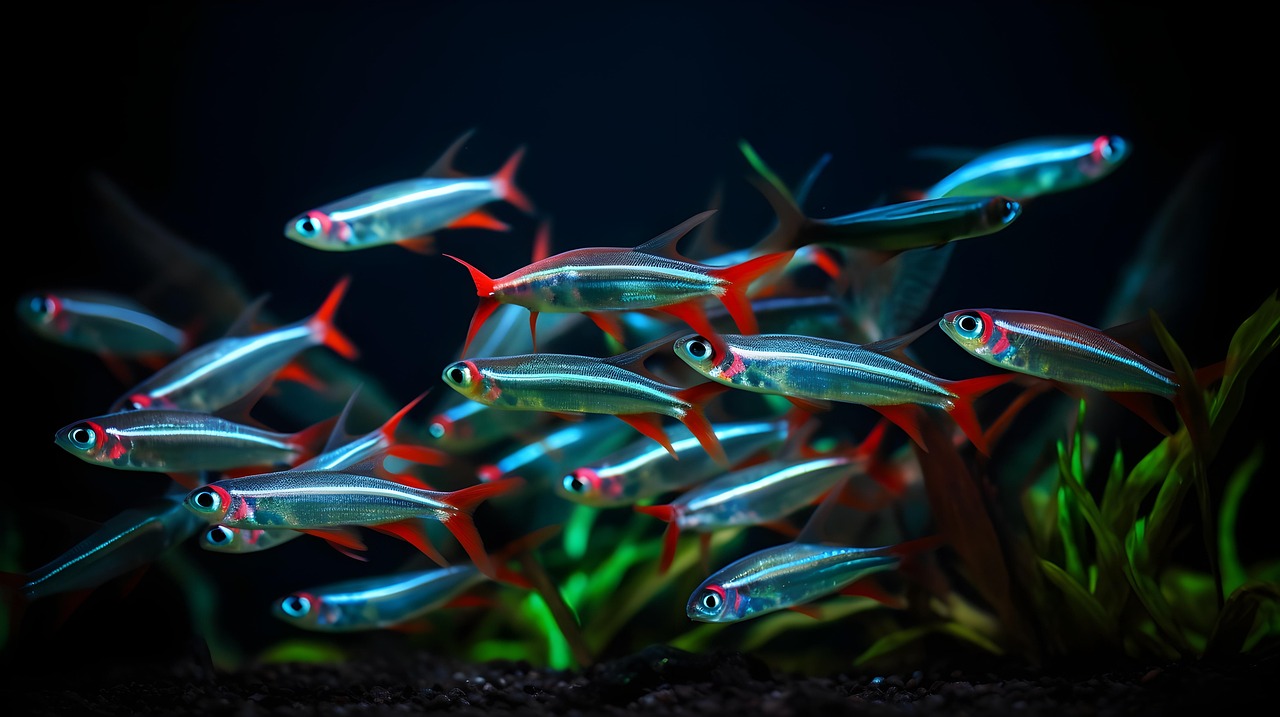
The pristella tetra (Pristella maxillaris), also known as the X-ray tetra or golden pristella, is a hardy, peaceful and subtly beautiful schooling fish. Its translucent body with yellow, black and white-tipped fins creates a delicate shimmer that becomes more impressive as the school grows. This pristella tetra care guide from Gensou Aquascaping at 5 Everton Park covers this excellent community fish. This guide sits inside our broader Tropical Fish Species Master Index reference.
Pristella Tetra Overview
Pristella tetras are found across northern South America — from Venezuela and Guyana to the Amazon basin. They grow to 4–5 cm and live for four to five years. Their body is semi-transparent with a visible backbone (hence “X-ray” tetra), and the dorsal and anal fins feature striking bands of yellow, black and white. A gold morph with warmer yellow tones is also commonly available. They are one of the most adaptable tetras in the hobby, tolerating a wide range of water conditions.
Tank Requirements
A school of eight to ten pristella tetras thrives in a 60-litre tank or larger. They prefer moderately planted tanks with open swimming space. Maintain the temperature between 22 °C and 28 °C, pH 6.0–8.0 and GH 4–20 dGH. This exceptionally wide parameter tolerance makes them one of the few tetras that can even survive in mildly brackish conditions — a testament to their adaptability.
Diet and Feeding
Pristellas eat anything offered. Quality tropical flake, micro pellets, frozen bloodworm, daphnia and brine shrimp all work. They feed enthusiastically at mid-water and the surface. Feed twice daily in small amounts. Their unfussy appetite and active feeding behaviour make them easy to care for and fun to watch during feeding time.
Tank Mates
Pristella tetras are among the most peaceful tetras available — even less nippy than neon tetras. They mix beautifully with other small tetras, rasboras, Corydoras, livebearers, dwarf cichlids, gouramis, otocinclus and shrimp. Their gentle nature makes them suitable for virtually any peaceful community tank. Keep in groups of eight or more for the best schooling display.
Aquascaping
Their translucent bodies look particularly striking against a dark background and dark substrate. Planted tanks with contrasting green plants make the yellow fin markings pop. They occupy the mid-water zone, so pair them with bottom dwellers and surface feeders for a complete community display. Moderate lighting and some shaded areas mimic their natural habitat.
Breeding
Pristella tetras are egg scatterers that breed readily in soft, slightly acidic water. Condition pairs with protein-rich foods, then transfer to a breeding tank with fine-leaved plants or spawning mops. Spawning occurs in the morning, with 200–400 eggs scattered among vegetation. Remove adults after spawning. Eggs hatch in 24–36 hours, and fry eat infusoria followed by baby brine shrimp. They are among the easier tetras to breed deliberately.
Common Health Issues
Pristella tetras are exceptionally hardy — their wide parameter tolerance makes them resistant to environmental stress. Ich is the primary risk after transport or temperature shock. Their robust health, peaceful temperament and attractive appearance make them one of the most underrated tetras in the hobby — they deserve far more attention than they typically receive.
Related Reading



