Cloud Forest Aquascape: Misty Mountains in Miniature
Cloud forests are among the most enchanting ecosystems on Earth, where mist-shrouded peaks are draped in mosses, ferns and epiphytes. Translating this atmosphere into an aquarium creates a breathtaking display that feels alive and mysterious. This cloud forest aquascape guide walks you through the materials, techniques and plant choices needed to build your own misty mountain scene underwater. At Gensou Aquascaping at 5 Everton Park, cloud forest layouts are among the most requested styles we create for clients.
What Defines a Cloud Forest Aquascape
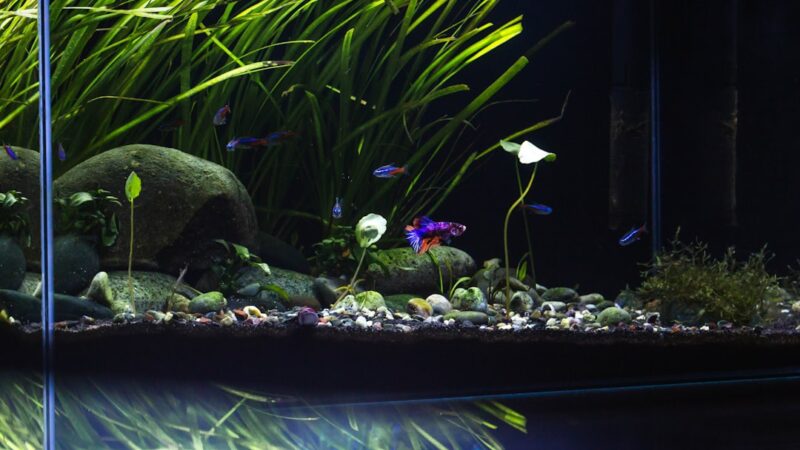
A cloud forest aquascape aims to recreate the lush, vertical landscapes found at high elevations in tropical mountains. The key characteristics are dramatic height, dense moss coverage, cascading plant growth and an overall impression of wildness and moisture. Unlike the clean, minimalist lines of an iwagumi, a cloud forest scape is layered, textured and slightly chaotic, but in a controlled and beautiful way. The hardscape typically features tall, vertical structures that suggest mountain peaks or cliff faces, with vegetation clinging to every surface.
Building the Vertical Hardscape
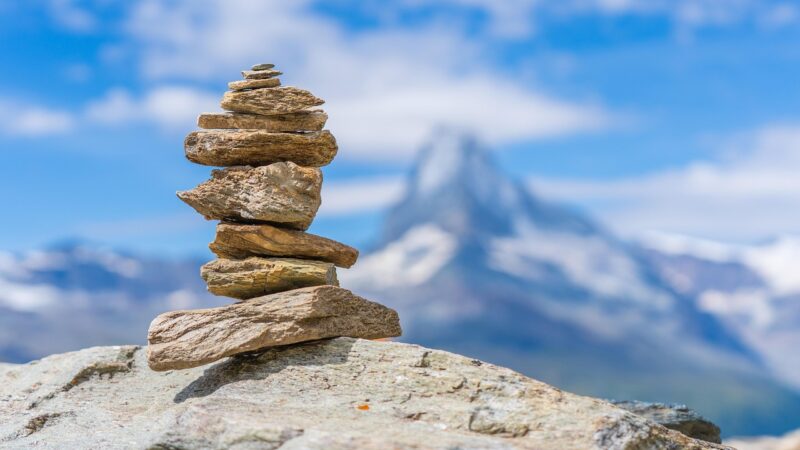
Height is essential. Use tall pieces of dragon stone, seiryu stone or stacked slate to create towering formations that rise above the waterline if you are working with an open-top tank. Alternatively, large pieces of spiderwood or horn wood can be arranged vertically, secured with aquarium-safe epoxy or cable ties hidden behind the wood. Some aquascapers use stainless steel rods or acrylic supports inside hollow structures to provide hidden reinforcement. The goal is to create peaks and ridges with crevices and ledges where mosses and plants can be attached. Ensure the structure is stable before adding water; a collapse can crack the tank.
Substrate Layering and Terracing
A cloud forest aquascape benefits from significant substrate depth at the back and sides, tapering to a shallow foreground. Use lava rock rubble or pumice as a base layer to reduce the amount of aquasoil needed and to improve drainage within the substrate. Top with a nutrient-rich aquasoil such as ADA Amazonia or Tropica Soil. Terracing with small rocks or plastic mesh retainers prevents the soil from sliding forward over time. The terraced layers add to the mountainous feel and create multiple planting zones at different heights.
Moss Selection and Attachment
Moss is the soul of a cloud forest aquascape. Use multiple moss species to create visual variety and texture. Weeping moss drapes downward from branches, mimicking the hanging mosses of real cloud forests. Christmas moss forms dense, layered fronds. Flame moss grows upward, suggesting emerging vegetation. Taiwan moss and peacock moss add further textural contrast. Attach mosses to hardscape using superglue gel, cotton thread or fine fishing line. In Singapore’s warm water temperatures, mosses grow steadily year-round, and regular trimming will be needed to prevent them from becoming too dense and trapping detritus.
Plant Choices for the Cloud Forest Look
Beyond mosses, select plants that reinforce the lush, wild atmosphere. Bucephalandra species, with their varied leaf shapes and textures, are excellent for attaching to rock faces. Anubias petite can be tucked into crevices. Ferns such as Bolbitis heudelotii and Microsorum trident create a delicate, leafy canopy. For the foreground and lower terraces, carpeting plants like Monte Carlo or Hydrocotyle tripartita add a ground-cover effect. If the hardscape extends above the waterline, emersed plants like Selaginella, small ferns and even actual air plants can be used to continue the forest canopy above the water surface.
Creating the Misty Atmosphere
The mist is what sets a cloud forest apart. For open-top tanks, an ultrasonic mist maker placed in a concealed water reservoir above or behind the tank produces a fine fog that drifts over the hardscape. These devices are available in Singapore for SGD 10 to 30 and can be connected to a timer to run periodically. Some hobbyists use a small computer fan to gently push the mist across the top of the scape. For fully submerged setups, the misty effect is suggested through fine-textured mosses, diffused lighting and slightly tannin-tinted water from driftwood, which softens the overall visual tone.
Lighting and Maintenance
Cloud forest scapes with dense moss growth and ferns do well under moderate lighting. Excessively strong light encourages algae on the abundant moss surfaces. A quality LED fixture in the 40 to 60 PAR range at the substrate level is sufficient for most of the plants used in this style. CO2 injection is beneficial but not strictly necessary if you focus on low-demand species like mosses, Bucephalandra and Anubias. Maintenance involves regular moss trimming, removal of dead leaves and detritus, and periodic thinning of overgrown areas to maintain the layered, airy feel rather than a solid green wall.
Inspiration and Next Steps
Look to photographs of real cloud forests in places like Cameron Highlands in Malaysia, the Andes, or Taiwan’s mountainous regions for inspiration. Study award-winning cloud forest aquascapes from competitions like IAPLC and the AGA Aquascaping Contest. The style rewards patience, as the scape becomes more beautiful over months as mosses fill in and plants mature. For personalised advice on planning your cloud forest aquascape, visit Gensou Aquascaping at 5 Everton Park, where we can help you select the perfect hardscape, plants and equipment to bring your misty mountain vision to life.
Related Reading