Aquascaping for a Kid’s Room: Fun, Safe and Educational
An aquarium in a child’s room is more than decoration; it is a window into the natural world that teaches responsibility, patience and respect for living things. This aquascape kids room guide covers how to create a setup that is safe, engaging and manageable for families with children. At Gensou Aquascaping at 5 Everton Park, we regularly help parents design aquascapes that bring wonder to their children’s spaces while remaining practical for busy households.
Choosing the Right Tank Size and Placement
For a child’s room, a tank between 20 and 60 litres strikes the best balance between visual impact and manageability. Nano tanks under 20 litres are charming but less forgiving of water quality fluctuations, which can be challenging when a child is involved in feeding. Place the tank on a sturdy, low piece of furniture at the child’s eye level rather than on a high shelf. Ensure the stand or table can support the full weight of the tank when filled; water weighs approximately one kilogram per litre. Position the tank away from windows to avoid direct sunlight, which promotes algae growth, and away from doors to minimise vibration and startling the fish.
Safety Considerations for Families
Safety is the top priority. Use a tank with a lid to prevent curious hands from reaching in and to stop fish from jumping out. Ensure all electrical equipment, including the filter, heater and light, is connected through a residual current device (RCD) for protection against electrical faults. Tuck cables neatly behind the tank and out of reach. Avoid glass thermometers that can break; use a digital stick-on or submersible probe instead. Store fish food, water conditioner and any medications in a locked cabinet or high shelf inaccessible to young children. Supervise feeding and water changes until the child is old enough to perform these tasks safely.
Fun and Colourful Aquascaping Themes
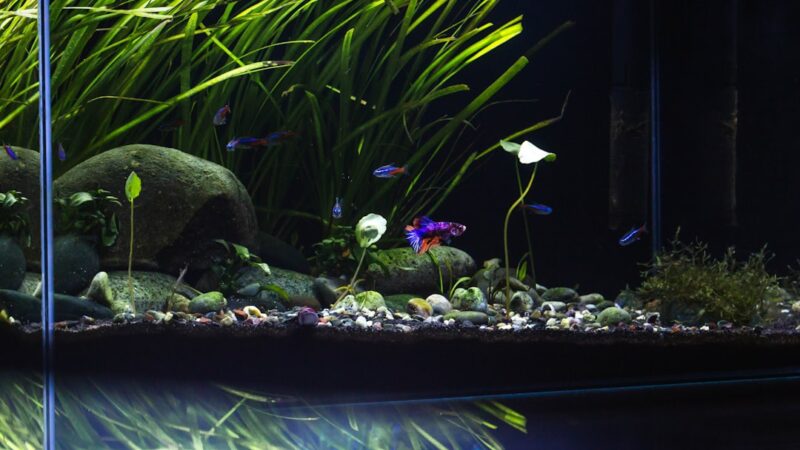
Children respond to colour and narrative. Design the aquascape around a theme that sparks the child’s imagination. A jungle theme with dense planting, twisted driftwood and small colourful fish like neon tetras or guppies creates an adventurous feel. A treasure island theme might incorporate smooth river stones arranged as a pathway and a small ceramic ornament as a focal point. A fairy garden theme with lush mosses, tiny Anubias and a school of celestial pearl danios evokes a magical miniature world. Involve the child in choosing the theme and selecting fish species from a curated shortlist of suitable options.
Best Fish and Invertebrates for a Kid’s Tank
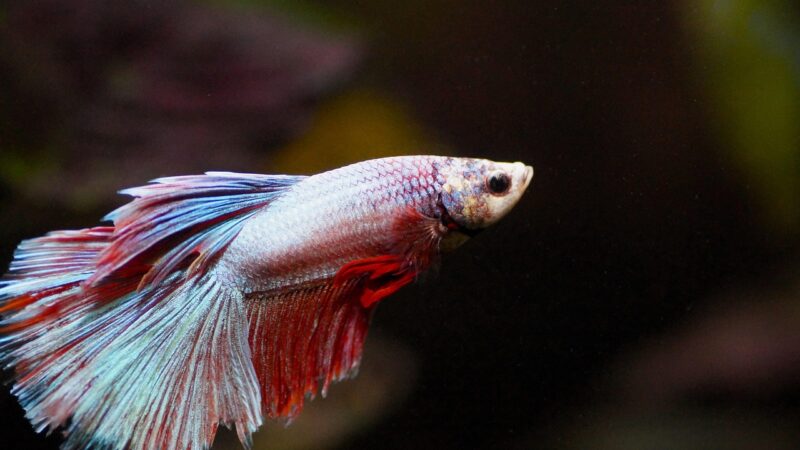
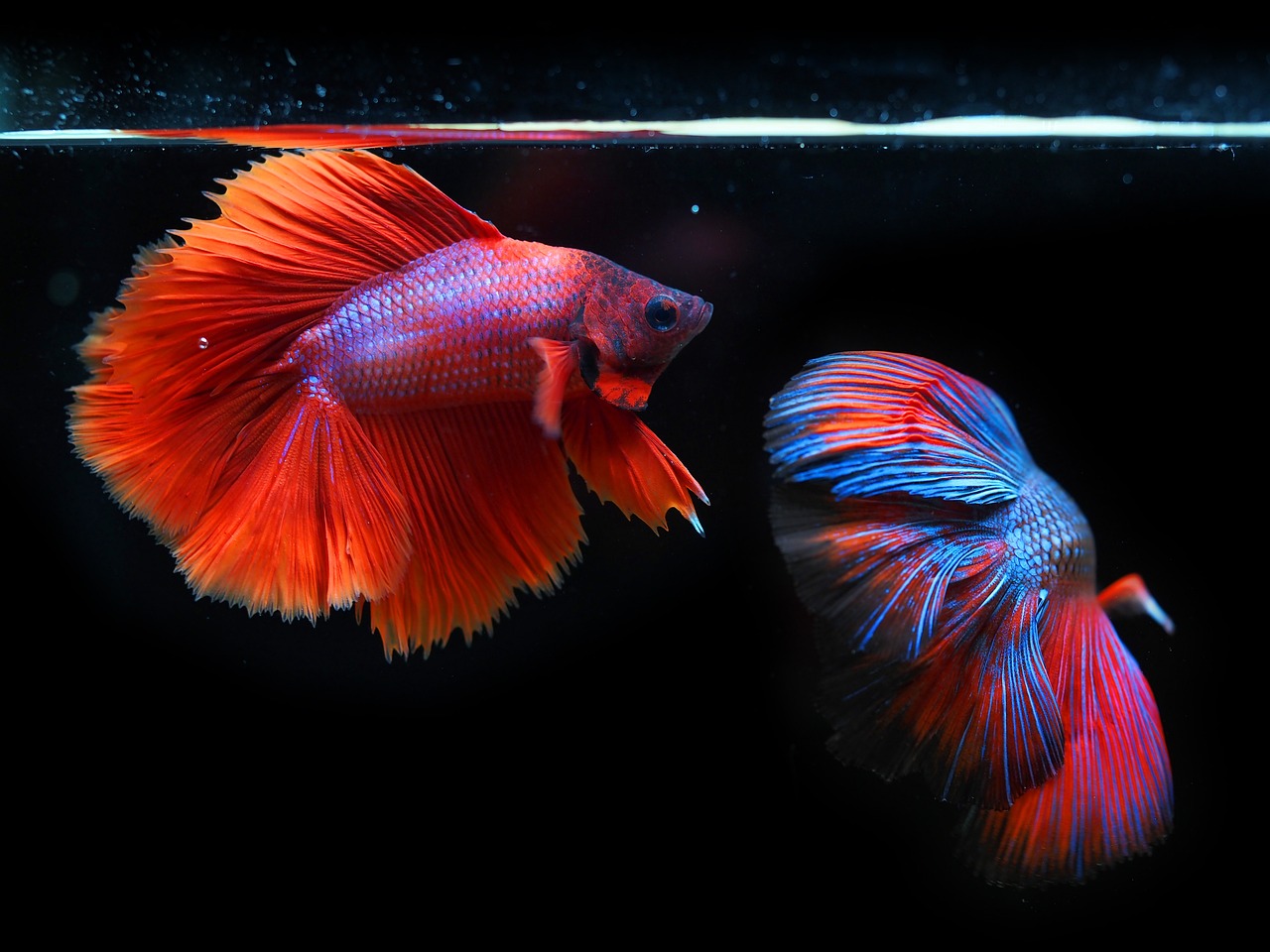
Select hardy, peaceful species that are forgiving of minor water quality fluctuations. Endler’s livebearers and guppies are colourful, active and breed readily, which children find exciting. White cloud mountain minnows tolerate a range of temperatures and are virtually indestructible. Cherry shrimp are fascinating to watch and come in vibrant red, which children love. Nerite snails are excellent algae eaters with attractive patterned shells. Betta fish are a classic choice for solo tanks, with their flowing fins and bold personalities captivating children and adults alike. Avoid large, aggressive or delicate species that require precise water conditions.
Low-Maintenance Plants for Beginners
Choose plants that grow well without CO2 injection or demanding fertiliser regimes. Java fern, Anubias and Java moss are nearly indestructible and thrive in a wide range of conditions. Cryptocoryne species are slow-growing and undemanding once established. Floating plants like Salvinia or Amazon frogbit provide shade, reduce algae and give shy fish a sense of security. These plants also absorb nitrates, contributing to water quality between water changes. Attach Java fern and Anubias to driftwood or stones with superglue gel so they stay in place even if the child accidentally bumps the tank.
Teaching Responsibility Through Aquarium Care
An aquarium is an excellent tool for teaching children about responsibility. Assign age-appropriate tasks: a five-year-old can sprinkle a measured amount of food once daily, a seven-year-old can help check the thermometer and report the reading, and a ten-year-old can assist with water testing and partial water changes under supervision. Create a simple chart on the wall next to the tank listing daily and weekly tasks, and let the child tick them off. The routine builds discipline, and the immediate feedback loop of seeing happy, healthy fish reinforces the connection between care and positive outcomes.
Keeping Maintenance Simple
A kid’s room aquascape should be designed for easy maintenance. A hang-on-back filter or a small internal filter with a sponge pre-filter is simple to clean. Weekly water changes of 20 to 30 per cent take just ten minutes with a small siphon and bucket. Use a timer on the light to ensure a consistent photoperiod of eight to ten hours, removing the guesswork. Feed sparingly; overfeeding is the number one cause of water quality problems in home aquariums. A pinch of quality flake or micro pellet food once a day is sufficient for most small community fish.
Starting the Journey
Setting up an aquascape in a child’s room is a rewarding family project that creates lasting memories and teaches valuable life lessons. Start simple, choose hardy species, involve the child at every step and keep maintenance manageable. As interest and confidence grow, the setup can be upgraded or expanded. Visit Gensou Aquascaping at 5 Everton Park with your family to explore tank options, select fish and plants together, and get expert advice on creating a safe, beautiful aquarium that your child will treasure.
Related Reading