Using Texture Variety in Aquascaping: Mixing Leaf Shapes and Sizes
One of the most overlooked aspects of aquascape design is texture. Colour gets the attention, but it is the interplay of different leaf shapes, sizes and surface qualities that gives a planted tank real visual richness. This texture variety aquascaping guide explains how to combine textures effectively to create layouts with depth, contrast and lasting interest. At Gensou Aquascaping at 5 Everton Park, we consider texture as important as colour when planning any layout.
What Texture Means in Aquascaping
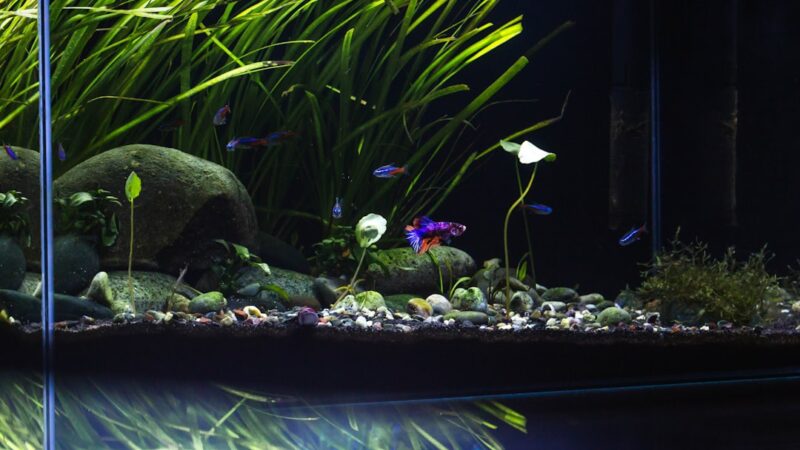
Texture in aquascaping refers to the visual quality of plant surfaces and structures. Fine-textured plants have small, narrow or delicate leaves that create a soft, airy appearance. Coarse-textured plants have large, broad or thick leaves that feel bold and substantial. Between these extremes lies a spectrum of medium textures. Hardscape materials also contribute texture: smooth river stones feel different from rough lava rock, and gnarled driftwood offers a different quality from sleek manzanita branches. A well-designed aquascape balances and contrasts these textures deliberately.
Fine-Textured Plants for Softness and Distance
Fine-textured plants include species like Rotala rotundifolia, Myriophyllum, Eleocharis parvula (dwarf hairgrass) and Hemianthus micranthemoides. These create a soft, feathery appearance and are especially effective in the background, where their delicacy suggests distance and depth. A dense planting of fine-leaved stems behind coarser foreground plants produces a natural layering effect. Mosses like Christmas moss and Fissidens also fall into the fine-texture category and add intricate detail to hardscape surfaces.
Coarse-Textured Plants for Impact and Anchoring
Coarse-textured plants include Anubias barteri, Echinodorus species (sword plants), large Bucephalandra varieties and Cryptocoryne wendtii. Their broad leaves command attention and serve as visual anchors in the layout. Place these in the foreground or midground where they draw the eye and provide a sense of solidity. A single large Anubias attached to a prominent stone can serve as a focal point, its glossy leaves contrasting beautifully with the fine stems surrounding it.
Medium Textures for Transition Zones
Medium-textured plants bridge the gap between fine and coarse, creating smooth transitions within the layout. Species like Hygrophila pinnatifida, Staurogyne repens and Pogostemon helferi offer moderate leaf sizes and interesting shapes that complement both extremes. Place these in midground zones where the layout transitions from bold foreground elements to delicate backgrounds. Without medium textures, the shift from coarse to fine can feel abrupt and jarring.
Combining Textures for Maximum Contrast
The most visually striking effect occurs when contrasting textures sit directly beside each other. A clump of broad-leaved Anubias nana next to a patch of fine Eleocharis creates instant visual tension that the eye finds compelling. Similarly, the rough surface of dragon stone draped with silky weeping moss produces a textural contrast that neither element achieves alone. Aim for at least three distinct texture levels in any layout: one fine, one medium and one coarse. In larger tanks, five or more distinct textures create the complexity found in natural environments.
Texture and Scale in Small Tanks
In nano tanks under 30 litres, texture choices become even more critical. Using plants that are proportionally too large for the tank destroys the sense of scale and makes the layout feel cramped. Stick to smaller species: mini Bucephalandra, Anubias nana petite, small Cryptocorynes and fine mosses. The texture variety should still be present but at a miniature scale. A nano tank with three or four well-chosen species of different textures can look as rich and complex as a much larger setup. Nano-appropriate plants are widely available in Singapore from $3 to $12 SGD per pot or portion.
Hardscape Texture Considerations
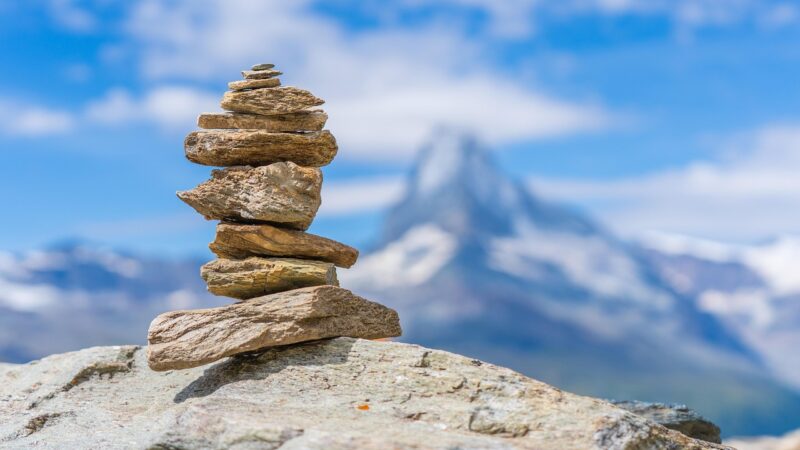
Do not overlook the texture of your stones and wood. Mixing rough and smooth hardscape within the same layout is generally best avoided unless the contrast is deliberate and serves the design. Choose one stone type with a consistent texture and let the plants provide the textural variety. If you use driftwood alongside stone, ensure their surface qualities do not clash. Rough lava rock pairs well with gnarled wood, while smoother seiryu stone suits cleaner driftwood lines.
Building Your Textural Palette
Before purchasing plants, list the textures you want to include and assign each a position in the layout. Think in terms of foreground coarse, midground medium and background fine as a starting framework, then adjust based on your specific design. Visit your local aquarium shop and examine plants not just for colour but for how their leaves feel visually: soft, spiky, rounded, feathery, rigid or flowing. At Gensou Aquascaping, we can help you build a textural palette that transforms a simple planted tank into a layered, visually sophisticated aquascape.
Related Reading