
Blue Acara Cichlid Care Guide: The Overlooked Gem
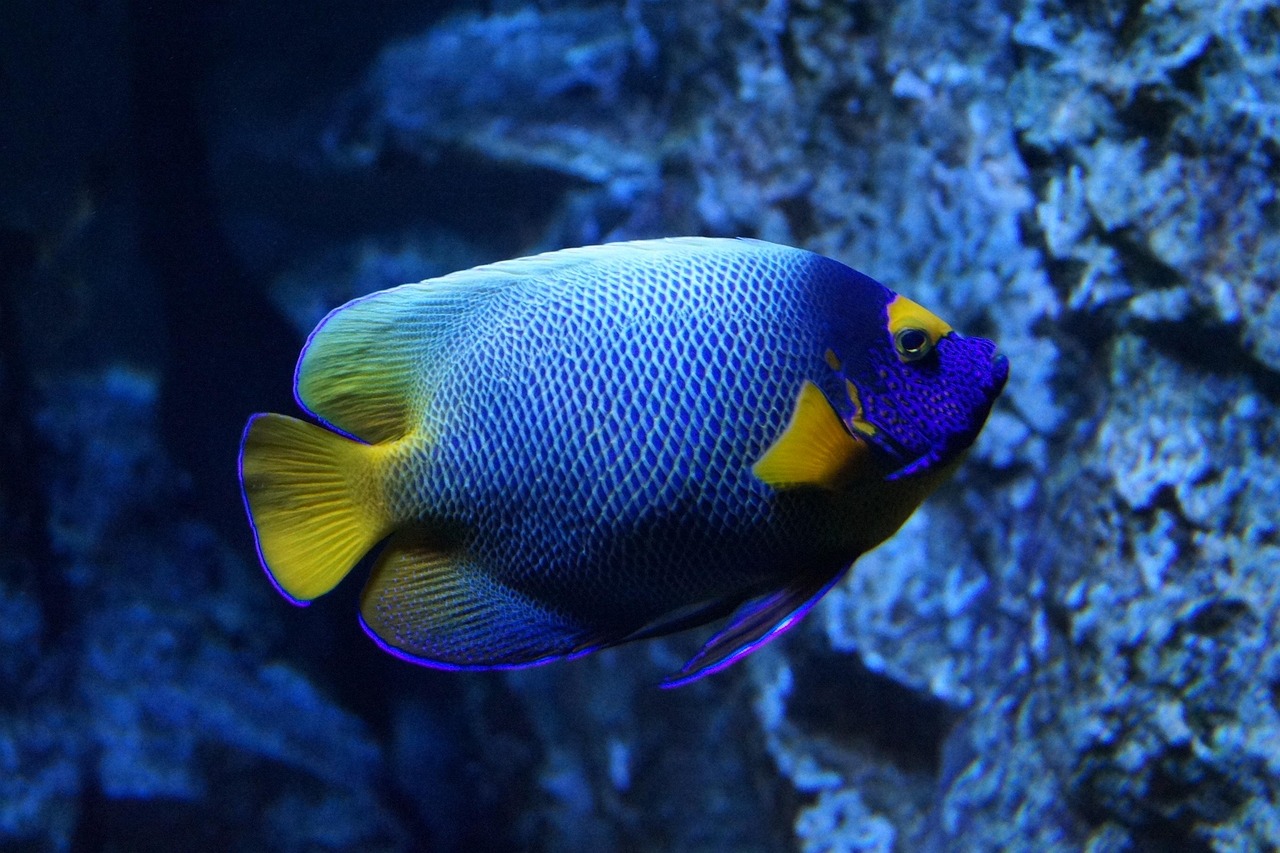
This blue acara cichlid care guide explores one of the most underrated South American cichlids available to hobbyists in Singapore. At Gensou Aquascaping, located at 5 Everton Park, we have long championed the blue acara as a rewarding centrepiece fish that combines striking iridescence with a surprisingly gentle temperament.
Species Overview and Origin
The blue acara (Andinoacara pulcher) hails from slow-moving rivers and streams across Venezuela, Colombia and Trinidad. Adults typically reach 15 to 18 centimetres in length and display an electric blue-green sheen over a grey-brown base. Their compact, oval body and prominent forehead give them an unmistakable silhouette. Unlike many cichlids that demand expert-level care, the blue acara is hardy enough for intermediate keepers and even ambitious beginners who do their homework first.
Tank Size and Setup
A single blue acara requires a minimum tank volume of 150 litres, while a pair does best in 250 litres or more. Choose a tank with a generous footprint rather than a tall, narrow design, as these fish spend most of their time in the lower and middle water column. A sandy substrate is ideal because blue acaras enjoy sifting through it for food. Include driftwood, smooth rocks and hardy plants such as Anubias or Java fern to break sight lines and provide shelter. In Singapore’s warm climate, ambient room temperature often sits within the species’ comfort range, but a reliable heater set to 24 to 28 degrees Celsius ensures stability during cooler spells caused by heavy air conditioning.
Water Parameters
Blue acaras thrive in a pH range of 6.5 to 7.8 and a general hardness of 6 to 20 dGH. Singapore’s tap water, once treated with a dechlorinator, generally falls within acceptable parameters. Maintain ammonia and nitrite at zero and keep nitrate below 30 parts per million through regular 25 to 30 per cent weekly water changes. Good filtration with moderate flow complements the species’ preference for calm to gently moving water. A canister filter rated for the full tank volume, paired with supplementary biological media, is a sound investment.
Diet and Feeding
In the wild, blue acaras are omnivores that feed on insects, crustaceans and plant matter. In captivity, offer a high-quality cichlid pellet as a staple and supplement with frozen bloodworms, brine shrimp and blanched vegetables such as zucchini or spinach. Feed once or twice daily in amounts the fish can consume within two to three minutes. Overfeeding contributes to poor water quality, which is the leading cause of health problems in aquarium fish. Varying the diet encourages vibrant colouration and robust health.
Behaviour and Temperament
The blue acara is often described as one of the more peaceful cichlids. While it will defend a chosen territory, aggression rarely escalates to the level seen in Oscars or Jack Dempseys. They are generally compatible with similarly sized, semi-assertive tankmates. Avoid housing them with very small fish that could be seen as food, or with overly aggressive species that may bully them. A well-structured aquascape with multiple hiding spots helps diffuse territorial disputes.
Compatible Tankmates
Good companions for the blue acara include medium-sized tetras such as Buenos Aires tetras, Corydoras catfish, bristlenose plecos and other peaceful to semi-aggressive South American cichlids like the firemouth. Severums can also work in a sufficiently large tank. In a community setting, keep an eye on interactions during feeding time and after any changes to the aquascape, as territorial boundaries may shift. At Gensou Aquascaping, we recommend planning your stocking list before purchasing to avoid compatibility headaches later.
Breeding Blue Acaras
Blue acaras are open-substrate spawners and form monogamous pairs. When ready to breed, the pair cleans a flat rock or area of substrate and the female deposits 150 to 300 eggs. Both parents guard the eggs and resulting fry with considerable dedication. Eggs hatch within three to four days, and free-swimming fry can be fed newly hatched brine shrimp or finely crushed flake. Breeding behaviour may increase aggression towards tankmates, so be prepared to separate the pair if necessary. Raising a batch of fry in Singapore’s warm conditions is straightforward, making the blue acara an excellent introduction to cichlid breeding.
Health and Common Issues
Blue acaras are robust when kept in clean water with a balanced diet. The most common ailments include ich, which presents as white spots on the body, and hole-in-the-head disease linked to poor water quality or nutritional deficiency. Quarantine new fish for at least two weeks before introducing them to an established tank. Maintain stable parameters and perform consistent water changes to minimise stress. If you notice lethargy, colour loss or clamped fins, test your water immediately and consider a salt bath or appropriate medication. Visit Gensou Aquascaping at 5 Everton Park for hands-on advice tailored to Singapore’s water conditions and climate.
Related Reading
- Cobalt Blue Zebra Cichlid Care Guide: Brilliant Mbuna Blue
- Electric Blue Acara Care Guide: The Peaceful Cichlid
- Acei Cichlid Care Guide: The Peaceful Mbuna Exception
- Aura Blue Shrimp Care Guide: Caridina Cantonensis Blue Morph
- Auratus Cichlid Care Guide: Beautiful and Brutally Aggressive
If you appreciate the calmer side of New World cichlids like the blue acara, you will likely take to the equally mellow festivum covered in our festivum cichlid care guide.
If the blue acara has won you over to Central American cichlids, the larger and more aggressive species in our Texas cichlid care guide is a natural next step.
Once you’re comfortable with the peaceful blue acara, you might explore the more predatory side of the family in our pike cichlid care guide.
If the blue acara appeals to you, another colourful Central American cichlid worth knowing is covered in our mayan cichlid care guide, which outlines its temperament and tank requirements.



