
Aquarium Water Conditioners Explained: Prime, Safe and Beyond
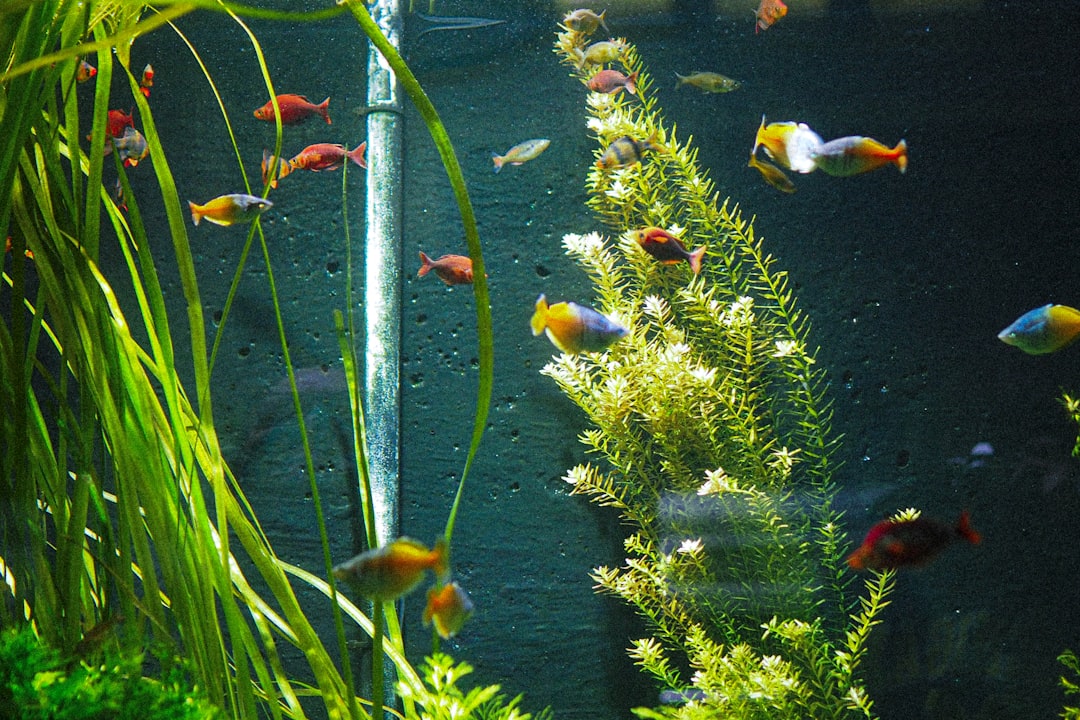
Every fishkeeper needs a reliable aquarium water conditioner guide to understand what goes into their tank with each water change. Singapore’s tap water contains chlorine and chloramine that are lethal to fish and beneficial bacteria. At Gensou Aquascaping, 5 Everton Park, we consider water conditioner the single most essential product for any aquarium.
Why Water Conditioners Are Essential
PUB treats Singapore’s tap water with chloramine, a stable compound that does not dissipate on its own like chlorine does. Chloramine damages fish gills, destroys beneficial bacteria colonies and can crash a tank’s nitrogen cycle within hours. Water conditioners neutralise chloramine instantly, making tap water safe for aquatic life. Skipping this step, even once, can have devastating consequences for your livestock and plants.
How Water Conditioners Work
Most water conditioners contain sodium thiosulphate, which breaks the chlorine-ammonia bond in chloramine. The chlorine is neutralised immediately, while the released ammonia is temporarily bound into a non-toxic form called ammonium. Your biological filter then processes the ammonium over the next 24 to 48 hours. Some advanced formulas also include compounds that bind heavy metals like copper and zinc, which can leach from old plumbing.
Seachem Prime: The Industry Standard
Seachem Prime is the most popular water conditioner among Singapore hobbyists, and for good reason. It removes chlorine and chloramine, detoxifies ammonia and nitrite for up to 48 hours, and binds heavy metals. The concentrated formula means a 500-millilitre bottle treats over 20,000 litres of water. At SGD 18 to SGD 25 for the 500-millilitre size, it offers excellent value. Dose two drops per four litres during water changes, or five millilitres per 200 litres for the standard dosage.
Prime has a distinctive sulphur smell that concerns new hobbyists, but this is completely normal and does not affect water quality. It is safe for use in planted tanks and does not interfere with fertilisers or CO2.
Seachem Safe: The Dry Alternative
Seachem Safe is essentially Prime in powdered form. A small 250-gram container treats an enormous 250,000 litres of water, making it the most cost-effective option for hobbyists running multiple tanks. It is especially popular among breeders and fish room operators in Singapore. However, dosing accuracy requires a precision scale, as the amounts are tiny. A 0.01-gram scale from Shopee costs around SGD 10 and is indispensable if you choose this product.
Other Popular Water Conditioners
API Tap Water Conditioner is another concentrated formula available at most local fish shops. It handles chlorine, chloramine and heavy metals but does not detoxify ammonia or nitrite. A 473-millilitre bottle costs around SGD 12 to SGD 18. Hikari Ultimate is a premium Japanese option that includes additional slime coat protectors and stress reducers, priced at SGD 15 to SGD 22 for 500 millilitres.
For budget-conscious hobbyists, SL-Aqua Purify and local brands available at Qian Hu fish farm offer basic dechlorination at lower price points, typically SGD 5 to SGD 10 per bottle. These work well for straightforward chlorine and chloramine removal but lack the advanced detoxifying features of Prime.
Dosing Tips and Common Mistakes
Always add the conditioner to new water before it enters the tank, or dose the tank volume directly before refilling. Never pour untreated water into an occupied aquarium. Overdosing by two to three times is generally safe with most conditioners, but chronic overdosing can deplete dissolved oxygen. Stick to the recommended dose unless you are dealing with an emergency ammonia spike, in which case a double dose of Prime provides temporary relief.
A common mistake is using conditioners that only remove chlorine when your water supply contains chloramine. Always check your local water authority’s treatment method. In Singapore, chloramine is standard, so ensure your product explicitly states chloramine removal.
Water Conditioners and Planted Tanks
Some hobbyists worry that water conditioners interfere with plant nutrition. In practice, the effect is negligible. Conditioners that bind heavy metals may temporarily reduce iron availability, but this is minor and offset by regular fertilisation. If you dose iron supplements, simply add them a few hours after the water change and conditioner treatment.
Products containing aloe vera or slime coat additives are unnecessary for planted tanks and can contribute to surface film. Stick with pure dechlorinators for the cleanest results.
Choosing the Right Conditioner for Your Setup
For a single tank under 200 litres, Seachem Prime in the 250-millilitre or 500-millilitre size is the best all-round choice. For multiple tanks or fish rooms, Seachem Safe offers unbeatable economy. If you want a simple, no-frills dechlorinator without ammonia detoxification, API Tap Water Conditioner does the job at a lower cost. Visit Gensou Aquascaping at 5 Everton Park to compare products in person, and our team will help you select the right conditioner for your specific tank requirements and budget.
Related Reading



