
Staurogyne Bihar Care Guide: Compact Green Foreground Plant
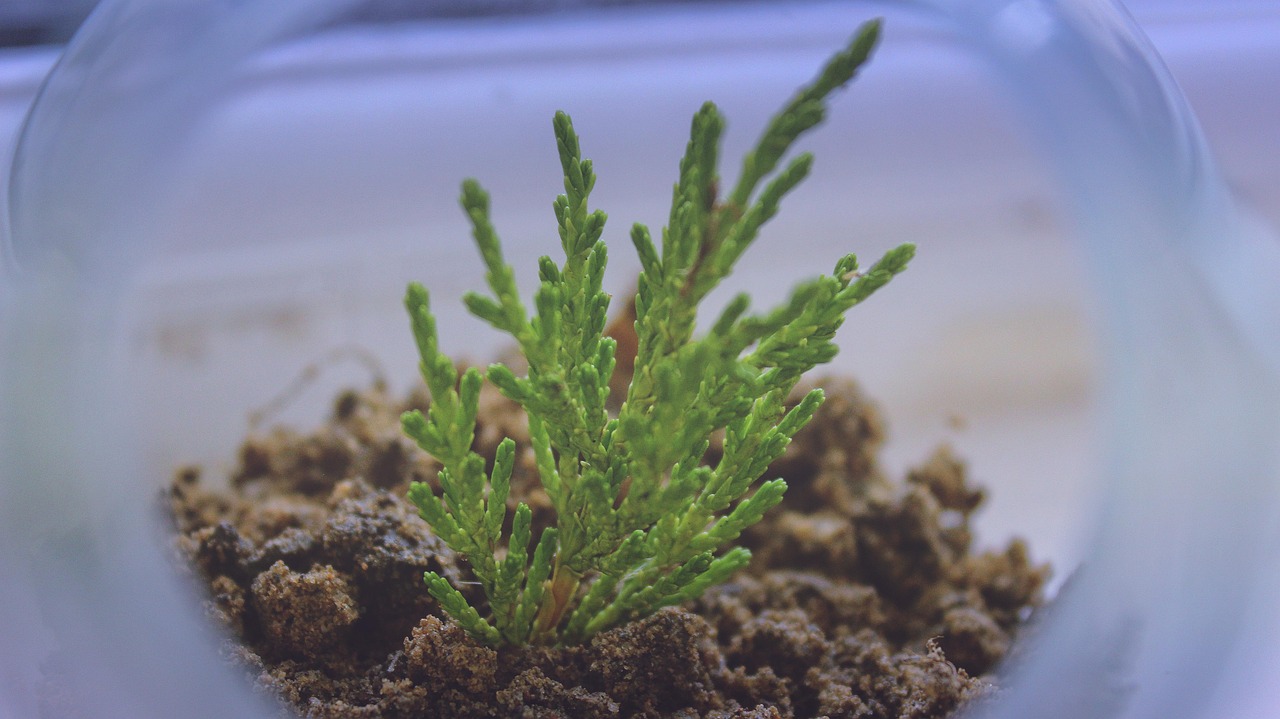
This staurogyne bihar care guide introduces a compact and versatile foreground plant that deserves wider recognition among aquascapers. At Gensou Aquascaping, based at 5 Everton Park in Singapore, we find Staurogyne bihar to be an excellent option for creating structured, low-growing green carpets with minimal fuss.
Plant Profile and Origin
Staurogyne bihar is a relatively new addition to the aquascaping plant catalogue, originating from the Bihar region of India. It belongs to the family Acanthaceae, the same family as its more widely known relative Staurogyne repens. Staurogyne bihar grows even more compact than S. repens, producing dense clusters of small, bright green leaves on short stems. Its tight growth habit and manageable size make it particularly well-suited for foreground planting in nano and standard-sized aquariums alike.
Lighting Requirements
Staurogyne bihar performs best under moderate to high lighting. A PAR reading of 40 to 80 micromoles at the substrate level encourages compact, bushy growth with short internodes. Under lower lighting, the plant tends to stretch upward, losing its desirable dense form. High-quality LED fixtures commonly available in Singapore provide the spectrum and intensity this plant needs. A photoperiod of eight to ten hours daily is sufficient to support healthy growth without promoting excessive algae.
CO2 and Nutrient Requirements
While Staurogyne bihar can survive without CO2 injection, it performs significantly better with pressurised CO2 at levels between 20 and 30 parts per million. CO2 promotes tighter growth, richer green colouration, and faster establishment. For fertilisation, a balanced approach including macro and micronutrients is recommended. Root-feeding tabs placed near the base of established clumps can boost growth, as this plant develops a strong root system that draws nutrients efficiently from the substrate.
Substrate and Planting Method
A fine-grained, nutrient-rich aquasoil is the ideal substrate for Staurogyne bihar. The plant roots deeply and benefits from a substrate layer of at least four to five centimetres. When planting tissue culture portions, divide them into small clusters and plant them approximately two to three centimetres apart using fine-tipped tweezers. Press the roots firmly into the substrate to prevent floating. The initial growth period may appear slow as the plant establishes its root network, but once settled, it fills in steadily.
Growth Habit and Trimming
Staurogyne bihar grows in a lateral, creeping pattern, sending out runners and side shoots that gradually form a dense mat. As the carpet thickens, trimming the tops encourages even denser lateral growth. Use sharp curved scissors to trim the plant to the desired height, typically two to four centimetres for a foreground application. Remove any clippings promptly to prevent them from settling on the carpet and blocking light to the lower portions. Trimming every three to four weeks is generally sufficient for well-lit tanks.
Aquascaping Uses and Design
Staurogyne bihar excels in the foreground and transitional zones of an aquascape. Its compact green form provides an excellent base layer in front of taller midground plants and hardscape features. It works particularly well in Iwagumi-style layouts where a uniform green carpet is desired without the extreme demands of plants like Hemianthus callitrichoides. It can also be planted between stones and along the bases of driftwood to soften the transition between hardscape and substrate.
Common Issues and Troubleshooting
The most common issue with Staurogyne bihar is upward stretching caused by insufficient light. If stems become leggy, increase the lighting intensity or duration. Yellowing lower leaves may indicate nutrient deficiency, particularly nitrogen or iron. Address this by adjusting your fertilisation regime or adding root tabs. Melting during the initial planting phase is normal for tissue culture plants transitioning to submersed growth. Remove decaying material and allow healthy new growth to emerge. Algae on the leaves is typically a sign of nutrient imbalance or inadequate CO2.
Growing Staurogyne Bihar in Singapore
Staurogyne bihar is becoming more widely available in Singapore through tissue culture suppliers and specialist aquarium shops. Its adaptability to Singapore’s warm water temperatures and its forgiving nature compared to more demanding carpet plants make it a practical choice for local aquascapers. Whether you are building a competition-grade aquascape or a low-maintenance planted tank, the team at Gensou Aquascaping can advise on incorporating Staurogyne bihar into your design for a clean, professional foreground.
Related Reading



