How to Aquascape for Discus: Tall Plants and Warm Water
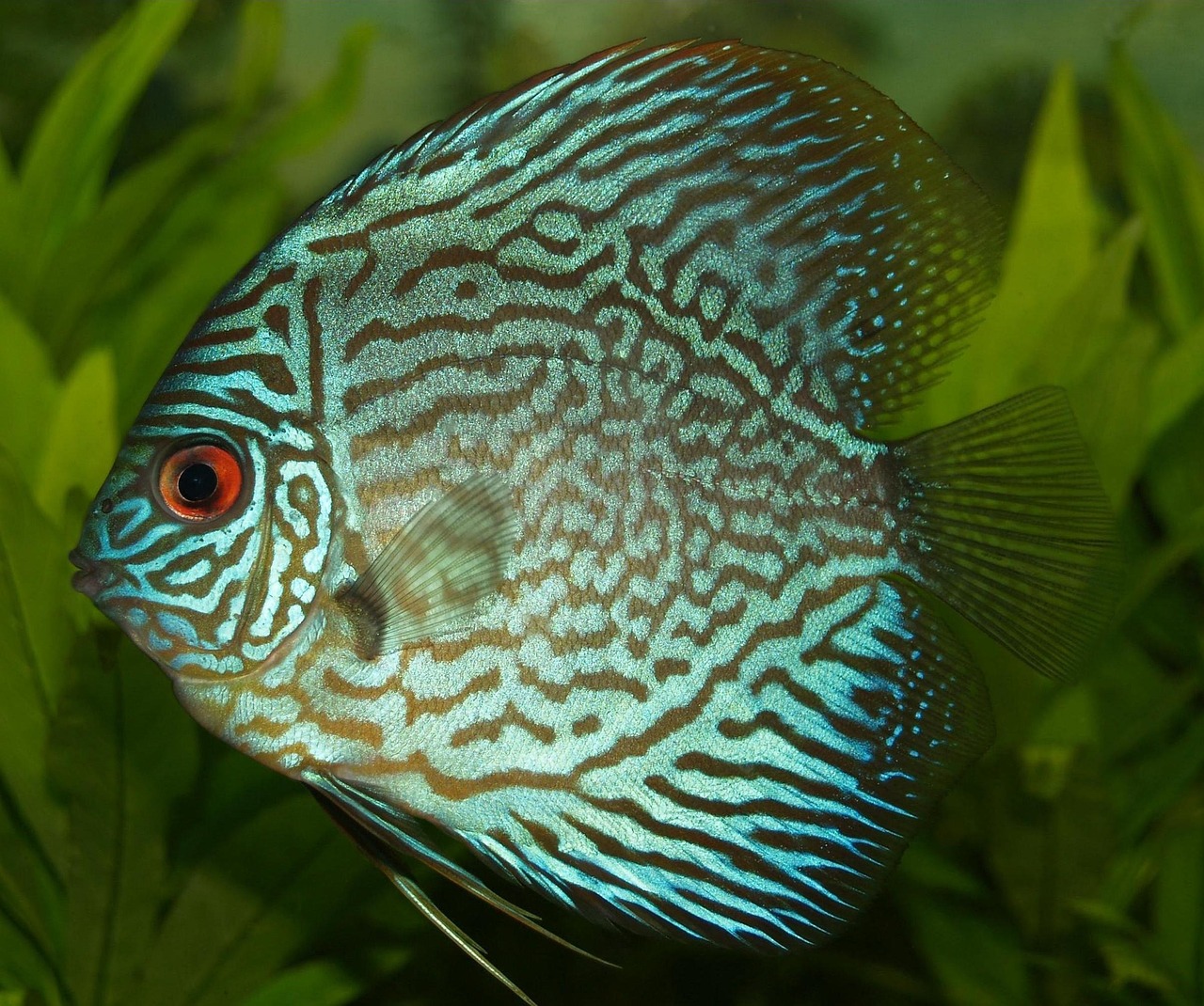
This aquascape discus tank guide bridges two passions that many hobbyists assume are incompatible — lush planted aquascaping and the demanding care of discus fish. At Gensou Aquascaping, based at 5 Everton Park in Singapore, we have built several discus display tanks that prove a thriving planted layout and healthy discus can coexist beautifully.
Why Discus Tanks Are Challenging to Aquascape
Discus require warm water — typically 28–32 °C — which is higher than the comfort zone of many popular aquarium plants. They prefer soft, slightly acidic water with minimal hardness. They are sensitive to poor water quality, demanding frequent water changes. And their tall, disc-shaped bodies need open swimming space, which conflicts with the dense planting most aquascapers favour. Overcoming these constraints requires thoughtful plant selection and layout design.
Water Parameters for a Planted Discus Tank
Aim for a temperature of 28–30 °C, a pH of 6.0–7.0, and a GH below 8. Singapore’s tap water is moderately soft, so mixing it 50:50 with RO water often hits the target. Pressurised CO2href=”/co2/”>CO2 injection is beneficial — it helps plants thrive at higher temperatures where dissolved CO2 naturally decreases. Maintain nitrate below 20 ppm with 30–50 per cent weekly water changes. Match the replacement water’s temperature and chemistry closely to avoid stressing the discus.
Choosing Heat-Tolerant Plants
Not all aquarium plants tolerate 30 °C and above. Focus on species that originate from tropical climates and have a proven track record in warm setups.
Echinodorus (Amazon Swords). These tall, broad-leaved plants are native to warm South American waters and thrive at discus temperatures. Echinodorus bleheri and E. cordifolius make impressive centrepieces. Available at Singapore fish shops for SGD 5–12 per plant.
Vallisneria. Fast-growing and heat-tolerant, Vallisneria spiralis and V. nana create lush green curtains at the back of the tank. Their grass-like leaves sway in the current, complementing the graceful movement of discus.
Anubias. Slow-growing but bulletproof at any temperature. Attach to driftwood or stone for a natural look. The broad leaves provide resting spots where discus can shelter.
Java Fern (Microsorum pteropus). Another epiphyte that handles warmth without complaint. The Windelov and trident varieties add fine texture to the midground.
Cryptocoryne wendtii and C. balansae. Crypts adapt well to warm, soft water and fill the midground with textured foliage. They are among the easiest plants to maintain alongside discus.
Staurogyne repens. One of the few foreground plants that tolerates higher temperatures. It forms a low, bushy carpet without CO2 but fills in faster with injection.
Layout Design for Discus
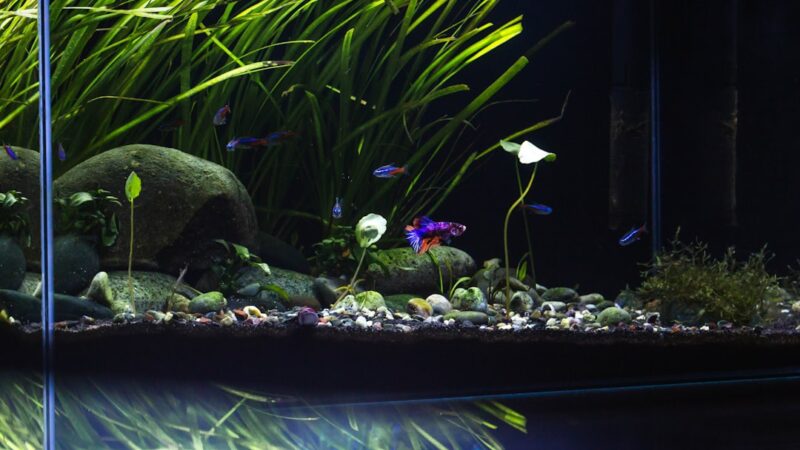
Discus need at least 200 litres for a small group of five to six fish — 300 litres or more is preferable. Use a tall tank of at least 45–50 cm height to accommodate their disc-shaped profile. Design the layout with open water in the centre and front third of the tank, reserving the rear and sides for planting and hardscape. This gives the discus a clear swimming corridor while framing them against a lush green backdrop.
Tall driftwood branches rising from the substrate mimic the submerged roots and fallen trees of the Amazon. Place them off-centre and use them as attachment points for Anubias and Java Fern. Avoid sharp or rough stone that could scrape the discus’s delicate mucus coat — smooth river rocks or rounded driftwood are safer choices.
Substrate Considerations
A nutrient-rich substrate like ADA Amazonia supports root-feeding plants and softens the water slightly through its acidifying properties — a bonus for discus. Cap with a thin layer of fine sand in the foreground where discus feed, as coarse gravel can trap food and detritus. Some discus keepers prefer bare-bottom tanks for hygiene, but a planted tank with proper maintenance performs just as well and looks infinitely better.
Lighting and CO2
Moderate lighting of 40–60 micromoles PAR at the substrate suits the recommended plant species without stressing discus, which prefer subdued conditions. Run lights for seven to eight hours per day. Pressurised CO2 at one to two bubbles per second, injected via an inline diffuser, keeps plants photosynthesising efficiently at elevated temperatures. Monitor with a drop checker — aim for a lime-green reading indicating approximately 30 ppm CO2.
Feeding and Maintenance
Discus are heavy eaters — feed high-quality pellets, frozen bloodworms, and beef heart mix two to three times daily. Uneaten food decays quickly in warm water, so remove leftovers promptly. Siphon the substrate during weekly water changes to extract detritus. Prune fast-growing plants like Vallisneria regularly to maintain open swimming lanes and prevent the layout from becoming overgrown.
Sourcing Discus in Singapore
Singapore is one of the world’s top discus breeding hubs, so sourcing healthy, locally bred fish is straightforward. Visit specialist discus farms and shops in areas like Pasir Ris Farmway and Sims Avenue. Locally bred discus are adapted to Singapore’s water conditions, reducing acclimatisation stress. Prices range from SGD 20 for juvenile common strains to SGD 100 or more for premium varieties like Pigeon Blood or Checkerboard. Buy in groups of at least five to reduce aggression and encourage natural schooling behaviour.
A planted discus tank is the pinnacle of freshwater aquascaping — majestic fish framed by vibrant greenery in warm, soft water. Visit Gensou Aquascaping at 5 Everton Park for layout advice and plant recommendations tailored to your discus setup.
Related Reading