
Platinum Angelfish Care Guide: Silver Elegance for Tall Tanks
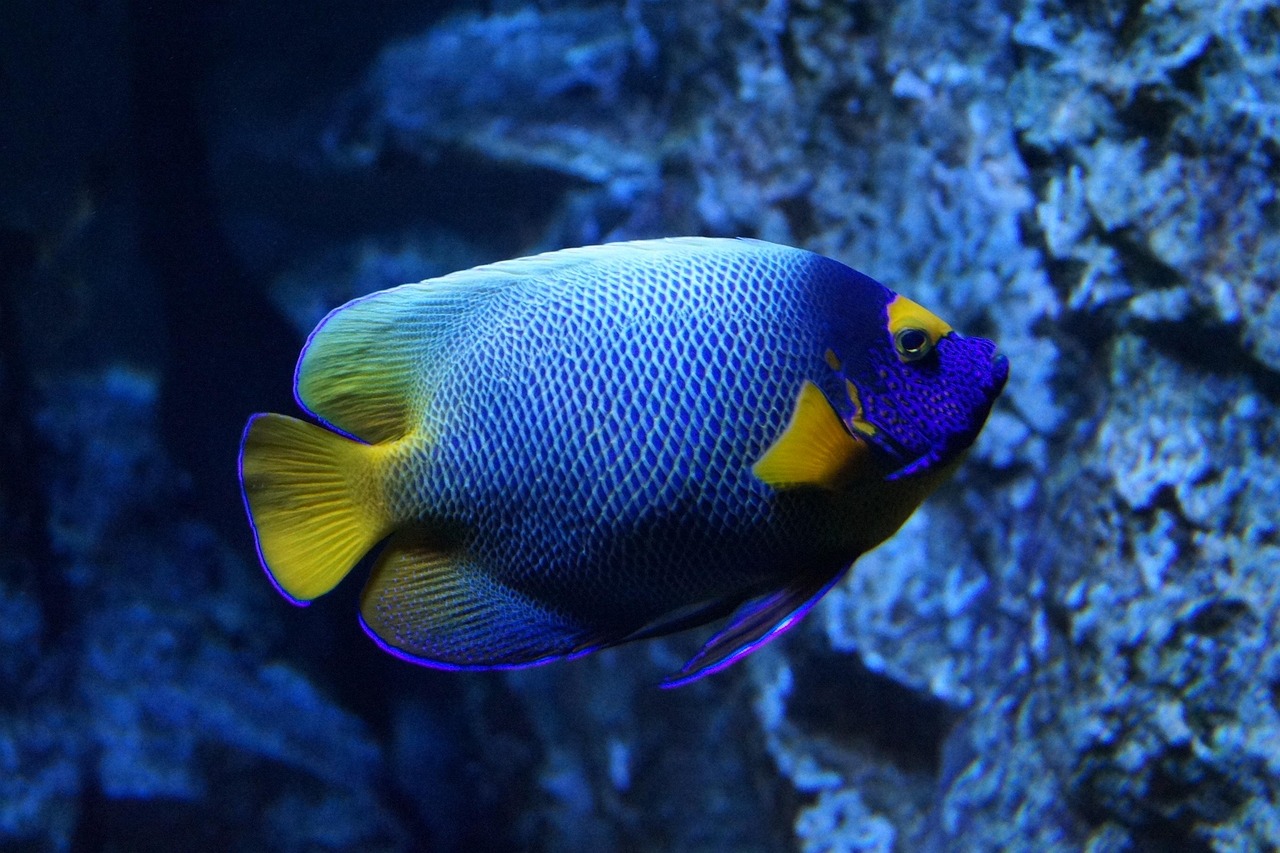
This platinum angelfish care guide provides a thorough overview of keeping one of the most elegant freshwater cichlids in a planted aquarium. At Gensou Aquascaping, situated at 5 Everton Park, Singapore, we frequently help hobbyists pair these striking silver fish with lush aquascapes that highlight their graceful silhouette.
Species Background
The platinum angelfish is a selectively bred colour morph of Pterophyllum scalare, prized for its uniform silvery-white body free of dark vertical bars. Originally native to the slow-moving tributaries of the Amazon basin, domesticated strains have adapted well to a range of aquarium conditions.
Platinum angels share the same iconic laterally compressed body and elongated dorsal and anal fins as other angelfish varieties. They can reach 15 cm in body height, so vertical tank space is essential. Their calm, regal swimming style makes them a natural centrepiece for medium to large planted layouts.
Tank Size and Aquascape Design
A minimum tank volume of 150 litres is recommended for a pair of platinum angelfish, with 200 litres or more preferred for a small group. The aquarium should be at least 45 cm tall to accommodate their extended finnage comfortably.
Tall-growing plants such as Vallisneria, Echinodorus species, and large stem plants complement their vertical profile. Incorporate driftwood and broad-leaved plants for shelter without overcrowding the mid-water swimming space. A dark substrate and background enhance the fish’s platinum sheen, creating a dramatic visual effect in any living room or office display.
Water Parameters
Platinum angelfish are adaptable, tolerating a temperature range of 25 to 30 degrees Celsius. Singapore’s warm ambient temperatures suit them well, and a heater is often unnecessary in non-air-conditioned rooms. Aim for a pH between 6.0 and 7.5 and general hardness of 3 to 10 dGH.
Weekly water changes of 25 to 30 per cent help maintain excellent water quality. Use a reliable canister or hang-on-back filter rated for the tank volume. Angelfish produce a moderate bioload, so efficient biological filtration is important, especially in well-planted setups where decomposing leaves may add organic matter.
Diet and Feeding Routine
Platinum angelfish are omnivores that readily accept a wide range of foods. Offer high-quality cichlid pellets or flakes as a staple, supplemented with frozen bloodworms, brine shrimp, and mysis shrimp. Occasional blanched vegetables such as zucchini slices provide beneficial fibre.
Feed two to three times daily in moderate portions. Overfeeding can foul the water and contribute to health problems. Varied nutrition helps maintain the fish’s bright platinum colouration and supports immune function, which is especially important in Singapore’s tropical climate where bacterial issues can escalate in warm water.
Behaviour and Tank Mates
Angelfish are semi-aggressive cichlids that establish a pecking order within their group. Keep them in pairs or groups of five or more to spread aggression. Avoid keeping just two or three, as a dominant individual may relentlessly bully subordinates.
Suitable tank mates include medium-sized tetras such as rummy-nose or congo tetras, corydoras catfish, bristlenose plecos, and peaceful gouramis. Avoid very small fish like neon tetras in the long term, as adult angelfish may predate on them. Shrimp are generally not safe companions once the angels reach maturity.
Health and Disease Management
Platinum angelfish can be prone to ich, hexamita, and angelfish virus. Purchase from reputable sources and quarantine new arrivals for two to three weeks. Maintain pristine water quality, as stress from poor conditions is the primary trigger for disease outbreaks.
Watch for symptoms such as white spots, hole-in-head lesions, or loss of appetite. Treat promptly with appropriate medications. In Singapore, many local fish shops stock a good range of aquarium remedies; however, prevention through consistent husbandry remains the best strategy.
Breeding Platinum Angelfish
Breeding is straightforward once a compatible pair forms. Provide a flat surface such as a broad leaf, slate, or a vertical spawning cone. The pair will clean the surface meticulously before the female deposits rows of adhesive eggs, which the male then fertilises.
Both parents typically guard the eggs and fan them to maintain water flow. Eggs hatch in about 48 to 60 hours, and the wrigglers become free-swimming within a week. Feed the fry with freshly hatched baby brine shrimp. Some pairs may eat their first few batches, but they usually improve with experience.
Why Platinum Angelfish Suit Singapore Aquascapes
With their elegant form, peaceful temperament relative to other cichlids, and compatibility with planted tanks, platinum angelfish remain a perennial favourite among local hobbyists. Their tolerance of warm water makes them particularly well-suited to Singapore conditions. For advice on selecting healthy specimens and designing a tank that showcases their beauty, visit Gensou Aquascaping at 5 Everton Park.
Related Reading



