
Best pH Pen Meters for Aquarium Use
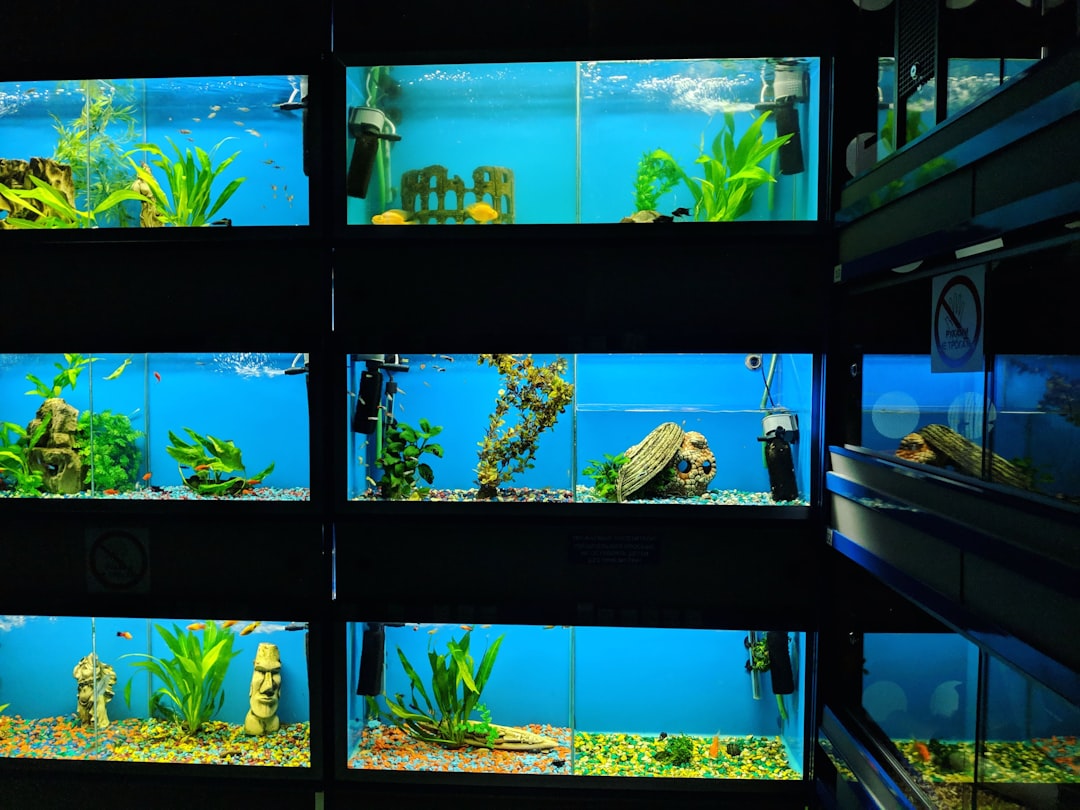
Choosing the best pH pen meter aquarium hobbyists can rely on saves time, improves accuracy and takes the guesswork out of water chemistry. At Gensou Aquascaping, 5 Everton Park, Singapore, we use digital pH pens daily across our freshwater and marine projects because they deliver instant, repeatable readings that liquid test kits simply cannot match.
Why Use a pH Pen Instead of a Liquid Kit?
Liquid pH test kits work by colour comparison, which is subjective and difficult to read accurately, especially in the 6.5 to 7.5 range where many tropical species live. A pH pen provides a numerical reading to one or two decimal places within seconds. This precision is critical when keeping CO2-injected planted tanks, Caridina shrimp or marine reef systems where even a 0.2 pH swing can cause stress. A digital pen also eliminates the need for test tubes, reagent bottles and colour charts, making testing quicker and less messy.
Key Features to Look For
Not all pH pens are created equal. Prioritise the following when shopping:
- Accuracy: Look for a rated accuracy of plus or minus 0.01 to 0.05 pH. Anything less precise than 0.1 is not worth the investment for aquarium use.
- Resolution: A resolution of 0.01 pH allows you to detect small changes that a 0.1-resolution pen would miss.
- Automatic temperature compensation (ATC): pH readings are temperature-dependent. ATC adjusts the reading based on the water temperature, providing a true result regardless of whether you test in a warm tropical tank or cool RO water.
- Calibration: Choose a pen that supports at least two-point calibration (pH 4.0 and 7.0) for accuracy across the range. Three-point calibration adds pH 10.0 for marine hobbyists.
- Replaceable electrode: The sensing electrode degrades over time. Pens with replaceable electrodes offer better long-term value than sealed units that must be discarded when the probe wears out.
Top pH Pens for Aquarium Hobbyists
The Apera Instruments PH20 is widely considered the best value pH pen for aquarists. It offers plus or minus 0.01 accuracy, ATC, three-point calibration and a replaceable electrode. Priced at SGD 50 to SGD 70 in Singapore, it strikes an excellent balance between performance and affordability. The included carrying case and calibration sachets make it ready to use out of the box.
The Hanna Instruments HI98107 pHep is a trusted name in water testing. It features plus or minus 0.1 accuracy, ATC and a replaceable electrode. At SGD 40 to SGD 55, it is slightly less precise than the Apera but backed by Hanna’s strong reputation for durability. For hobbyists who need 0.01 resolution, the Hanna HI98128 pHep 5 upgrades accuracy at a higher price point of SGD 100 to SGD 130.
Budget-conscious hobbyists often start with pens from brands like HM Digital or generic TDS/pH combo meters available on Shopee and Lazada for SGD 10 to SGD 25. While these can give a rough indication, their accuracy is often inconsistent, calibration drifts quickly and there is no option to replace the electrode. They are better than nothing but should not be relied upon for sensitive setups.
Calibrating Your pH Pen
Calibration is the single most important step in maintaining accuracy. Use fresh buffer solutions of pH 4.0 and 7.0 for a two-point calibration. Rinse the electrode with distilled or deionised water between solutions and pat dry with a lint-free cloth. Most pens guide you through the calibration process with on-screen prompts. Calibrate at least once a month, or more frequently if you test daily. Buffer solution sachets are inexpensive at SGD 2 to SGD 5 per set and are available at aquarium and laboratory supply shops in Singapore.
Proper Electrode Care
The glass electrode is the most delicate part of the pen. Store it in the manufacturer’s storage solution or, at minimum, in a cap moistened with pH 4.0 buffer or KCl storage solution. Never store the electrode dry, as this shortens its lifespan dramatically. Avoid touching the glass bulb with your fingers, as oils can contaminate the sensing surface. If readings become sluggish or unstable despite calibration, soak the electrode in KCl storage solution overnight. Replace the electrode when it can no longer be calibrated accurately, typically every 12 to 18 months with regular use.
Using a pH Pen Effectively in Your Aquarium
Turn the pen on and allow it to stabilise for a few seconds before immersing the electrode. Submerge the electrode in the aquarium water to the recommended depth, usually 2 to 3 centimetres. Gently stir the pen in the water to ensure fresh water contacts the sensor. Wait for the reading to stabilise, which typically takes 10 to 30 seconds. Record the result in a logbook or spreadsheet so you can track trends over time. Test at the same time of day for consistency, as pH naturally fluctuates between the lights-on and lights-off periods in planted tanks.
Where to Buy in Singapore
Apera and Hanna pH pens are stocked at aquarium specialty shops, laboratory supply stores and online platforms including Shopee, Lazada and Amazon Singapore. Replacement electrodes and buffer solutions are also widely available. For advice on selecting the right pH pen for your specific aquarium type and budget, the team at Gensou Aquascaping is always happy to share our hands-on experience with the models we use every day.
Related Reading



