How to Aquascape for Puffer Fish: Enrichment and Exploration
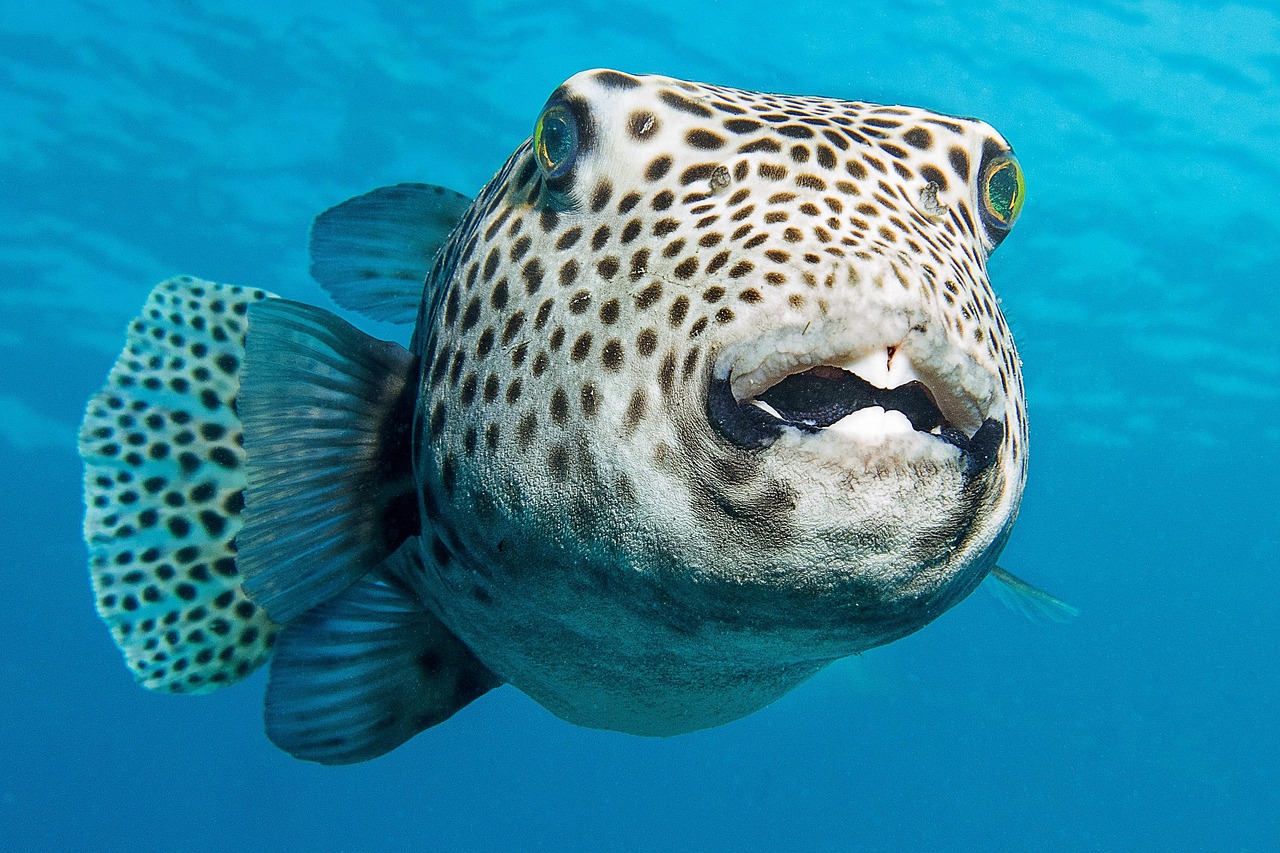
This aquascape puffer fish tank guide helps you design a layout that meets the unique behavioural needs of these intelligent, curious and sometimes destructive aquarium inhabitants. At Gensou Aquascaping at 5 Everton Park, Singapore, we have worked with several puffer species and know that a well-planned aquascape is essential for keeping these fish stimulated, healthy and displaying their best behaviour.
Understanding Puffer Fish Behaviour
Puffer fish are among the most intelligent freshwater fish in the hobby. They recognise their owners, investigate new objects and need environmental complexity to prevent boredom. A barren tank leads to stress, glass surfing and aggression. Puffers are also notorious for rearranging lightweight decorations, uprooting plants and nipping at anything that catches their attention. Your aquascape needs to accommodate this curiosity while being robust enough to withstand their interference. Think of the layout as an enrichment environment rather than a static display.
Popular Freshwater Puffer Species
The most commonly kept freshwater puffers in Singapore include the pea puffer (Carinotetraodon travancoricus), the Amazon puffer (Colomesus asellus), the figure-eight puffer (Dichotomyctere ocellatus, which prefers brackish water) and the fahaka puffer (Tetraodon lineatus), a large and powerful species. Each has different space and water requirements. Pea puffers suit nano tanks of 30 litres or more, while fahaka puffers need 300 litres minimum. Design your aquascape around the specific species you plan to keep, as their size and temperament vary dramatically.
Hardscape: Caves, Tunnels and Line-of-Sight Breaks
Rocks are the backbone of a puffer aquascape. Build structures with multiple caves, tunnels and overhangs that puffers can explore and claim as territory. Dragon stone and lava rock stack well and their textured surfaces create natural-looking formations. Ensure all rock structures are stable and secured with aquarium-safe silicone or supported by egg crate underneath the substrate. Puffers are surprisingly strong and may push against rocks during exploration. Create line-of-sight breaks throughout the tank so that if you keep multiple puffers, individuals can retreat from view of one another to reduce aggression.
Driftwood and Natural Structures
Driftwood adds complexity and visual warmth to a puffer tank. Spiderwood with its numerous branches creates a maze-like structure that puffers love to navigate. Malaysian driftwood provides larger, more solid forms that can serve as territorial markers. Position driftwood so that it creates archways and passages the puffer can swim through. Avoid pieces with very sharp, pointed branches that could injure the puffer’s scaleless skin. Puffers lack scales and are more vulnerable to abrasions than typical fish, so smooth surfaces and rounded edges are preferable throughout the layout.
Plant Selection for Puffer Tanks
Puffers uproot and nibble plants, so choose species that are either attached to hardscape or tough enough to withstand interference. Anubias and Java fern glued or tied to rocks and wood are the safest choices. Their bitter-tasting leaves are generally left alone, and since they do not root in substrate, they cannot be uprooted. Bucephalandra is another excellent epiphytic option. If you want rooted plants, Cryptocoryne species are reasonably resilient once established, with strong root systems that resist casual uprooting. Avoid delicate stem plants and floating plants with dangling roots, as puffers will shred them within days.
Substrate Choices
Fine sand is ideal for puffer tanks because many species enjoy sifting through it and burying themselves partially. A natural-coloured sand at 2 to 4 cm depth allows this behaviour without trapping excessive waste. Avoid sharp gravel or substrates with jagged edges that could damage the puffer’s soft belly. If you keep pea puffers, add a thin scattering of dried leaves or botanicals for them to hunt through, as they enjoy searching for small snails and worms among the debris. Coarse aquasoils can work but are not ideal, as puffers may scatter the lightweight granules during their explorations.
Enrichment and Rearrangement
One of the joys of keeping puffers is providing ongoing enrichment. Rearrange small decorative elements or add new pieces of driftwood periodically to give the puffer fresh territory to explore. Introduce live snails as both food and enrichment; puffers need hard-shelled prey to wear down their continuously growing teeth. Ramshorn snails and Malaysian trumpet snails are readily available at Singapore fish shops for minimal cost. Place snails in different locations around the tank to encourage hunting behaviour. This interactive element sets puffer keeping apart from more passive fishkeeping styles.
Setting Up Your Puffer Tank in Singapore
Pea puffers and Amazon puffers are commonly stocked at local aquarium shops across Singapore, with prices ranging from SGD 3 to SGD 8 per fish. Larger species like the fahaka may require special ordering. Suitable hardscape materials, Anubias and Java fern are abundantly available. The warm Singapore climate keeps tank temperatures in the ideal 25 to 28 degrees Celsius range for most species. Visit Gensou Aquascaping at 5 Everton Park for advice on puffer-safe aquascaping techniques and help designing an enriching, robust layout your puffer will thrive in.
Related Reading

emilynakatani
Still Have Questions About Your Tank?
Drop by Gensou Aquascaping — most walk-in questions get answered in under 10 minutes by someone who has set up hundreds of tanks.
5 Everton Park #01-34B, Singapore 080005 · Open daily 11am – 8pm