
Threadfin Acara Care Guide: Delicate Fins and Peaceful Nature
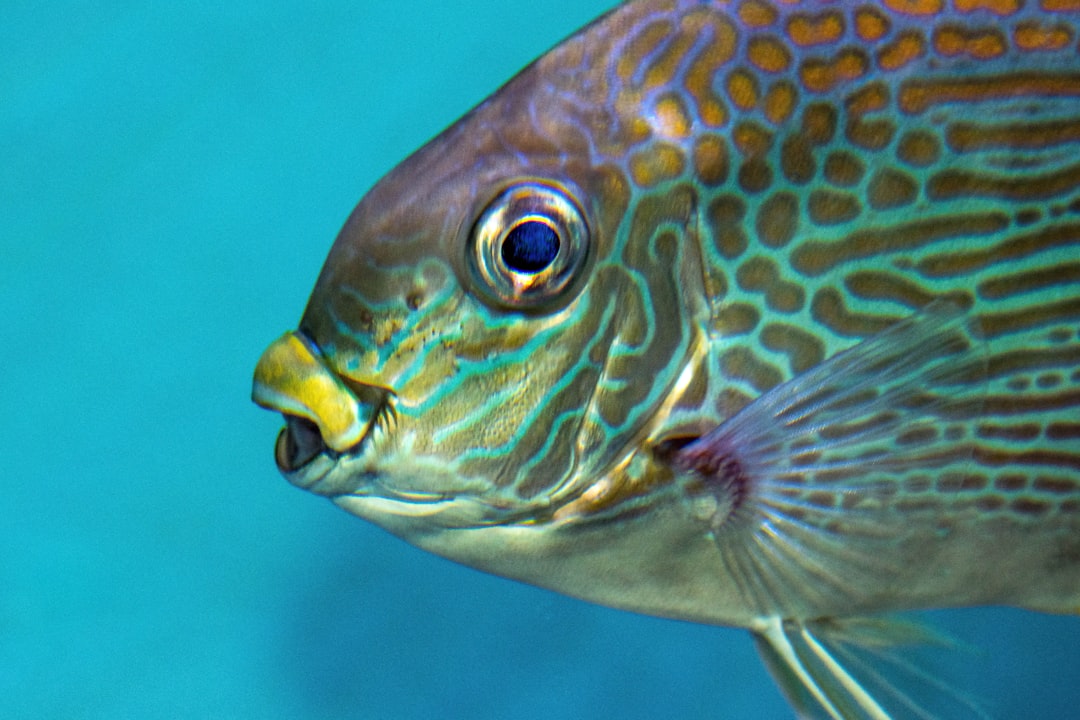
This threadfin acara care guide covers everything you need to know about one of the most elegant dwarf cichlids in the hobby. At Gensou Aquascaping, located at 5 Everton Park, Singapore, we regularly recommend the threadfin acara (Acarichthys heckelii) for aquarists seeking a peaceful cichlid with show-stopping finnage.
Species Overview and Origin
The threadfin acara hails from slow-moving rivers and tributaries across the Amazon Basin in South America. Its common name comes from the dramatically elongated dorsal and anal fin filaments that develop in mature males. Adults typically reach 15 to 20 centimetres in aquarium conditions, making them a medium-sized cichlid that commands attention without dominating a community setup. Their base colouration is a subtle silver-green with iridescent blue-green spangles across the flanks, complemented by a prominent dark lateral spot.
Tank Size and Setup
A single threadfin acara requires a minimum tank volume of 200 litres, though 300 litres or more is preferable for a pair or small group. These fish appreciate a sandy substrate, as they are natural earth-eaters that sift through the bottom material in search of food. Provide plenty of driftwood, smooth rocks and dense planting around the periphery to create sheltered zones. In Singapore’s climate, an open swimming area in the centre of the tank allows you to observe their graceful movements. Gentle to moderate water flow replicates their natural habitat.
Water Parameters
Threadfin acaras thrive in soft, slightly acidic water. Aim for a temperature range of 25 to 28 degrees Celsius, which aligns well with ambient room temperatures in Singapore. The ideal pH sits between 5.5 and 7.0, with general hardness of 2 to 10 dGH. Consistent water quality is essential, so perform weekly water changes of 25 to 30 per cent. Use a reliable test kit to monitor ammonia and nitrite, both of which must remain at zero. Nitrate levels should be kept below 20 ppm for optimal health and colouration.
Diet and Feeding
In the wild, threadfin acaras are omnivorous earth-eaters, sifting substrate for insect larvae, small crustaceans and organic matter. In captivity, offer a varied diet that includes high-quality cichlid pellets as a staple. Supplement with frozen bloodworms, brine shrimp and daphnia several times per week. Live foods such as blackworms encourage natural foraging behaviour and help condition breeding pairs. Feed small portions two to three times daily rather than one large meal, as this mimics their continuous grazing habit. Avoid overfeeding, as uneaten food will quickly foul the substrate they constantly sift through.
Temperament and Tank Mates
Despite being a cichlid, the threadfin acara is remarkably peaceful. It can be kept alongside other calm species of similar size, including larger tetras such as Congo tetras, peaceful catfish like Corydoras or bristlenose plecos, and other non-aggressive cichlids. Avoid housing them with overly boisterous or fin-nipping species, as their elongated filaments make tempting targets. In a well-planted community aquarium, threadfin acaras generally occupy the lower to middle water column and rarely bother their neighbours. Keeping them in pairs or small groups of four to six brings out their best social behaviour.
Health and Common Issues
Threadfin acaras are reasonably hardy once established, but they are sensitive to poor water quality. The most common health concerns include hole-in-the-head disease, which is often linked to inadequate diet or elevated nitrate levels. Ich can also appear if water temperatures fluctuate sharply, a risk during Singapore’s monsoon season when ambient temperatures may dip slightly. Quarantine all new fish for at least two weeks before introducing them to an established community. Maintaining pristine water conditions and a nutritious diet is the best preventive strategy.
Breeding Threadfin Acaras
Breeding threadfin acaras in captivity is achievable but requires patience. They are substrate spawners that typically dig a pit in the sand near a piece of driftwood or rock. The female deposits eggs in the pit, and both parents guard the clutch vigorously. To encourage spawning, condition the pair with live and frozen foods for several weeks and perform slightly larger water changes with cooler water to simulate the rainy season. Eggs hatch within three to four days, and the fry become free-swimming after another three to four days. Feed the fry with baby brine shrimp and microworms.
Where to Find Threadfin Acaras in Singapore
Threadfin acaras are occasionally available at specialist fish shops around Singapore, particularly those that stock South American cichlids. Due to their niche popularity, they may need to be special-ordered. Visit Gensou Aquascaping at 5 Everton Park for advice on sourcing and setting up the perfect environment for these beautiful fish. With the right care, a threadfin acara can live for eight to ten years, rewarding patient aquarists with stunning fins and gentle personality.
Related Reading



