
Mayan Cichlid Care Guide: Central America’s Colourful Survivor
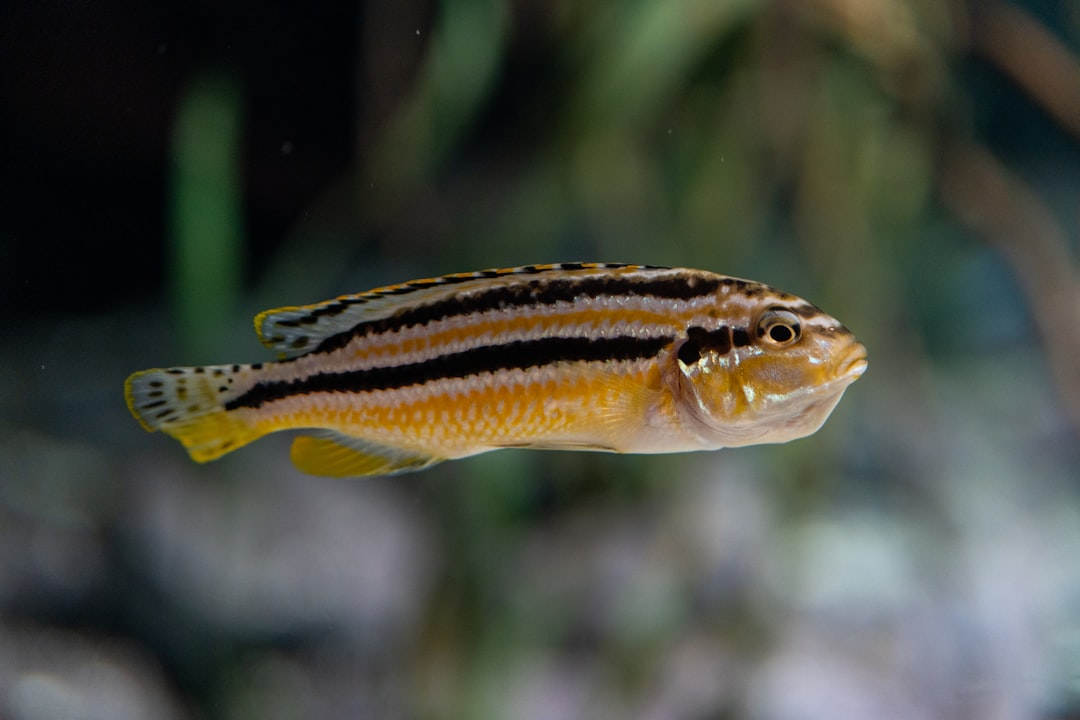
Hardy, colourful and full of personality, the Mayan Cichlid is one of Central America’s most adaptable freshwater fish. Mayaheros urophthalmus thrives in conditions that would stress many other cichlids, making it an appealing option for intermediate hobbyists seeking something distinctive. This mayan cichlid care guide from Gensou Aquascaping at 5 Everton Park, Singapore, covers the practical essentials — from tank setup to breeding — so you can keep this colourful survivor at its best.
Natural Habitat and Distribution
Originally found across Mexico, Belize and Guatemala, the Mayan Cichlid inhabits everything from clear limestone cenotes to murky coastal lagoons. It tolerates brackish water, a rare trait among cichlids that speaks to its remarkable adaptability. The species has established invasive populations in Florida’s Everglades, proof of its ability to thrive far outside its native range.
In the aquarium, this adaptability translates to a forgiving fish that handles parameter fluctuations better than most cichlids. Still, “forgiving” should never be mistaken for “indestructible.”
Appearance
Mayan Cichlids display a base colour of olive to gold, overlaid with broken turquoise bars and a prominent ocellus (eyespot) near the tail. During breeding, both sexes intensify dramatically — reds, oranges and deep blues emerge across the body. Adults reach 25–30 cm in captivity, with males slightly larger and deeper-bodied than females.
Tank Setup
Provide a minimum of 300 litres for a single specimen and 450 litres or more for a pair. Use sand or fine gravel substrate, as Mayan Cichlids are enthusiastic diggers that rearrange decor to suit their preferences. Weigh down rockwork carefully to prevent avalanches — stack against the glass rather than on top of substrate.
Hardy plants like Vallisneria or potted Anubias can survive if given a chance, though determined diggers may uproot them. Driftwood and large river stones create territorial boundaries that reduce aggression in community setups.
Water Conditions
Temperature of 24–30 °C suits this species perfectly, which aligns well with Singapore’s ambient climate. No heater is typically needed in most HDB flats. Maintain pH between 7.0 and 8.5 — slightly alkaline conditions are preferred. You may need to add crushed coral or a KH booster to Singapore’s naturally soft tap water to keep buffering capacity stable.
Weekly 30 % water changes and strong mechanical filtration handle the waste output of these messy eaters. An external canister rated for 400 litres or more keeps water clarity in check.
Feeding
Mayan Cichlids are true omnivores. Offer a staple of high-quality cichlid pellets supplemented with frozen bloodworms, chopped prawns and blanched vegetables like spinach or peas. Their natural diet includes small invertebrates and plant matter, so variety is key to vibrant colour and long-term health.
Feed juveniles twice daily, adults once. Overfeeding leads to bloat — a persistent concern with Central American cichlids. One fasting day per week keeps the digestive system functioning well.
Temperament and Companions
Moderately aggressive sums up the Mayan Cichlid’s disposition. It holds territory firmly but rarely pursues fish that retreat. Compatible tank mates include similar-sized cichlids such as Firemouths, Convicts or Severums, along with large catfish like Bristlenose or Synodontis species. Avoid small tetras or anything mouth-sized — they become expensive snacks.
During breeding, aggression escalates sharply. A bonded pair defending eggs can terrorise an entire tank. Having spare hiding spots or a divider on hand is wise.
Breeding
Mayan Cichlids are substrate spawners that form monogamous pairs. The female deposits 500–1,000 eggs on a cleaned flat surface, and both parents guard the clutch relentlessly. Eggs hatch in roughly three days at 27 °C, with fry free-swimming within a week. Feed fry crushed flake and baby brine shrimp for rapid growth.
Given the species’ prolific breeding, you may find yourself with hundreds of juveniles quickly. In Singapore, demand for Mayan Cichlids is modest — plan your breeding efforts accordingly, or be prepared to rehome via Carousell or local fish groups.
Why Consider a Mayan Cichlid?
For hobbyists who want Central American cichlid character without the extreme space demands of a Dovii or the fragility of rarer species, the Mayan Cichlid hits a satisfying middle ground. It is tough, beautiful when in breeding dress, and engaging to watch. Gensou Aquascaping can advise on suitable setups and compatible species combinations if you are planning a Central American biotope.
Related Reading



