Aquarium for YouTube and Content Creators: Filming Setup Tips
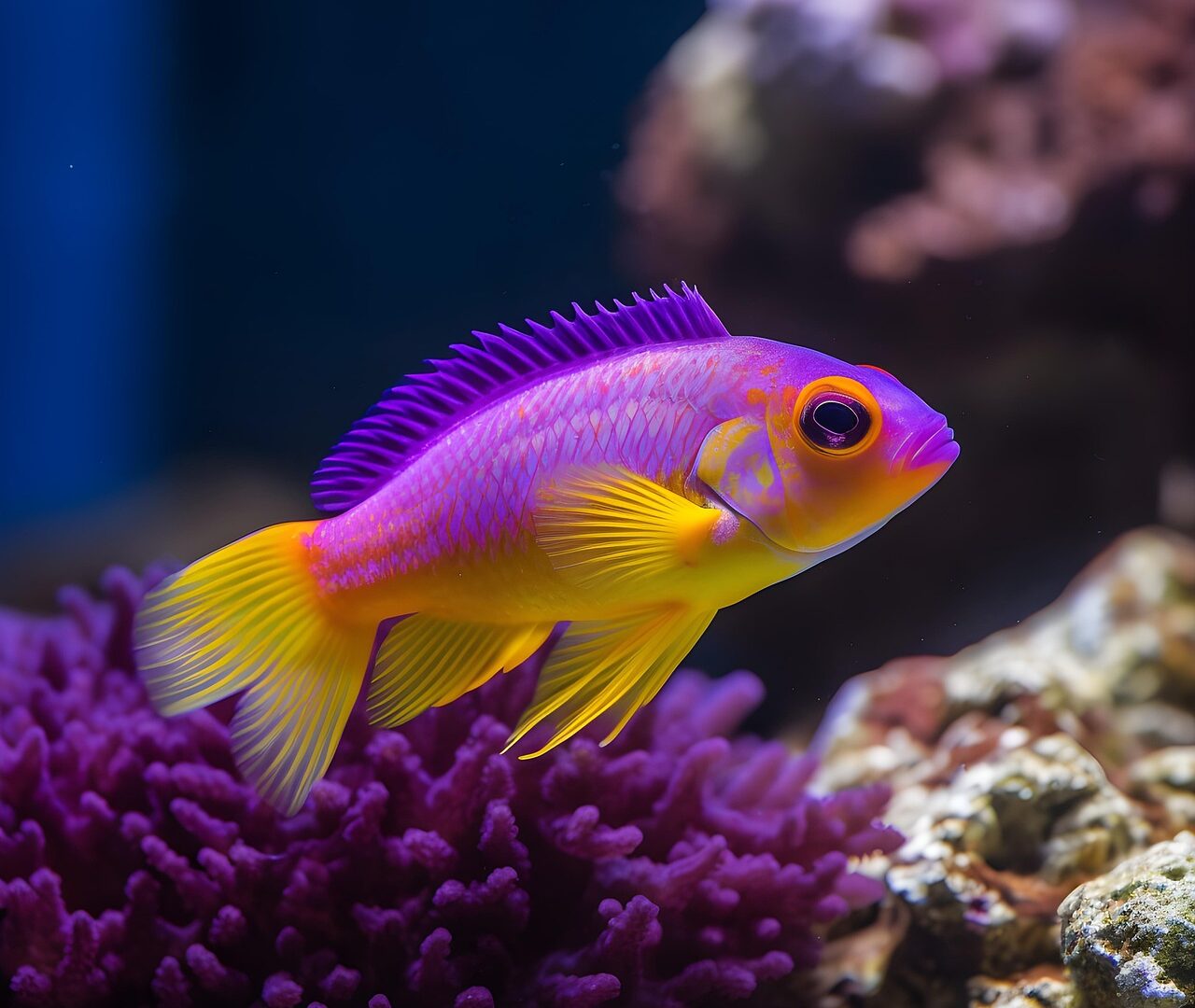
Aquarium content is booming on YouTube, TikTok and Instagram, with top channels pulling millions of views per video. This aquarium youtube content creator guide covers the practical setup decisions that separate amateur phone clips from professional-looking content. Gensou Aquascaping at 5 Everton Park, Singapore, has built display tanks specifically for filming and social media, and the principles remain consistent whether you are shooting a 60-second reel or a 30-minute documentary-style video.
Choosing a Tank for the Camera
Rimless, ultra-clear glass tanks look dramatically better on camera than standard float glass with green edges. Optiwhite or Starphire glass eliminates the colour cast that makes footage look murky. A 60 cm or 90 cm tank hits the sweet spot: large enough to create an impressive aquascape but small enough to light properly and film from multiple angles in a typical Singapore HDB room or home studio. Curved-front tanks introduce distortion on camera and should be avoided. Choose a tank with polished edges and no visible silicone seams on the front panel for the cleanest look.
Lighting for Video Versus Lighting for Plants
Most aquarium LEDs are designed for plant growth at 6,500-7,000 K, which appears slightly cool and blue on camera. For filming, a colour temperature around 5,500-6,000 K produces more natural-looking footage. Many modern LEDs like the Chihiros WRGB II or Twinstar series allow colour tuning, so you can dial in a warmer tone during shoots. Avoid RGB disco modes that look gimmicky on screen. Position a secondary light behind and slightly above the tank as a backlight to create depth and highlight floating particles, which adds a cinematic quality to underwater shots.
Eliminating Reflections and Glare
Reflections are the biggest frustration when filming aquariums. Shoot with the room lights off and only the tank light on to minimise reflections of yourself, your camera and your surroundings on the glass. A circular polarising filter on your camera lens cuts remaining reflections dramatically. If you must film with room lights, position black fabric or black foam board on either side of the tank as flags to block reflections. Painting the back panel of the tank black, either with aquarium background paint or a vinyl film, prevents the camera from picking up wall clutter behind the tank.
Camera Settings and Equipment
Shoot at a minimum of 1080p 60fps for smooth slow-motion capability. A macro lens or macro mode captures stunning close-ups of shrimp, fish eyes and plant details that audiences love. Set your white balance manually to match the tank’s LED colour temperature rather than relying on auto, which shifts unpredictably as fish move through differently lit areas. A sturdy tripod is non-negotiable for aquarium work, as even slight handheld shake is amplified when shooting through glass and water. Budget around $200-500 for a decent mirrorless camera setup or use a recent smartphone with manual video controls.
Sound and Narration Considerations
Aquarium equipment generates background noise: filter hum, air pump buzz, fan vibration. Record narration separately with a lapel or USB condenser microphone in a quiet part of the room, then sync it in post-production. If you want ambient aquarium sounds, record them intentionally with the microphone close to a gentle filter outflow for a soothing water-trickle effect. Avoid filming near the window if street noise from Singapore’s busy roads bleeds into your audio. A simple foam windscreen on your mic reduces electrical hum from nearby equipment.
Aquascaping Specifically for Content
Aquascapes designed for the camera differ from those designed purely for in-person viewing. Exaggerate depth by sloping substrate steeply from back to front, around 10-12 cm at the rear to 3-4 cm at the front in a 60 cm tank. Use smaller hardscape pieces at the back to create forced perspective. Plant foreground species with finer textures and background species with broader leaves to enhance the sense of scale. An aquarium youtube content creator setup benefits from a focal point placed on the rule-of-thirds intersection, which naturally draws the viewer’s eye in both video and thumbnails.
Content Ideas That Perform Well
Time-lapse videos of plant growth, aquascaping builds and water changes consistently perform well on YouTube and social media. Feeding videos attract casual viewers who enjoy watching fish eat. Before-and-after transformations generate high engagement and shares. Species spotlights with close-up footage and care tips establish your authority. In Singapore, local content about setting up tanks in HDB flats, shopping at Serangoon North fish shops, or dealing with our warm climate resonates strongly with the regional audience and faces less competition than generic international content.
Maintaining a Camera-Ready Tank
Schedule your filming sessions the day after a water change and glass cleaning when the tank looks its best. Keep an algae scraper handy for last-minute touch-ups before hitting record. Feed fish lightly an hour before filming so they are active but not bloated. Trim any dead or yellowing leaves the day before a shoot. Consistency matters for building an audience, so maintain your tank meticulously between uploads. A tank that always looks pristine builds credibility and trust with viewers, encouraging subscriptions and return visits to your channel.
Related Reading