
Best Substrate Caps and Cosmetic Sand for Planted Tanks
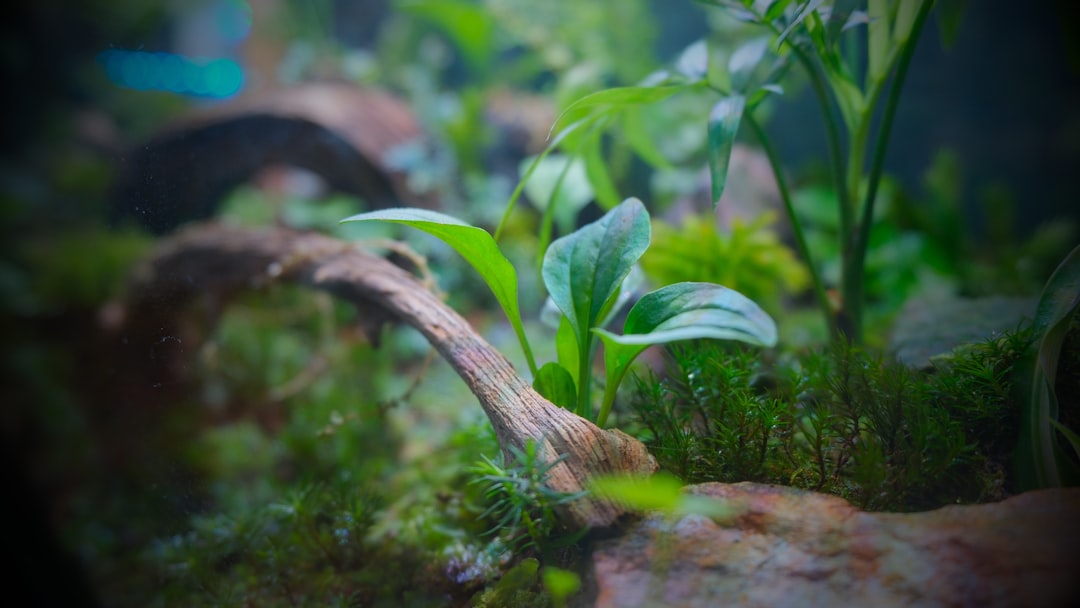
A nutrient-rich base layer powers plant growth, but it rarely looks attractive on its own. Dark aquasoil crumbling along the front glass or peeking through a carpet spoils the visual impact of an otherwise stunning layout. The best substrate cap and cosmetic sand for your aquarium hides that working layer while adding colour contrast and clean foreground lines. Gensou Aquascaping at 5 Everton Park, Singapore, uses cosmetic sand in nearly every client build, and getting the details right matters more than most hobbyists realise.
What a Substrate Cap Does
A cap is simply a thin top layer of inert sand or gravel placed over the nutrient-rich base. It prevents aquasoil from migrating into the water column during planting and water changes, reduces tannin leaching, and creates a sharp visual boundary between planted zones and open foreground areas. In competition aquascaping, a clean sand path or beach is often the defining aesthetic element. Even in casual setups, capping keeps things tidy and reduces the frequency of substrate maintenance.
Grain Size and Its Impact
Fine sand in the 0.5-1.0 mm range creates the smoothest, most natural-looking foreground. It compacts gently and holds slope shapes well. Grains below 0.5 mm can compact too tightly, creating anaerobic pockets that produce hydrogen sulphide. Coarser sand of 1.0-2.0 mm is easier to clean with a gravel vacuum but looks less refined. For most planted tanks, 0.8-1.2 mm is the sweet spot that balances aesthetics, plant root penetration, and ease of maintenance.
Popular Colour Choices
Bright white La Plata sand delivers high contrast against dark soil and green carpets. It looks dramatic but shows detritus and algae staining quickly, demanding regular maintenance. Natural beige and tan sands appear more organic and forgiving of light debris buildup. Black cosmetic sand or fine gravel blends seamlessly with dark aquasoils and suits moody, shadow-heavy layouts. In Singapore, ADA Colorado Sand, JBL Sansibar, and local-brand white silica sand are all widely available at aquascaping shops and on Shopee, typically ranging from $8-25 per kilogram depending on brand.
Layering Without Mixing
The biggest challenge with substrate caps is preventing the cosmetic layer from mixing into the nutrient base over time. Placing a thin barrier of filter wool or fine mesh between layers helps but is not essential if you cap with at least 1-2 cm of sand. Avoid using bottom-dwelling fish like corydoras in heavily capped areas, as their digging behaviour churns the layers together within weeks. Shrimp are far more cap-friendly, gently grazing the surface without disturbing it.
When setting up, pour sand carefully along the front glass first, building a wedge that tapers toward the back. This technique creates a visible clean line at the glass while using less sand overall.
Planting Through the Cap
Carpeting plants like Hemianthus callitrichoides and Eleocharis parvula root easily through fine sand into the nutrient layer below. Use aquascaping tweezers to push small portions through the cap, ensuring roots reach the soil. Stem plants with thicker bases may need a slightly wider hole cleared through the sand before insertion. Avoid disturbing large areas of cap when planting; work in small, precise pockets to maintain the clean surface.
Maintenance and Longevity
Cosmetic sand collects mulm and detritus that darkens its appearance over weeks. A gentle pass with a gravel vacuum hovering just above the surface lifts debris without sucking up the sand itself. For stubborn algae staining on white sand, remove small batches, soak in dilute hydrogen peroxide for 30 minutes, rinse, and return. In Singapore’s warm water conditions, algae colonises light-coloured sand faster than in temperate climates, so weekly surface cleaning is a realistic expectation for pristine white foregrounds.
Choosing Your Cap Material
Match the cap to your layout style. Iwagumi scapes traditionally use fine natural sand for open meadow aesthetics. Nature-style tanks with mixed planting suit beige or tan grains that complement earth-toned hardscape. Dark-themed layouts benefit from black cosmetic gravel that makes green plants pop. Whatever material you choose, ensure it is labelled aquarium-safe and pre-washed. Construction-grade sand may contain silicates, calcium, or chemical residues harmful to livestock. The best substrate cap is inert, consistently graded, and visually matched to your design intent. Visit Gensou Aquascaping for hands-on comparisons of sand types before committing to a full bag.
Related Reading



