

Madagascar Biotope Aquascape: Unique Island Endemics
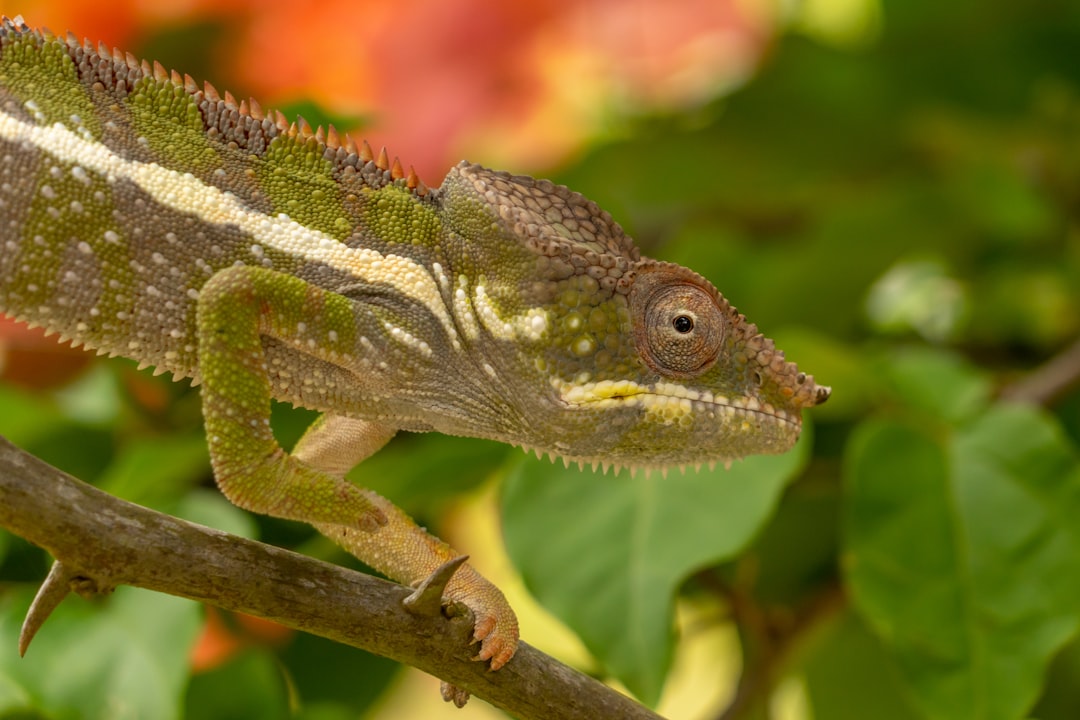
Madagascar’s freshwater habitats harbour species found nowhere else on Earth, making a Madagascar biotope aquascape one of the most distinctive tanks you can build. Isolation over millions of years produced cichlids, killifish, and aquatic plants with no close mainland relatives. This guide from Gensou Aquascaping at 5 Everton Park, Singapore, covers the species, layout principles, and water parameters needed to recreate a slice of the world’s fourth-largest island in your living room.
Why Madagascar Stands Apart
The island split from the Indian subcontinent roughly 88 million years ago, and its freshwater fauna evolved in near-total isolation. Malagasy cichlids belong to the genus Paratilapia and Ptychochromis rather than the familiar African rift lake lineages. Many of these species are critically endangered due to habitat loss and invasive tilapia. Building a biotope aquarium dedicated to Madagascar raises awareness and, for serious keepers, can contribute to captive breeding programmes for species teetering on the edge of extinction.
Choosing Endemic Fish
Paratilapia polleni, the Malagasy large-spot cichlid, is the most commonly available species in the hobby. Juveniles display striking black bodies covered in iridescent gold spots, maturing into robust fish reaching 25-28 cm. They need a tank of at least 300 litres. For smaller setups, Bedotia geayi, the Madagascar rainbowfish, reaches only 9-10 cm and schools beautifully. Pachypanchax killifish are another option, staying small and occupying the surface layer. Availability in Singapore is limited, so check specialist importers and Carousell listings from local breeders.
Aquatic Plants From the Region
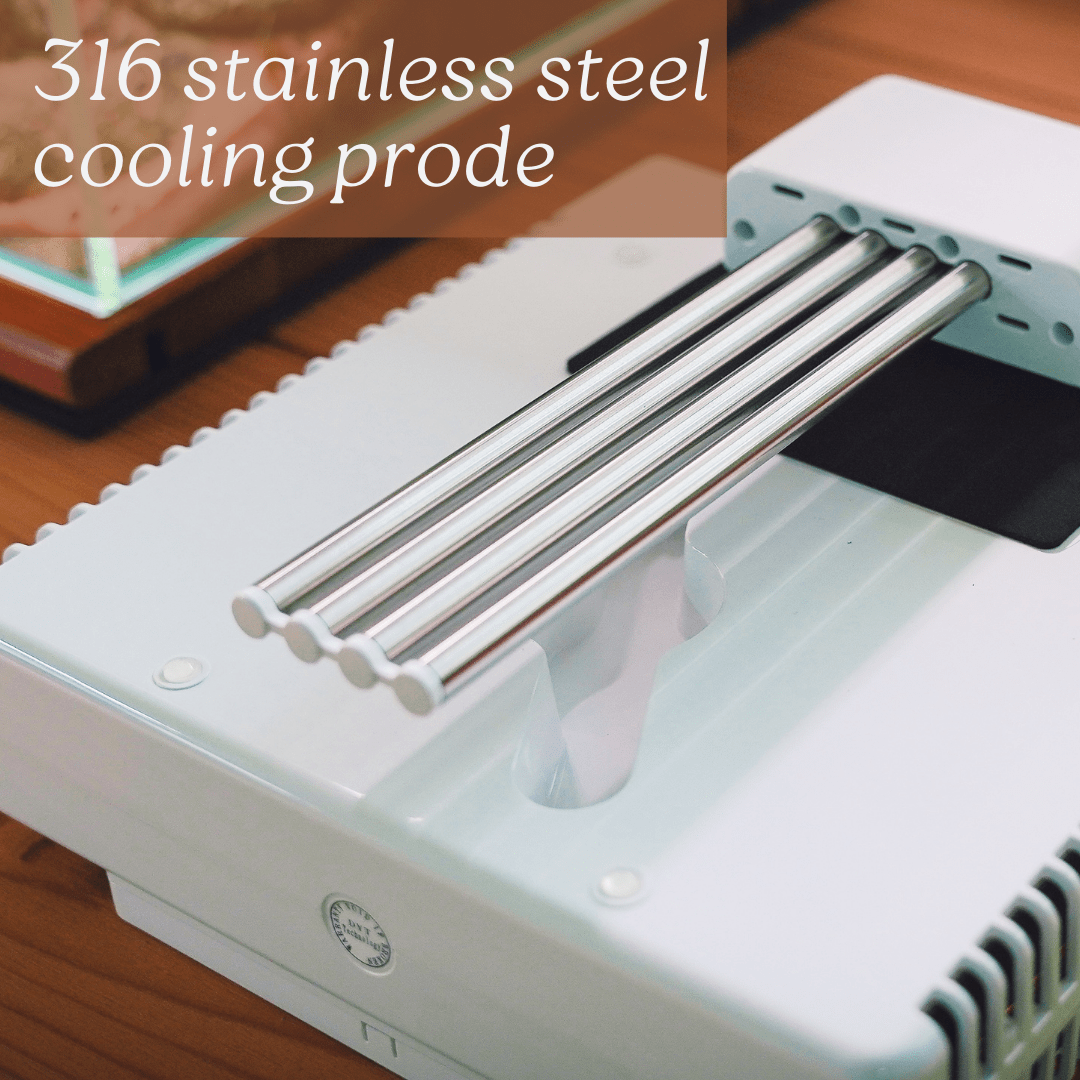
Aponogeton madagascariensis, the famous lace plant, is the signature species for this biotope. Its skeletonised leaves are instantly recognisable but notoriously demanding, preferring cooler water around 22-24 °C and moderate flow. In Singapore’s warm climate, a chiller or fan cooling the tank to at least 25 °C helps, though purists aim lower. Aponogeton boivinianus is a hardier alternative with thick, crinkled leaves that tolerates warmer conditions up to 27 °C. Both species grow from bulbs and appreciate a nutrient-rich substrate.
Hardscape and Layout
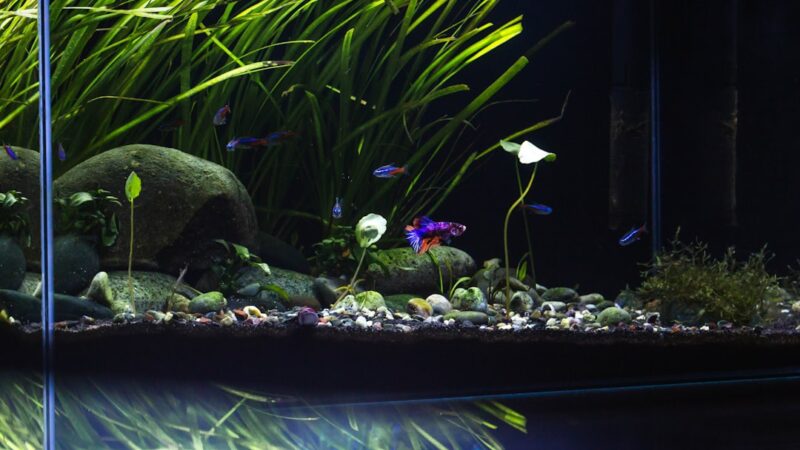
Malagasy streams often feature rounded granite boulders, sandy beds, and submerged root tangles. Use smooth river stones in grey and tan tones, arranged to create sheltered caves and open swimming lanes. Avoid sharp seiryu stone, which looks geologically out of place. Driftwood pieces with sprawling root structures mimic fallen rainforest trees along riverbanks. Keep the midground relatively open to give cichlids territorial sightlines while providing retreats among the wood and stone.
Water Parameters
Most Malagasy freshwater species come from soft to moderately hard water with a neutral to slightly alkaline pH. Aim for pH 7.0-7.5, GH 5-10, and KH 3-6. Singapore’s PUB tap water sits on the softer side at GH 2-4, so adding a small amount of mineral supplement or using calcium-bearing rock brings parameters into range. Temperature depends on the species you keep: rainbowfish and killifish tolerate 25-28 °C comfortably, while lace plants prefer the cooler end of that range.
Filtration and Flow
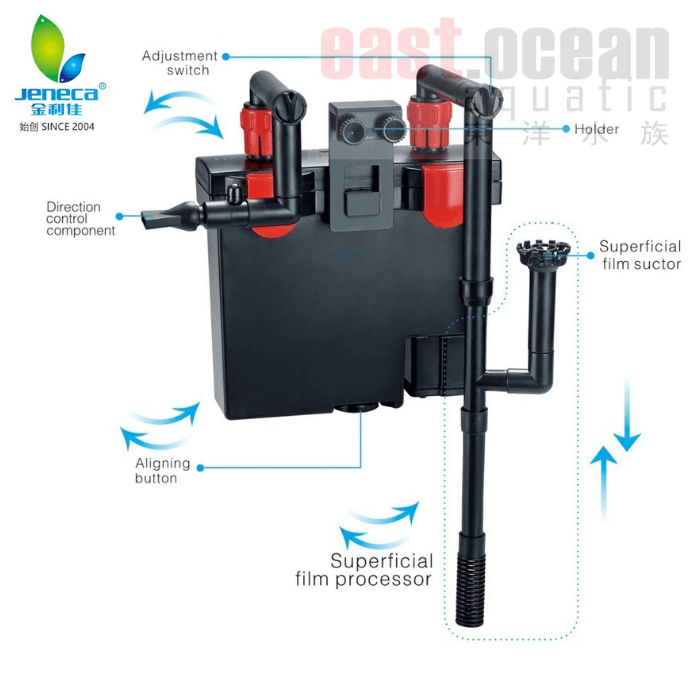
Malagasy river habitats feature moderate current. A canister filter rated for your tank volume provides adequate flow and biological filtration. Position the outlet to create a gentle linear current across the length of the tank rather than a strong single jet. Aponogeton species appreciate the water movement, which prevents debris from settling on their delicate leaves. A pre-filter sponge on the intake protects small killifish and fry from being drawn in.
Feeding and Maintenance
Malagasy cichlids are omnivorous and accept high-quality pellets, frozen bloodworm, and blanched vegetables. Rainbowfish and killifish thrive on a mix of micro pellets and live or frozen daphnia. Feed sparingly to keep water quality high, especially in biotope tanks where you may be running minimal mechanical filtration to preserve a natural aesthetic. Weekly water changes of 20-30 % maintain stability without shocking sensitive species.
Bringing It All Together
A Madagascar biotope aquascape is a conversation-starting tank that few hobbyists attempt, precisely because the species are uncommon and the layout departs from mainstream styles. The reward is a genuinely unique display showcasing evolutionary isolation and natural beauty. Source your fish patiently, build the hardscape with smooth, rounded materials, and let Aponogeton foliage provide the living centrepiece. Gensou Aquascaping can advise on sourcing endemic species and designing layouts that honour this extraordinary island’s freshwater heritage.
Related Reading