Aquascaping With Hygrophila Only: Bulletproof Green Walls
Sometimes the simplest approach produces the most impressive results. Restricting a planted tank to a single genus forces you to work with texture, growth habit, and colour variation rather than relying on species diversity. An aquascape using Hygrophila only delivers a lush, resilient layout that forgives beginner mistakes while offering enough variety to keep experienced hobbyists engaged. Gensou Aquascaping at 5 Everton Park, Singapore, has built several Hygrophila-focused displays, and this guide shares what works.
Why Hygrophila Works as a Solo Genus
The Hygrophila genus includes species ranging from compact ground-huggers to towering background stems, all sharing a reputation for toughness. They grow in low to high light, tolerate a wide pH range, and adapt to both soft Singapore tap water and harder remineralised setups. Few genera offer this breadth of form within a single taxonomic group. Building a tank around one genus also simplifies fertilisation and CO2 requirements, since all inhabitants share similar nutritional needs.
Species Selection for Contrast
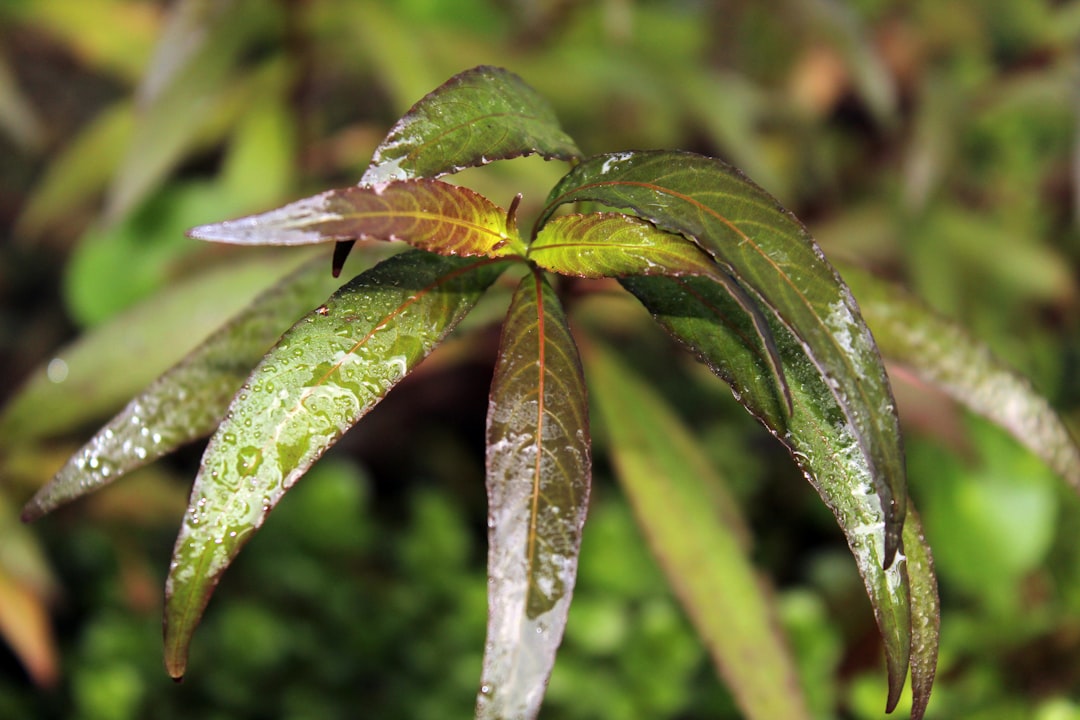
Hygrophila pinnatifida anchors the midground with its deeply lobed bronze leaves that attach to wood and stone. Hygrophila polysperma ‘Rosanervig’ provides pink-veined foliage as a colour accent, growing quickly in moderate light. Hygrophila corymbosa ‘Siamensis’ serves as a robust background plant, reaching 30-40 cm with broad green leaves. For the foreground, Hygrophila lancea ‘Araguaia’ stays compact at 10-15 cm, producing narrow reddish leaves that contrast beautifully with its larger cousins. Even within a single-genus tank, the visual variety is striking.
Layout Principles
Arrange species by mature height: shorter varieties at the front, tall growers at the back. Create a gentle upward slope using substrate depth, adding 3-4 cm at the front and 8-10 cm at the rear. Place H. pinnatifida on midground driftwood or stones to break the horizontal plane and add vertical interest. Leave open swimming channels between plant groupings. A Hygrophila-only tank risks looking like an undifferentiated wall of green without deliberate spacing and height transitions.
Light and CO2 Requirements
Most Hygrophila species grow well under moderate lighting of 40-60 lumens per litre. Higher light intensifies red and pink tones in H. polysperma ‘Rosanervig’ and H. lancea ‘Araguaia’ but also accelerates growth, demanding more frequent trimming. CO2 injection is not strictly necessary for a Hygrophila tank, though supplementing at 1-2 bubbles per second in a 60 cm tank noticeably improves growth density and colour saturation. Without CO2, expect slower but still healthy growth that suits a low-maintenance approach.
Fertilisation Strategy
Hygrophila species are moderate to heavy nutrient consumers, particularly of nitrogen and potassium. A comprehensive liquid fertiliser dosed 2-3 times per week covers macro and micro needs. Root tabs benefit H. corymbosa and other large-rooted species planted in inert substrates. If you notice older leaves yellowing while new growth stays green, increase nitrogen dosing. Pale new leaves with green veins suggest iron deficiency, easily corrected with a dedicated iron supplement. In Singapore’s soft water, potassium depletion is common and shows as pinholes in older leaves.
Trimming and Propagation
Stem Hygrophila species grow relentlessly and need regular trimming to maintain shape. Cut stems halfway down and replant the tops for denser growth. After two or three rounds of trim-and-replant, the lower portions become woody and bare. At that point, uproot the old stems and replace them with fresh cuttings. H. pinnatifida propagates differently, sending runners along wood and substrate surfaces. Trim these runners and reattach them to new positions to fill gaps. A sharp pair of curved aquascaping scissors makes weekly maintenance quick and precise.
Fish That Complement the Look
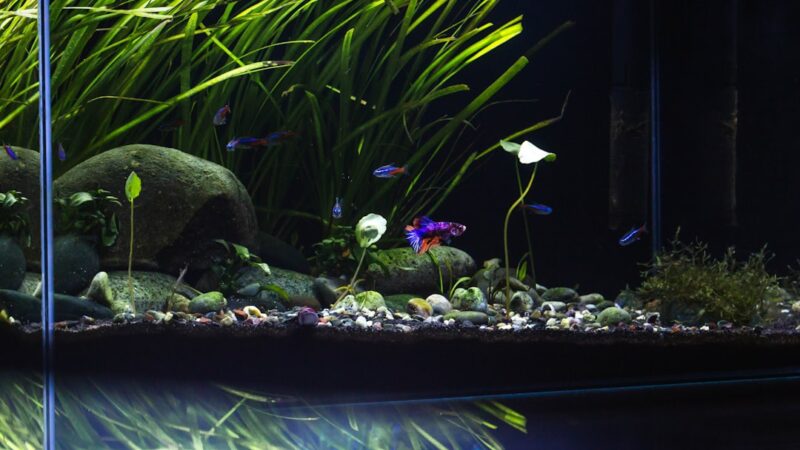
A single-genus plant tank benefits from fish that add movement without overwhelming the botanical focus. Small schooling species like ember tetras, chilli rasboras, or celestial pearl danios provide colour contrast against the green backdrop. Otocinclus catfish and Caridina multidentata shrimp keep leaves clean of algae. Avoid large or boisterous fish that uproot stems during feeding frenzies. The fish should complement, not compete with, the Hygrophila display.
Achieving the Green Wall Effect
With consistent light, regular fertilisation, and disciplined trimming, a Hygrophila-only tank develops into a dense, vibrant green wall punctuated by bronze and pink highlights. The aquascape Hygrophila only approach proves that plant diversity is not essential for visual impact. What matters is understanding how each species grows and placing it where its form contributes to the whole. Gensou Aquascaping is happy to supply healthy Hygrophila tissue cultures and advise on layout design for your single-genus project.
Related Reading