Aquascaping With Java Fern Varieties Only: Windelov, Trident and Narrow
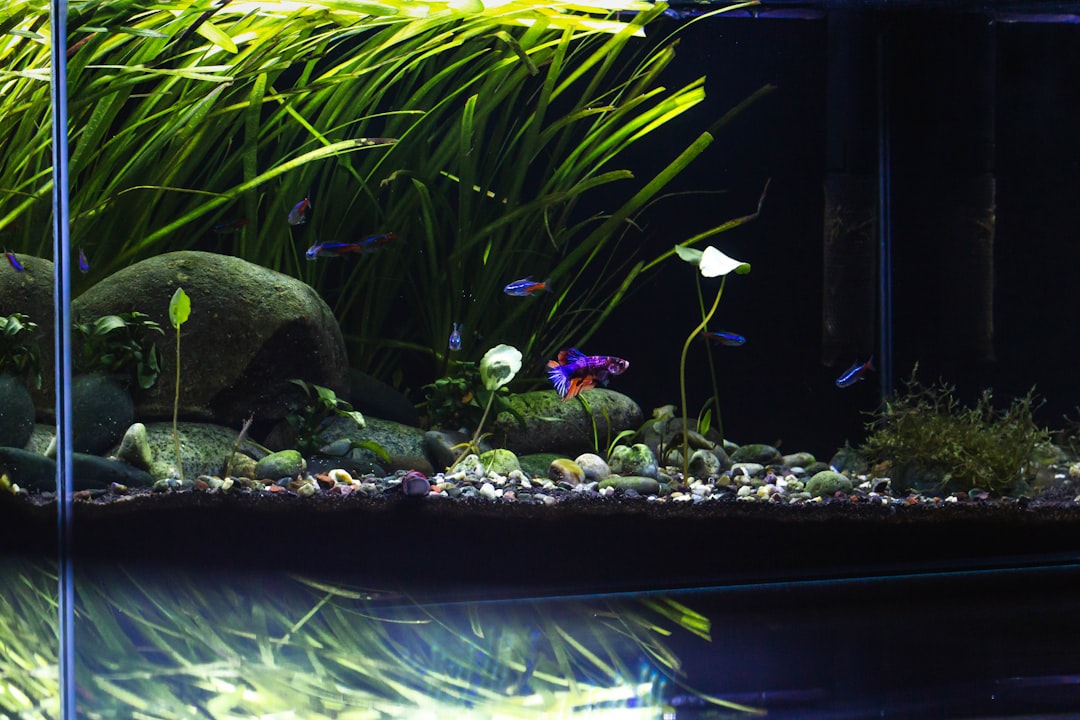
Java fern is often the first plant a beginner buys — and sometimes the last one an advanced aquascaper needs. With over a dozen cultivated varieties ranging from delicate needle-like leaves to broad, branching fronds, you can aquascape with java fern varieties only and produce a lush, textured layout that rivals multi-species designs. Gensou Aquascaping at 5 Everton Park, Singapore, has built several client displays using nothing but Microsorum pteropus forms, and the results consistently impress visitors who assume dozens of species are involved.
Why a Java Fern-Only Scape Works
Variety in leaf shape, size, texture and growth habit creates visual complexity without the headache of managing species with conflicting requirements. Every java fern variety shares the same care profile: low to moderate light, no CO2 injection needed, epiphytic attachment to hardscape, and tolerance of a wide pH and temperature range. This uniformity means you spend time on design rather than troubleshooting — no plant is outcompeting or starving another. Maintenance drops to occasional trimming and removing old leaves.
Key Varieties and Their Roles
Microsorum pteropus ‘Windelov’ produces forked, antler-like leaf tips that create a soft, feathery texture. Use it as a mid-ground focal point or attach it to the upper portions of driftwood where its cascading fronds catch the light. ‘Trident’ has narrow, deeply lobed leaves resembling a pitchfork — it stays compact and works beautifully in the foreground or on small stones. ‘Narrow Leaf’ grows tall, slender blades that sway gently in current, making it ideal for background placement.
Standard java fern, with its broad, lance-shaped leaves, serves as the workhorse — a dense backdrop that fills space generously. ‘Needle Leaf’ is the most delicate variety, with grass-thin fronds that add fine texture when grouped tightly on a rock.
Hardscape as the Foundation
Since java ferns attach to surfaces rather than rooting in substrate, your hardscape does double duty as both the structural framework and the planting medium. Choose branching driftwood (spiderwood or Malaysian driftwood) with plenty of attachment points. Supplement with textured rocks — dragon stone or lava rock — that provide crevices for rhizome attachment. The substrate beneath can be simple sand or fine gravel, kept shallow since no plants root into it.
Attachment Methods
Superglue gel (cyanoacrylate) is the fastest method — apply a small bead to the rhizome and press it firmly against wood or stone for 30 seconds. The glue cures on contact with water and is fish-safe once set. Cotton thread biodegrades in 4-6 weeks, by which time the fern has gripped the surface naturally. Fishing line is more durable but visible. For a clean look, tuck rhizomes into crevices and let them self-attach over time — java fern is remarkably tenacious once established.
Never bury the rhizome under substrate. This is the single most common mistake and leads to rot.
Layout Design Principles
Treat each variety like a different species when composing your layout. Place ‘Narrow Leaf’ at the back for height, standard java fern in the mid-ground for volume, ‘Windelov’ at transition points for textural contrast, and ‘Trident’ or ‘Needle Leaf’ in the foreground for fine detail. Create depth by leaving open substrate paths between plant groupings — these negative-space channels draw the eye inward and prevent the scape from looking like an undifferentiated green wall.
Lighting and Fertilisation
Java ferns thrive under 20-40 lumens per litre — moderate by planted tank standards. Excessive light triggers black spot algae on the leaves, a common issue in Singapore where hobbyists sometimes overlight their tanks. No CO2 injection is needed, though a gentle supply accelerates growth. Dose a liquid all-in-one fertiliser (Tropica Premium, APT Complete or similar) at half the recommended rate once weekly. Java ferns are slow growers and light feeders — overdosing invites algae rather than faster growth.
Propagation Within the Scape
Java fern propagates by producing adventitious plantlets on mature leaves — tiny ferns that sprout directly from the leaf surface. Once a plantlet develops 3-4 leaves and visible roots, detach it and glue it to a new spot in your layout. This self-propagating habit means your java fern varieties scape fills in naturally over months. You can direct this growth by relocating plantlets strategically, gradually building density exactly where you want it.
Long-Term Maintenance
Remove yellowing or spotted leaves by cutting them at the rhizome with sharp scissors. Thin overcrowded areas every 2-3 months to maintain light access to inner growth. Scrub any algae off hardscape surfaces during water changes. A well-maintained java fern scape can run for years with minimal replanting — the plants are incredibly long-lived and resilient. For Singapore hobbyists seeking a low-effort, high-impact planted tank, this single-genus approach is hard to beat.
Related Reading
- Aquascaping With Cryptocoryne Wendtii Varieties: Green, Brown and Red
- Aquascaping With Eleocharis Varieties: Hairgrass Collection Tank
- Aquascaping With Microsorum Varieties: Java Fern Collection Tank
- Aquascaping With Moss Varieties Only: Flame, Weeping and Christmas
- Aquascaping With Rotala Varieties Only: Colour Gradient Tank